
- June 3, 2025
- Posted by: feinuojixie
- Category: Run Flat Guide
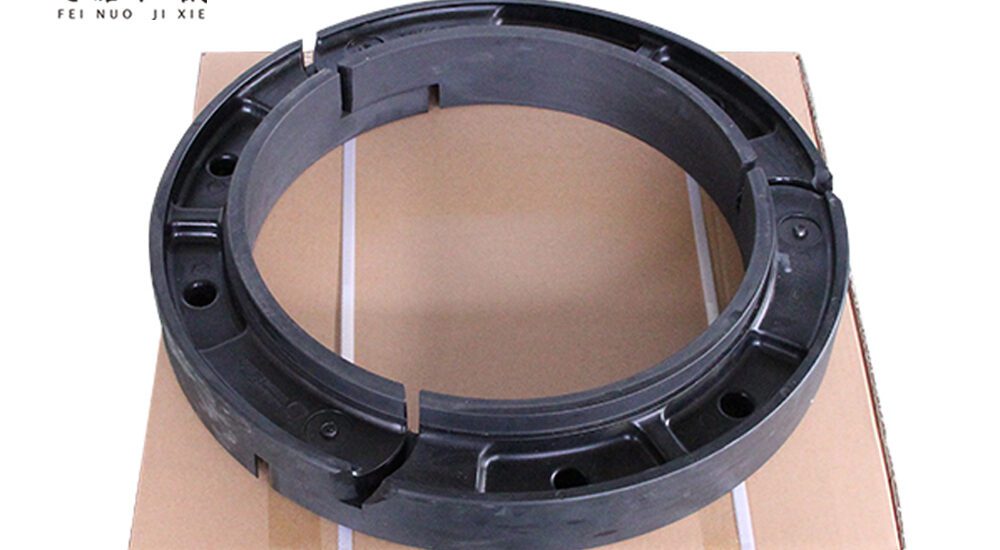
In recent years, sports facility design has undergone a major transformation driven by the growing awareness of athlete safety and performance optimization. Whether it’s a high-intensity basketball game or a rigorous training session in a fitness studio, the quality of the flooring system plays a crucial role in ensuring both performance efficiency and physical protection. Traditional shock-absorbing systems, while functional, often fall short in providing consistent energy return and long-term durability under repetitive impact.
This is where run flat insert technology is reshaping the future. By introducing a smarter and more resilient approach to impact management, run flat insert components are quickly becoming the gold standard in high-performance sports flooring. Their ability to maintain structural integrity while offering superior shock absorption opens up new possibilities for facility designers and athletes alike. As demand grows for flooring that supports dynamic movement and minimizes injury risk, the era of run flat insert innovation is just beginning.
What Is Run Flat Insert Technology?
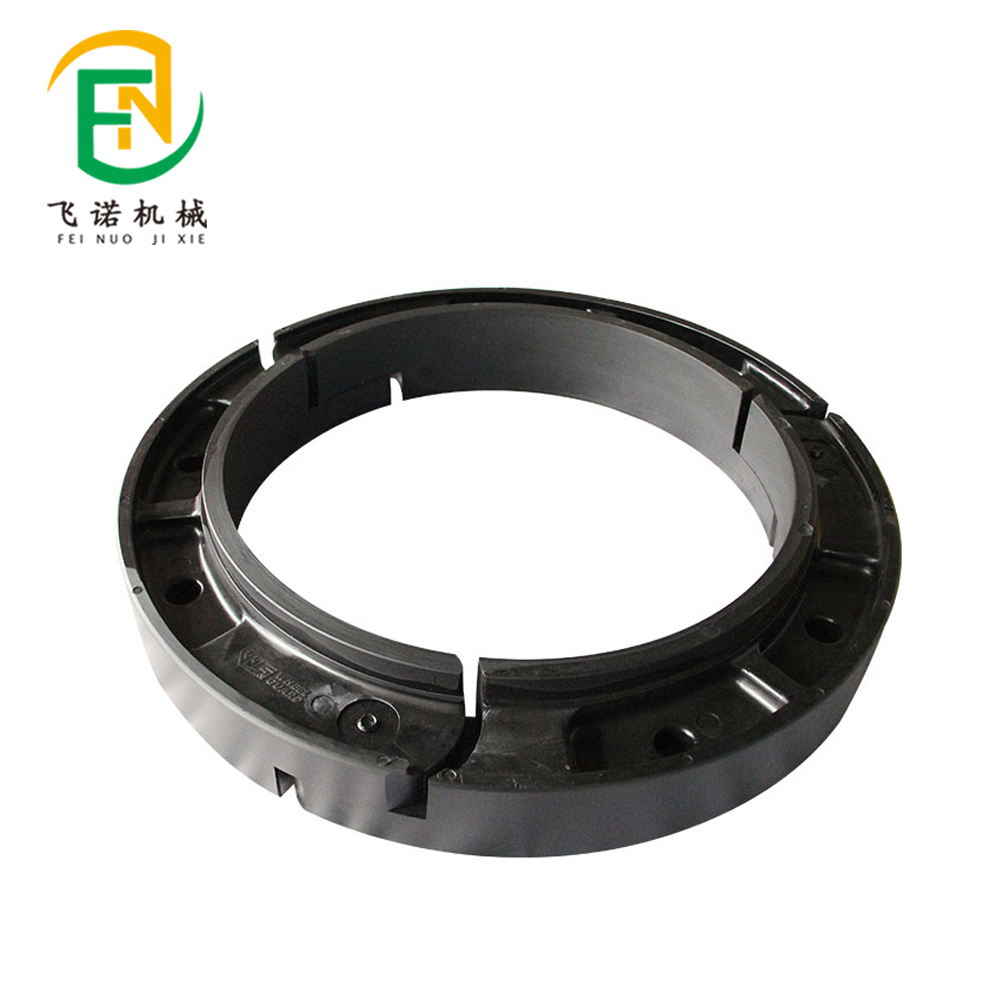
Run flat insert technology refers to a specialized shock-absorbing mechanism embedded within sports flooring systems to enhance energy absorption and reduce impact force. Unlike conventional foam or rubber pads, a run flat insert is typically composed of engineered elastomers or hybrid composites designed to maintain functionality even under extreme pressure or deformation.
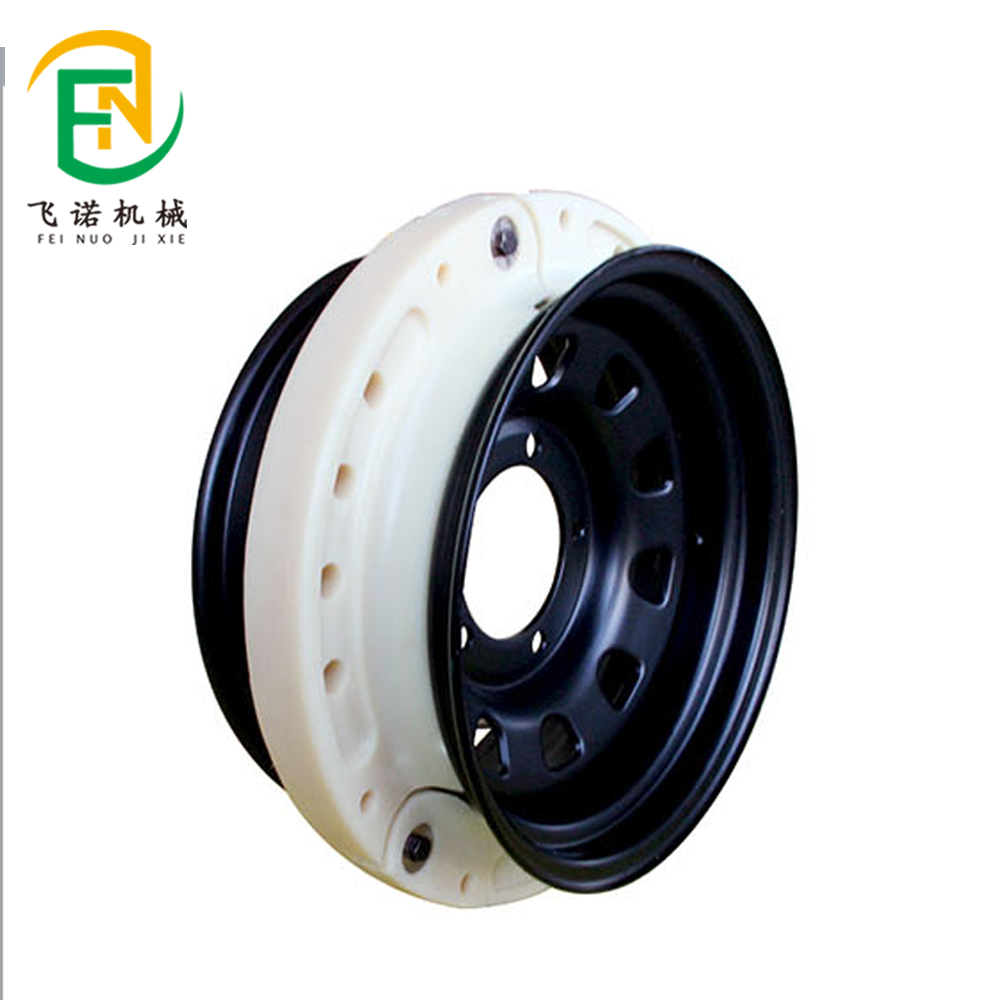
What makes this technology unique is its capacity to return to its original shape after compression without losing effectiveness over time. Its name derives from the automotive “run-flat” tire concept—built to keep working under stress—which is now repurposed to serve the needs of modern athletic environments.
Why Shock Absorption Matters in Sports Flooring
Athletes frequently subject their joints and muscles to repeated stress during training and gameplay. Without effective shock absorption, the flooring system becomes a contributor to overuse injuries, joint fatigue, and even career-threatening accidents. When flooring doesn’t respond correctly to force, it compromises biomechanics and performance.
Run flat insert offers a consistent level of shock absorption across the entire surface, reducing stress on the knees, ankles, and hips. By protecting athletes from cumulative strain, it not only preserves health but also supports confidence in movement—an often overlooked factor in peak performance.
How Run Flat Insert Works Under Impact
The key to run flat insert effectiveness lies in its engineered response to pressure. When an athlete lands on the surface, the insert compresses to absorb kinetic energy, then rebounds to assist in energy return. Unlike materials that degrade quickly with use, a run flat insert is structured to distribute the load evenly, minimizing wear points.
Its inner lattice or modular design can be tailored to meet the demands of different sports, offering variable zones of softness and firmness. This precision allows for a flooring system that performs predictably, even after thousands of impact cycles.
Advantages of Using Run Flat Insert in Modern Gym Design
Integrating run flat insert technology into sports flooring brings a host of advantages:
-
Enhanced athlete performance: The stability and responsiveness of the surface help athletes push harder without fear of injury.
-
Injury prevention: Even during high-impact movements, the system reduces joint stress significantly.
-
Longer material lifespan: Inserts resist fatigue and retain performance properties longer than traditional shock pads.
-
Lower maintenance: Fewer breakdowns in performance mean fewer replacements and less facility downtime.
-
Versatility: Suitable for multi-use spaces like basketball courts, weight rooms, and indoor running tracks.
By prioritizing both performance and durability, run flat insert makes it possible to design gyms that meet professional standards without compromising on user safety.
Case Study: Run Flat Insert in Professional Sports Venues
A recent upgrade to an elite European basketball facility provides a compelling example. After replacing their legacy flooring with a system equipped with run flat insert, the venue reported a measurable reduction in player fatigue and lower incident rates of minor injuries.
Professional athletes noted the surface’s responsiveness and improved joint comfort during long practice sessions. Facility managers appreciated the ease of maintenance and the fact that the surface remained stable even in zones of heavy traffic. Feedback from both coaching staff and medical teams pointed to a noticeable improvement in recovery times and fewer stress-related complaints.
Comparison: Run Flat Insert vs. Traditional Shock-Absorbing Systems
Traditional shock-absorbing systems often rely on foam underlayment or rubberized tiles. While these methods do provide some degree of impact mitigation, they are prone to material fatigue and performance degradation. Over time, they harden, compress permanently, or become uneven.
In contrast, a run flat insert is built for longevity and consistent responsiveness. Performance testing has shown that surfaces integrated with run flat insert maintain up to 90% of their shock absorption capacity even after extensive use, whereas traditional options may drop below 60%.
Installation is also more modular and precise with run flat insert, reducing installation errors and simplifying future replacements.
Sustainability Benefits of Run Flat Insert Technology
Modern flooring design increasingly demands sustainability. Run flat insert meets this challenge by using recyclable polymers and low-emission manufacturing processes. Many inserts are made with thermoplastic elastomers (TPEs) that can be remolded or reprocessed after their service life.
Additionally, their long-term durability reduces the need for frequent replacements, cutting down on material waste. Facilities that adopt run flat insert technology often see improved environmental ratings and better alignment with LEED or other green building standards.
What Architects and Facility Managers Should Know
For those designing or renovating athletic spaces, understanding how to specify run flat insert systems is essential. Consider the following:
-
Assess performance needs: Choose insert types based on the intended sport—higher shock absorption for basketball, more firmness for weightlifting areas.
-
Coordinate with manufacturers: Many suppliers offer customizable insert configurations.
-
Plan for longevity: Account for the long-term savings on maintenance and injury reduction when budgeting.
-
Installation guidance: Work with trained installers to ensure the inserts are positioned correctly for optimal performance.
Including run flat insert in the planning phase ensures the flooring system will support performance and durability goals from day one.
Future Trends: How Run Flat Insert Is Shaping Sports Infrastructure
Looking ahead, run flat insert is poised to become a core element of smart sports flooring. Future systems may incorporate embedded sensors that work with the insert structure to track force loads, usage patterns, and even athlete fatigue levels in real-time.
Materials science is also pushing the envelope. Researchers are exploring biodegradable or self-healing polymers for run flat insert applications. As AI-driven training and injury prevention continue to evolve, the role of intelligent, adaptable flooring will grow—and run flat insert will be at the center of that transformation.
A Step Forward for Sports Safety and Innovation
The evolution of sports flooring reflects a broader trend in athletics—toward smarter, safer, and more resilient environments. Run flat insert technology stands at the forefront of this shift, offering a solution that meets the demands of both performance and protection.
For architects, facility owners, and athletes, the message is clear: investing in advanced flooring is no longer optional—it’s essential. And with run flat insert at the heart of modern shock-absorbing systems, the future of sports flooring has never looked more secure, or more promising.