
- June 10, 2025
- Posted by: feinuojixie
- Category: Run Flat Guide
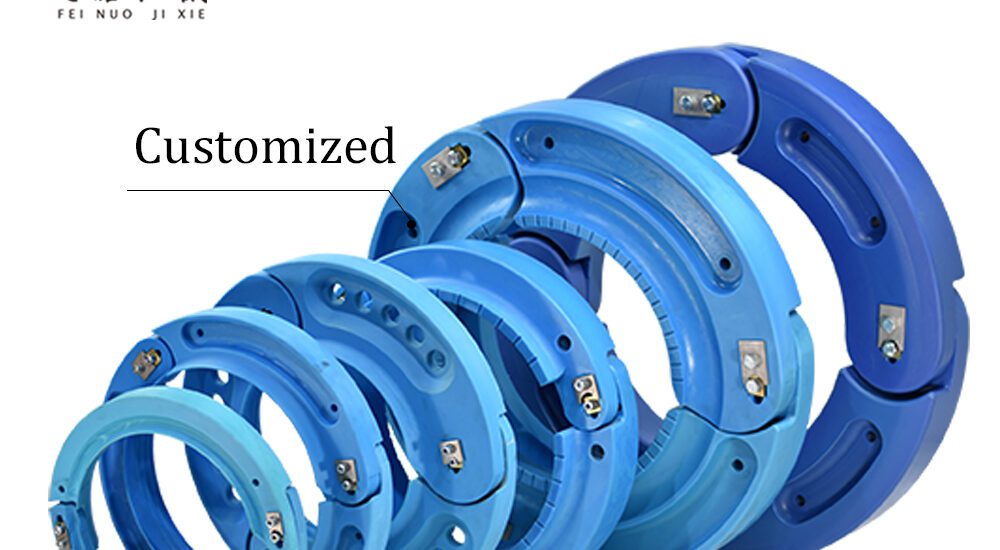
In the harsh and unpredictable world of military operations, every vehicle component must meet the highest standards of reliability, durability, and performance. Among these, one of the most mission-critical elements is the tire—often overlooked, yet fundamental to mobility and survival. A standard tire blowout in civilian life may be inconvenient. In a combat zone, it can be catastrophic. This is where run flat tire technology becomes indispensable. Designed to maintain functionality after damage, run flat tire allow military vehicles to keep moving under fire, through debris, and away from danger. Their ability to support continued mobility even after complete air loss transforms them from a convenience into a strategic asset on the battlefield.

What Is a Run Flat Tire and How It Works in Military Applications
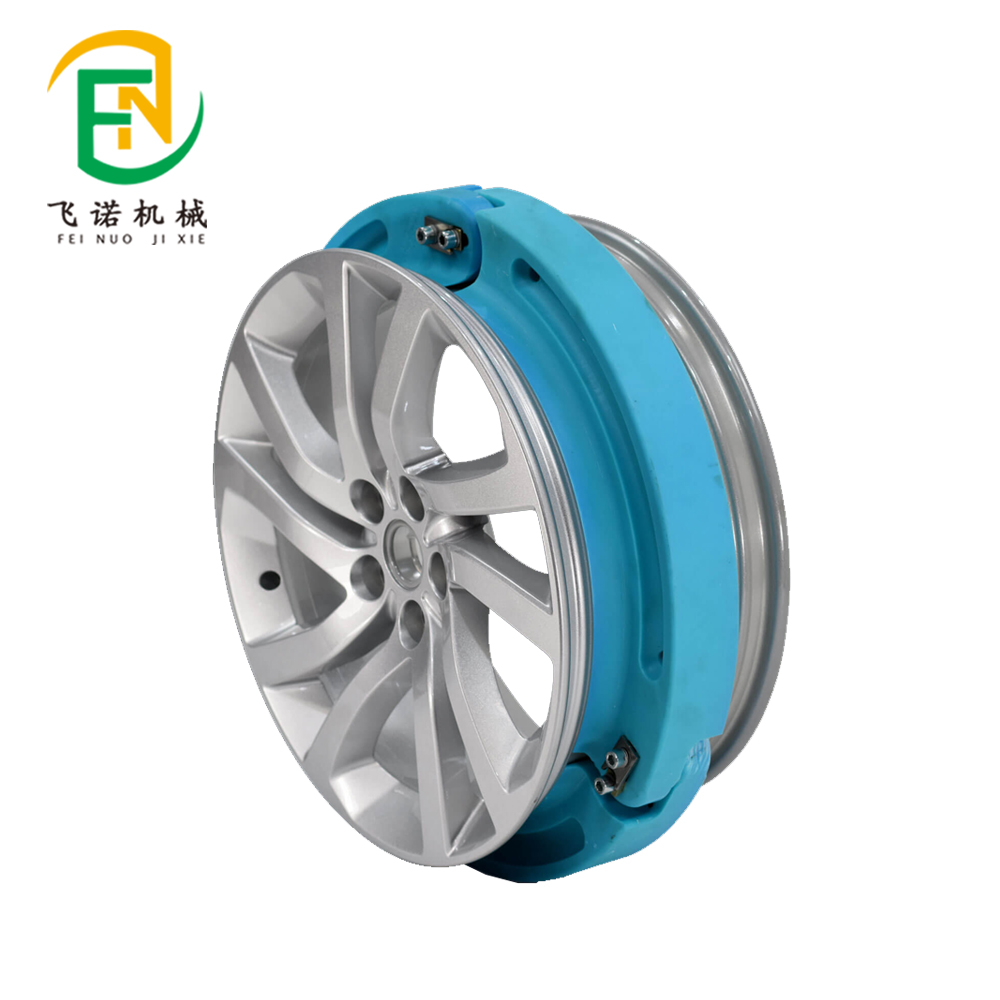
A run flat tire is specifically engineered to continue functioning even after losing air pressure due to punctures, tears, or ballistic impact. Unlike standard tires, it can support the vehicle’s weight for a limited distance—usually between 30 to 60 miles at reduced speeds—without compromising structural integrity. In military applications, run flat tire often incorporate reinforced sidewalls or internal support rings made from high-strength materials like composite polymers or rubber-coated steel. These additions allow military vehicles to escape ambush zones, reach safe locations, or complete missions without stopping for a tire change. This is particularly critical in combat, where time and safety margins are razor-thin.
Why Traditional Tire Solutions Fall Short on the Battlefield
Traditional tires, while suitable for civilian roads, are a liability in active war zones. A single puncture from shrapnel, gunfire, or roadside debris can immobilize a vehicle and expose troops to danger. On rugged or hostile terrain, these tires wear down quickly and offer minimal resistance to high-impact threats. Flat tires in combat are not just mechanical failures—they are security risks. Soldiers must exit the vehicle to repair them, making them vulnerable to enemy attacks. For this reason, conventional tires are not a viable option in military environments that demand constant movement and tactical responsiveness.
Enhanced Mobility and Safety: Core Benefits of Run Flat Tire Military Vehicles Rely On
Run flat tire significantly boost both the safety and operational capabilities of military vehicles. With their ability to continue moving even when damaged, these tires ensure that vehicles can retreat, reposition, or complete missions without delay. This extended mobility can mean the difference between life and death for personnel on board. In convoy operations, for instance, a vehicle with a damaged standard tire can halt the entire formation. With run flat tire, the convoy maintains its momentum. Additionally, the reduced need for roadside repairs enhances troop safety and allows missions to proceed with minimal interruption.
Run Flat Tire and All-Terrain Capability in Military Vehicles
Military missions often extend beyond paved roads into hostile and unpredictable terrain. From desert sands and rocky mountains to dense forests and urban rubble, the performance demands on tires are extreme. Run flat tire are specially constructed to meet these challenges. Their reinforced structures are resistant to heat, abrasions, and punctures caused by rugged landscapes. Whether transporting troops, supplies, or weapons systems, vehicles equipped with run flat tire are better prepared to handle the demands of diverse combat environments. This capability ensures uninterrupted logistical support and tactical flexibility.
Durability Under Fire: How Run Flat Tire Are Engineered for War Zones
The engineering behind run flat tire used in military vehicles is tailored for extreme resilience. These tires are built using layers of high-tensile materials that can endure ballistic threats, high-speed impacts, and prolonged operation under duress. Some versions feature bead locks to prevent the tire from dislodging from the rim, while others incorporate smart design to deflect or absorb energy from explosions. Their load-bearing capacity is also superior, enabling support for heavily armored vehicles. Every component is optimized to withstand the demands of modern warfare—from ambushes and IED blasts to long-distance deployments.
Operational Efficiency and Reduced Maintenance
Run flat tire also provide significant logistical and financial advantages. By eliminating the need for immediate tire replacement or in-field repairs, they reduce downtime and maintenance costs. Maintenance crews spend less time on tire-related issues, freeing resources for other mission-critical tasks. Moreover, fewer spare tires are needed in supply chains, reducing weight and increasing available cargo space for essentials. This efficiency improves vehicle readiness and contributes to overall mission success, especially in remote or resource-limited combat zones.
From Convoy to Combat: Real-World Use Cases of Run Flat Tire in Military Settings
The effectiveness of run flat tire is not just theoretical—it is proven in the field. During NATO missions in Afghanistan, run flat tire enabled armored personnel carriers to return safely to base after taking direct fire. In U.S. military operations across the Middle East, Humvees and MRAPs outfitted with run flat tire have crossed minefields and IED zones without becoming stranded. These real-world scenarios highlight the strategic value of run flat tire in safeguarding troops and maintaining operational momentum even in the most hostile environments.
Future Trends: How Run Flat Tire Technology Is Evolving for Military Use
As military needs evolve, so does run flat tire technology. New developments include lightweight composite materials that reduce vehicle weight while maintaining strength. Smart tire systems are also emerging, with sensors that detect air pressure, temperature, and structural damage in real time. These systems can relay data to vehicle operators or command units, allowing for proactive maintenance and decision-making. Additionally, modular run flat insert designs are being tested, allowing for quicker field replacement and better adaptability to different vehicle types and mission profiles.
Mission Readiness Starts with Run Flat Tire Dependability
In the unforgiving landscape of military operations, failure is not an option—and mobility is a mission priority. Run flat tire provide the assurance that vehicles can keep moving, troops can stay protected, and objectives can be achieved, even under fire. Their unmatched resilience, terrain adaptability, and safety advantages make them a foundational element of modern military vehicle design. As threats evolve and missions become more complex, run flat tire will remain a silent but powerful force behind mission success. Dependability begins at the ground level—and in military mobility, that means trusting in run flat tire.