
- June 27, 2025
- Posted by: feinuojixie
- Category: Injection Molding News
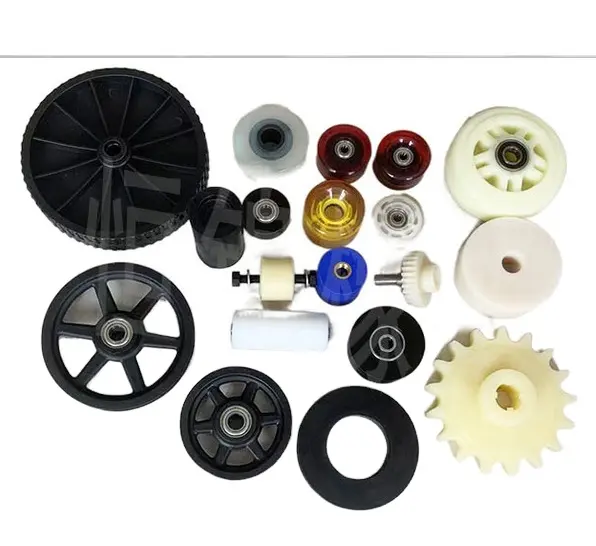
The plastic molding business is one of the most resilient and scalable sectors in modern manufacturing. From medical devices to automotive components and consumer electronics, plastic molded parts are in nearly everything we use daily. This widespread demand creates countless opportunities for newcomers to enter the industry and thrive. Whether you want to start small with contract molding or aim to build your own brand, this guide will help you understand what it takes to get started and succeed. By following each step carefully, you can turn a simple idea into a profitable and sustainable business.
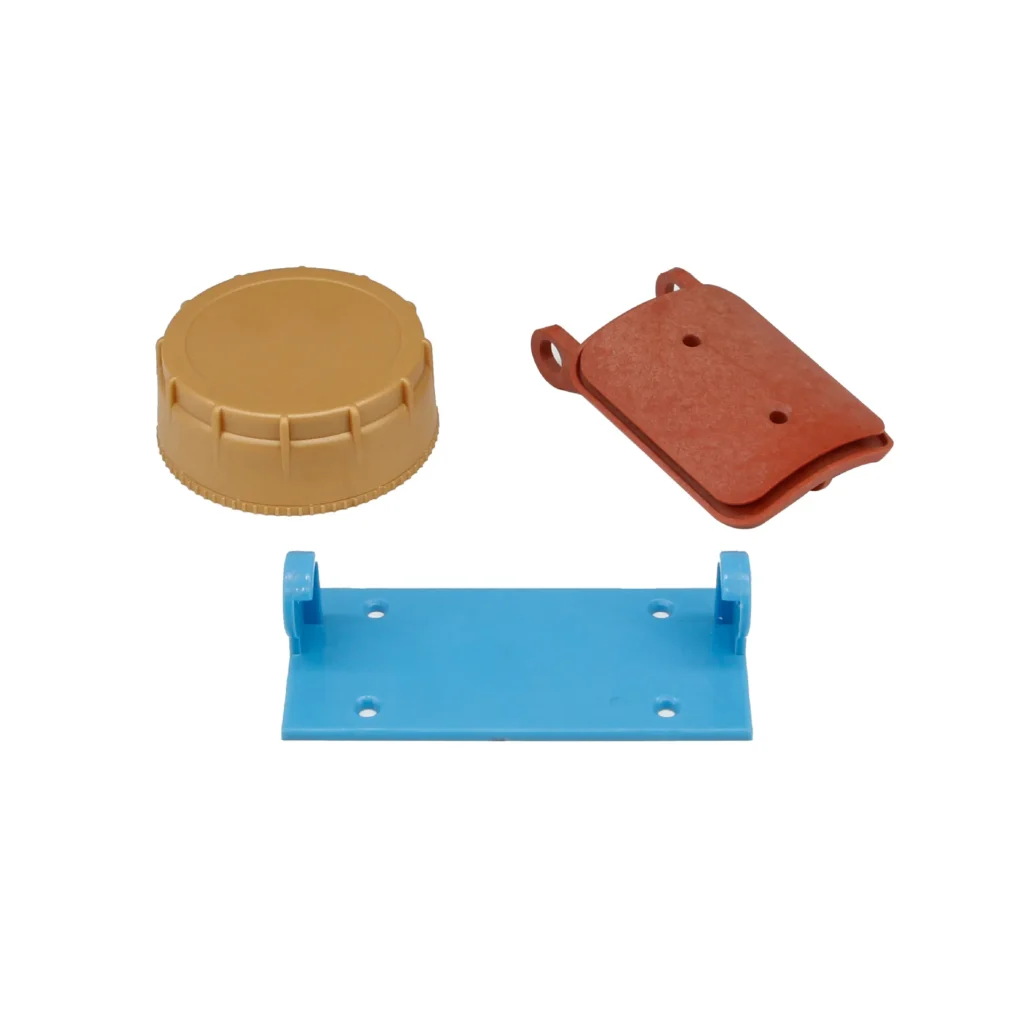
Understanding the Plastic Molding Business Landscape
Before diving into operations, it’s essential to understand what the plastic molding business entails. This field encompasses various processes like injection molding, blow molding, and compression molding—all designed to shape plastic into precise, functional components. Industries such as automotive, medical, packaging, and consumer goods heavily rely on plastic molding, making it a diverse market with stable demand. For beginners, grasping the scope of the business and the potential entry points is the first step toward carving out a profitable niche.
Researching the Plastic Molding Market
Solid research lays the foundation for any successful plastic molding business. Start by identifying what kind of plastic product you want to manufacture. Focus on a niche where demand is strong but competition is manageable—for example, custom parts for local electronics brands or packaging for health supplements. Analyze both local and international competitors to see what they offer, how they price their services, and where gaps exist. Regulatory standards, such as product safety and material compliance, should also be part of your research to avoid costly delays later.
Learning the Technical Side of Plastic Molding
You don’t need to be an engineer, but understanding the basics of plastic molding is critical. Learn about raw materials like ABS, polypropylene, or polycarbonate, and how they behave under heat and pressure. Study machine types—hydraulic, electric, and hybrid injection molding machines—and their applications. Familiarize yourself with mold design concepts, such as gating and venting, as well as factors like cycle time and shrinkage. Many technical colleges and online platforms offer short courses to build foundational knowledge quickly.
Building a Business Plan for Your Plastic Molding Business
A strong business plan serves as your roadmap. Start with a clear value proposition—what makes your business unique? Then outline your initial investment needs, including machinery, molds, workspace, and staffing. Factor in operating costs such as utilities, raw materials, and maintenance. Decide whether to register as a sole proprietorship, partnership, or corporation based on your long-term goals. Don’t forget to include a risk analysis and an outline of how you’ll handle challenges such as fluctuating material prices or machinery downtime.
Setting Up Your First Production Space
Next, decide whether to outsource production or invest in your own molding equipment. Outsourcing can reduce upfront costs, but having your own facility gives you full control over quality and production speed. For those opting to set up a workshop, ensure the space meets safety standards and has adequate power and ventilation. Your equipment layout should allow for smooth movement of materials and finished goods. Start small but leave room for scaling as orders increase.
Finding Reliable Suppliers and Partners
Your choice of suppliers can make or break your plastic molding business. Look for vendors who consistently deliver high-quality raw materials and precision molds. Develop strong relationships with mold makers, equipment suppliers, and even maintenance technicians. Don’t chase the lowest price—prioritize reliability and long-term support. Over time, these partnerships will help you stay ahead of lead times, reduce defects, and handle urgent client demands efficiently.
Marketing Your Plastic Molding Business
Marketing often gets overlooked in technical industries, but it’s vital. Start with a professional brand identity that reflects your capabilities and values. Build a simple but informative website that showcases your services, machinery, and previous work. Use social media and industry directories to expand your reach. Attending local and international trade shows can open doors to valuable business contacts. And never underestimate the power of referrals—satisfied clients are your best promoters.
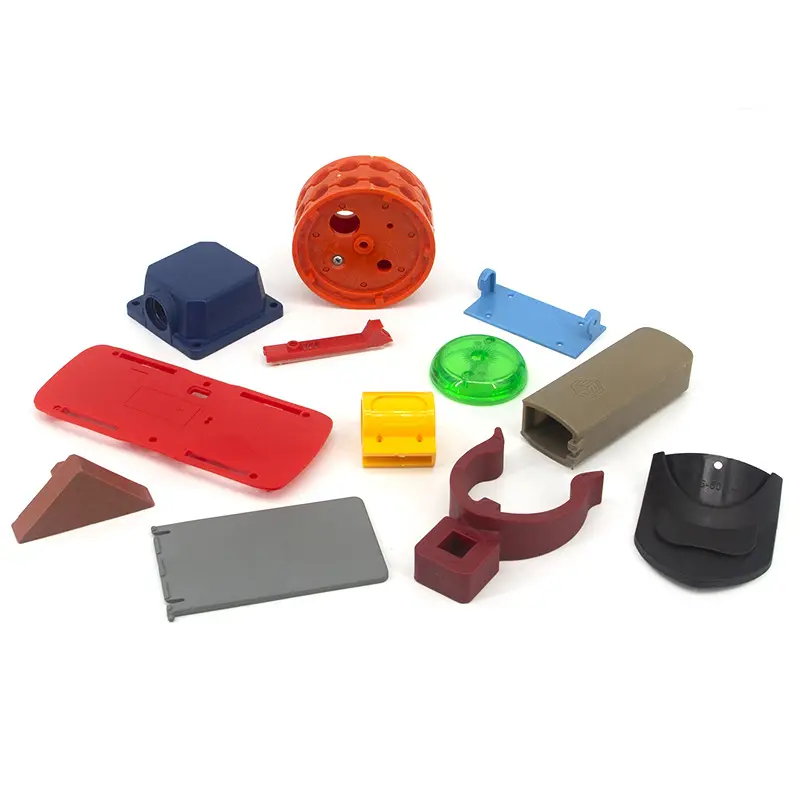
Scaling Up and Staying Competitive
Once your business is running smoothly, look for ways to scale. This could mean investing in faster or more advanced machines, hiring skilled operators, or offering new services like product design or prototyping. Implementing a robust quality control system will help maintain consistency and build trust with clients. Consider certifications like ISO or industry-specific marks to enhance credibility. Stay updated on industry trends and continuously refine your processes to stay ahead of the curve.
Your Roadmap to Success in the Plastic Molding Business
Starting a plastic molding business may seem complex, but it becomes manageable when broken into clear, actionable steps. With strong research, technical understanding, a solid business plan, and the right partnerships, you can build a thriving operation from the ground up. Success won’t come overnight, but persistence, smart investments, and continuous improvement will take you far. Now is the perfect time to enter the plastic molding business—equip yourself with the right knowledge and take the first step today.