
- July 17, 2025
- Posted by: feinuojixie
- Category: Injection Molding News
Selecting the right plastic making company is not just a matter of comparing quotes—it’s a strategic decision that can shape the success of your product and your brand. A capable partner ensures that designs are optimized for manufacturability, materials meet performance standards, and deadlines are met without compromise. Conversely, the wrong choice can lead to production delays, costly redesigns, or even product recalls. As markets become more competitive and customer expectations grow, aligning with a reliable and innovative plastic making company is essential for staying ahead. This guide will walk you through every key factor you need to consider before making that choice—empowering you to invest wisely and build lasting manufacturing partnerships.
Understanding the Role of a Plastic Making Company in Your Supply Chain
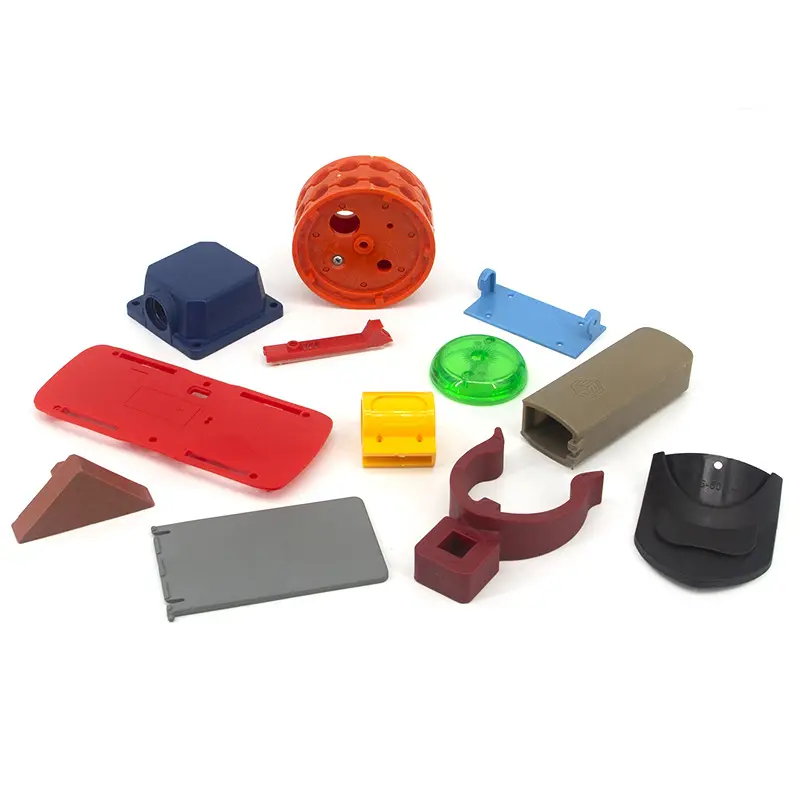
A plastic making company plays a critical role in turning raw materials into high-quality finished components. From designing custom molds and selecting the right polymer blend to executing precision molding and final assembly, these companies are integral to your product’s performance and lifecycle. Whether you’re producing consumer goods, automotive parts, or medical devices, the plastic making company acts as the bridge between engineering intent and manufacturable reality. Understanding their place in your supply chain helps you assess where they can add value—or where they might cause delays.
Key Qualities to Look for in a Plastic Making Company
When evaluating potential partners, look for a track record of success in your industry. Experience is more than a number; it means a company has faced and solved problems similar to yours. Check if they maintain ISO certifications, adhere to lean manufacturing principles, and invest in their equipment and staff. A high-quality plastic making company should have a clean, organized facility and a team that’s knowledgeable about best practices in molding, tooling, and material selection.
Evaluating Material Expertise and Technological Capabilities
Plastic parts are only as good as the materials and machines used to produce them. Your chosen plastic making company should have deep knowledge of thermoplastics, elastomers, and engineering-grade polymers. More importantly, they should understand how those materials behave during processing. Equally vital is their equipment—are they using modern, automated injection molding machines? Do they offer value-added technologies like overmolding, insert molding, or two-shot molding? Technological capability often translates to better consistency, shorter cycle times, and fewer defects.
How to Assess Quality Assurance and Regulatory Compliance
Consistency and compliance are non-negotiable in industries like medical, aerospace, and electronics. A reliable plastic making company should have robust quality control procedures in place, including in-process inspections, statistical process control, and documented traceability. Request to see quality certifications and ask how they handle out-of-spec parts. Do they offer first article inspection reports? Can they meet FDA, UL, or RoHS compliance standards when needed? Quality systems ensure your products perform to spec, every time.
Customization and Design Support: Going Beyond Basic Manufacturing
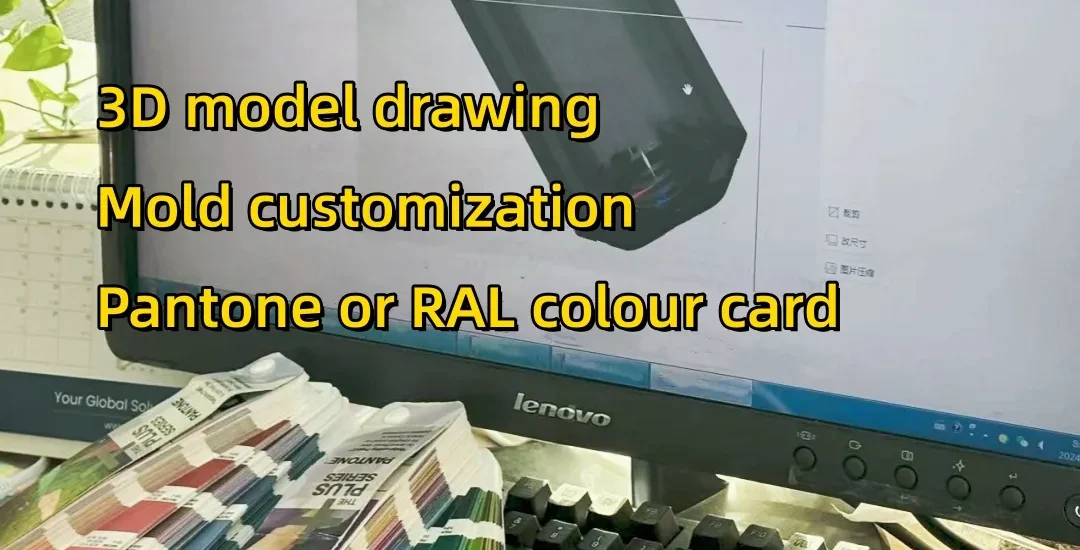
Not all plastic making companies offer in-house design expertise—but those that do often deliver better outcomes. Look for partners who can review your CAD files and offer feedback on design for manufacturability. They should be able to assist with mold flow analysis, wall thickness optimization, and minimizing undercuts or draft angles. Some even offer rapid prototyping, which allows you to test and refine parts before investing in full-scale molds. This kind of support reduces your risk and speeds up your path to market.
Scalability and Production Capacity: Planning for Growth
You may start with a few hundred parts per month, but what happens when demand increases? A forward-thinking plastic making company should be able to scale with you. Ask about their press sizes, available tonnage range, and how they handle production scheduling. Can they accommodate both pilot runs and high-volume orders? Do they maintain spare capacity for urgent requests? A partner who can grow with your business ensures smooth scaling without sacrificing lead time or quality.
Cost Transparency and Pricing Structures
Price is always a factor, but hidden fees and unclear quotes can lead to frustration. A trustworthy plastic making company will provide a detailed breakdown of costs—including mold fabrication, setup, cycle time, material usage, and secondary operations. Be cautious of companies that quote extremely low prices upfront without explaining long-term commitments or maintenance fees. A transparent pricing model lets you make informed comparisons and avoid budget surprises down the line.
Communication, Customer Service, and Long-Term Partnership Potential
Strong communication is the foundation of any successful partnership. Your plastic making company should be responsive, proactive, and easy to work with. Do they provide a dedicated project manager? Can you reach someone quickly if issues arise? Beyond project execution, a good partner invests in your success, offering suggestions for cost savings, performance improvements, and product innovation. A strong relationship leads to better outcomes and fewer headaches over time.
Red Flags: When to Walk Away from a Plastic Making Company
Even if a company looks good on paper, there are warning signs you shouldn’t ignore. Watch out for poor documentation, slow response times, outdated equipment, or vague answers during technical discussions. If a plastic making company is unwilling to provide references, quality records, or facility tours, proceed with caution. Negative online reviews or unresolved complaints with previous clients should also raise concerns. Your partner should inspire confidence—not uncertainty.
Making an Informed and Confident Decision
Choosing a plastic making company is a critical step in your product journey. By understanding their role, evaluating their strengths, and recognizing red flags, you can make a decision that supports your project goals and long-term success. Take your time, ask the right questions, and look for a company that aligns with your values, timeline, and technical needs. The right partner doesn’t just make plastic parts—they help build the future of your business.