
- July 18, 2025
- Posted by: feinuojixie
- Category: Injection Molding News

In the sprawling world of global production, it’s often the smallest components that do the heaviest lifting. Behind the sleek contours of a smartphone, the smooth movement of a car seat, or the life-saving precision of a medical device lies a silent contributor—the plastic making company. These companies are the invisible backbone of manufacturing, supplying millions of intricate plastic parts that hold complex systems together. While often overlooked due to their size, these components are critical to product functionality, durability, and cost-effectiveness. With industries demanding speed, accuracy, and innovation, a plastic making company must continually push technological boundaries to remain competitive. The global economy runs, in part, on these humble yet powerful pieces—and the companies that produce them play a far bigger role than most realize.
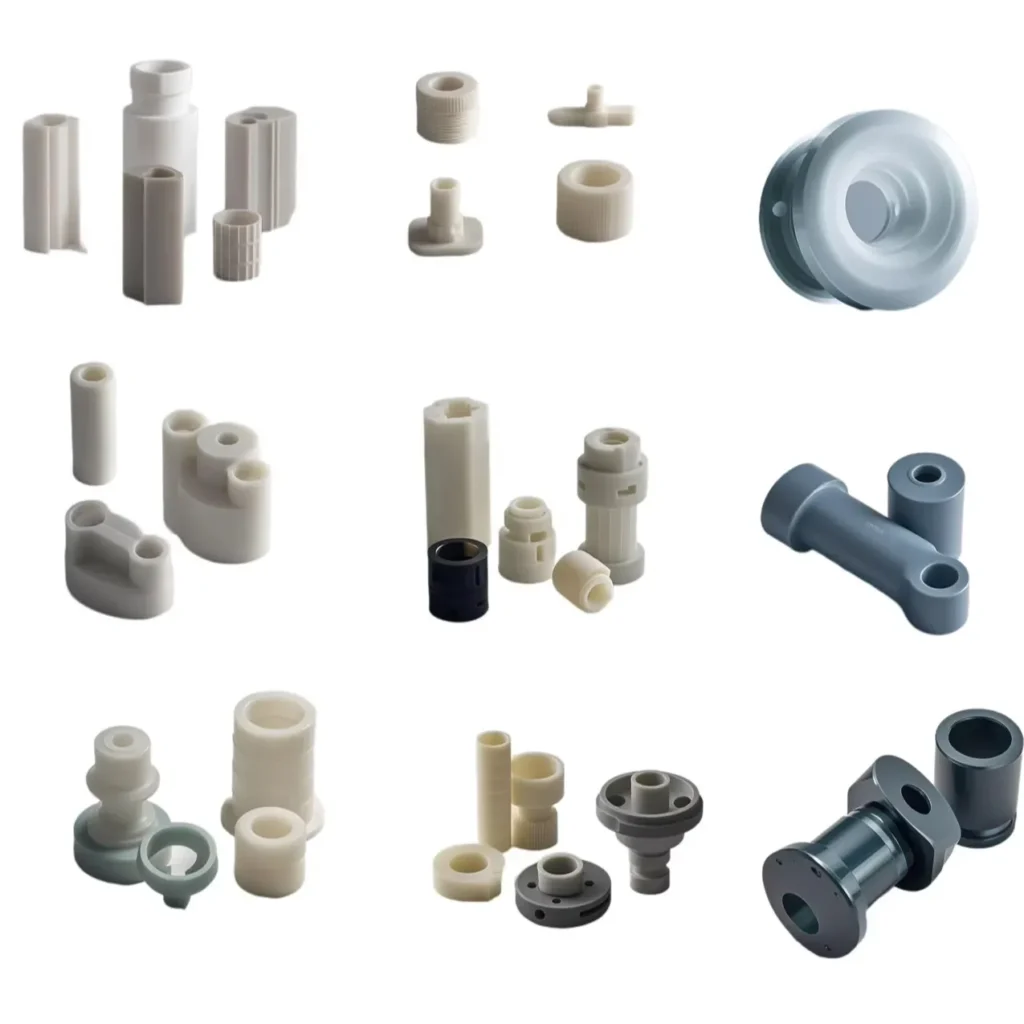
From Microchips to Medicine: Where Plastic Parts Show Up Everywhere
Tiny plastic components are omnipresent in modern life. A plastic making company supplies these parts to industries as varied as automotive, aerospace, consumer electronics, and healthcare. In hospitals, plastic connectors and valves are essential for IV drips and surgical instruments. In smartphones, internal brackets and insulation elements are molded with exacting precision. Even everyday items like kitchen appliances and fitness trackers rely on plastic components to perform consistently. The versatility and adaptability of plastic make it the material of choice for countless miniature components across nearly every sector.
Precision Engineering: Why Scale Doesn’t Mean Simplicity
Creating small plastic parts may seem simple from the outside, but it requires extraordinary precision. A plastic making company must engineer complex molds with micro-level accuracy. Every micron matters. These molds must support high-volume production while maintaining consistency in wall thickness, weight, and performance. The smaller the part, the greater the margin for error—and the harder it becomes to achieve flawless replication. Sophisticated simulation software, CNC machining, and EDM processes are part of the everyday workflow in modern plastic manufacturing.
Material Science Matters: Choosing the Right Resin for the Job
One of the core strengths of a plastic making company lies in its ability to match the right material to the right application. Not all plastics are created equal. Whether a part must resist high heat, flex under pressure, or withstand exposure to chemicals, the choice of resin determines its long-term performance. Companies routinely work with materials such as PEEK, nylon, ABS, polypropylene, and high-impact polystyrene. The material selection process often involves balancing mechanical properties, regulatory compliance, cost, and processability—a blend of science and strategy that affects every product outcome.
Automation and Micro-Molding: The Tech Driving Mass Production
To meet high demand with high precision, a plastic making company integrates advanced automation and micro-molding capabilities. Micro-molding allows for the creation of components as small as a grain of rice with tolerances down to a few microns. Fully automated production cells, equipped with robotic arms and real-time monitoring systems, handle injection, cooling, trimming, and sorting without manual intervention. This not only ensures consistency but also boosts production speed while reducing labor costs. Such technology enables companies to deliver millions of units in tight timelines without compromising quality.
Quality Control at Scale: No Room for Defects
When manufacturing tiny parts in massive quantities, the margin for error shrinks dramatically. That’s why a plastic making company invests heavily in quality control. High-speed vision systems scan each part for surface defects, flash, or dimensional irregularities. In-line sensors monitor temperature, pressure, and cycle time during molding. Statistical process control (SPC) techniques help identify trends before defects multiply. Some facilities even deploy AI-driven analytics to predict maintenance needs or spot hidden process deviations. For industries like aerospace or healthcare, where failure is not an option, this level of scrutiny is non-negotiable.
The Global Supply Chain: How Small Parts Power Big Systems
Modern supply chains are interconnected and fast-moving. A plastic making company plays a critical role in keeping that engine running. These companies provide just-in-time components for assembly lines across the globe. From electronics factories in Southeast Asia to car plants in Europe, timely delivery of small plastic parts can make or break a production schedule. Any disruption—be it material shortage, tooling issue, or shipping delay—has ripple effects. As a result, plastic making companies often operate with high agility, managing multiple suppliers, production schedules, and logistics partners to ensure continuous flow.
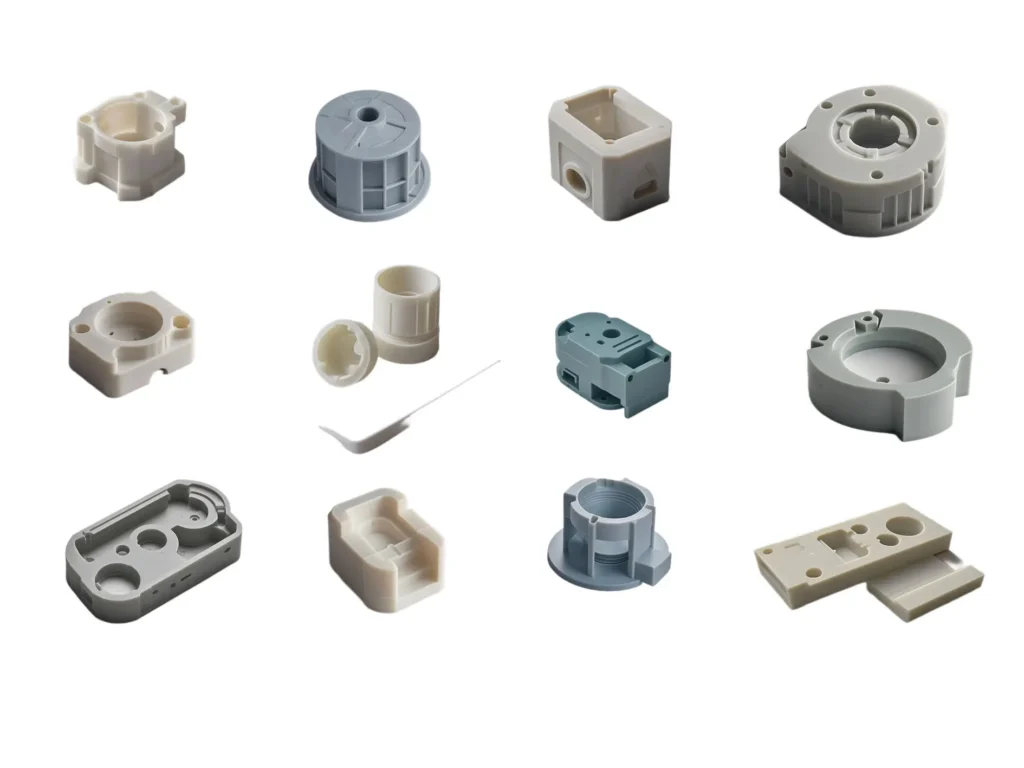
Sustainability in Small Packages: Efficient, Recyclable, Smart
Sustainability is no longer a buzzword—it’s a requirement. A plastic making company is now expected to reduce environmental impact while maintaining high performance. Many are achieving this by adopting closed-loop manufacturing systems, using biodegradable or recycled resins, and optimizing part design to minimize material waste. Energy-efficient machines, water reclamation systems, and waste reduction initiatives are becoming standard. Even small plastic components can be designed for recyclability, enabling circular economy models where parts are reused instead of discarded.
Why Small Plastic Parts Deserve Big Recognition
In a world obsessed with big breakthroughs and grand technologies, it’s easy to overlook the importance of small components. Yet it is these tiny plastic parts—designed, produced, and perfected by a plastic making company—that quietly power the devices, tools, and machines we rely on every day. They are the unsung heroes of manufacturing, built with care, backed by innovation, and delivered at scale. As industries continue to demand more speed, functionality, and sustainability, the role of the plastic making company will only grow in importance. Because in global production, even the smallest parts can have the biggest impact.