
- July 25, 2025
- Posted by: feinuojixie
- Category: Chain Guides News
No Comments
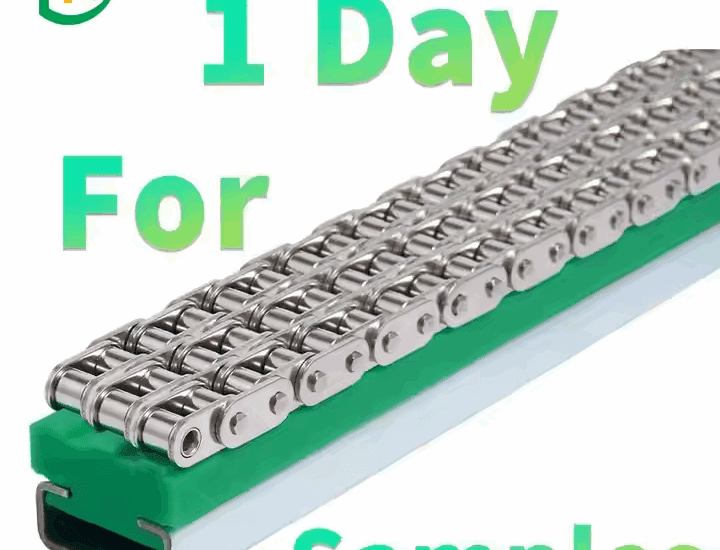
Briefly explain what chain guides are and their critical role in maintaining chain stability, reducing wear, and enhancing performance in cycling and mechanical systems. Highlight why investing in high-performance options matters for enthusiasts and professionals alike.
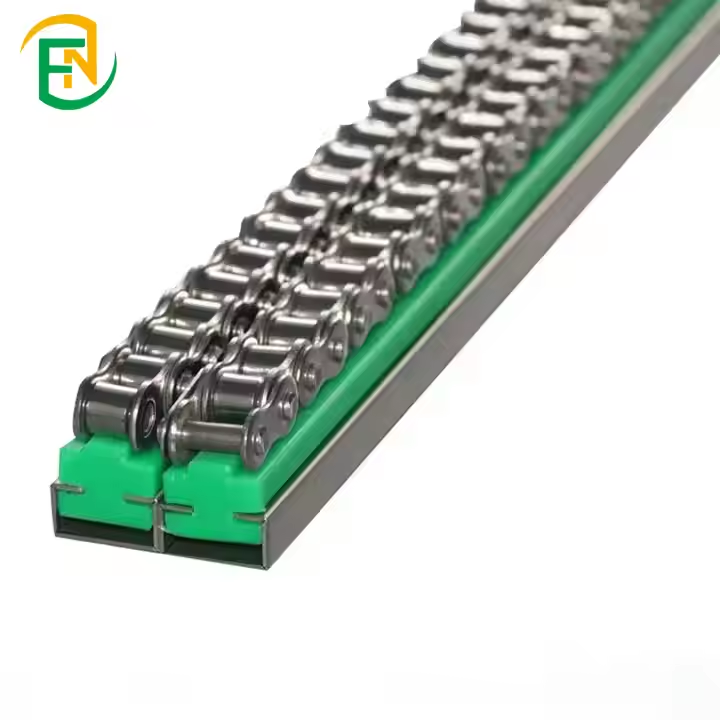
Why High-Performance Chain Guides Are Non-Negotiable
1. Minimize Chain Slap and Wear
In high-intensity environments—whether navigating rocky singletrack or powering through industrial machinery—chain instability poses a significant threat. A subpar chain guide allows the chain to slap against the frame or drivetrain components, generating damaging vibrations, abrasive contact, and irritating noise. Over time, this leads to accelerated wear on the chain, chainring, and frame, compromising both performance and lifespan. High-performance chain guides counter this with precision-engineered designs: contoured plates, reinforced rollers, or idler pulleys that maintain optimal chain alignment. These features reduce lateral movement, ensuring the chain stays securely engaged with the chainring—even during abrupt shifts, harsh landings, or heavy loads. For cyclists, this means smoother rides and fewer mid-ride mishaps; for industrial users, it translates to minimized downtime and lower maintenance costs.
2. Enhance Power Transfer
The core purpose of any drivetrain is to convert mechanical energy into forward motion efficiently. A misaligned or unstable chain disrupts this process, causing power loss through derailments, skipped teeth, or excessive friction. High-performance chain guides act as silent facilitators of this transfer, holding the chain in a precise chainline that matches the drivetrain’s geometry. In cycling, this is particularly critical for 1x setups, where a single chainring demands flawless chain retention to avoid dropped chains during explosive sprints or technical climbs. For machinery, consistent chain alignment ensures uniform load distribution, preventing uneven stress on sprockets and extending the service life of the entire drive system. Every watt or horsepower preserved through a quality chain guide directly improves output, making it a worthwhile investment for performance-driven applications.
3. Protect Your Frame and Components
Chain slap isn’t just a nuisance—it’s a silent destroyer. Repeated impacts from an uncontrolled chain can chip paint, scar carbon fiber, or wear away aluminum frames, compromising structural integrity over time. In mountain biking, where vibrations and impacts are constant, a robust chain guide acts as a protective barrier, absorbing the force of chain movement and redirecting it away from vulnerable frame areas. Industrial equipment, subjected to continuous heavy loads, benefits similarly: chain guides prevent costly damage to casings, motors, or adjacent components, saving businesses from expensive repairs. Many high-end chain guides even feature replaceable wear plates or noise-dampening materials, adding an extra layer of protection while keeping operational noise to a minimum.
Types of High-Performance Chain Guides
1. Mountain Bike Chain Guides
Mountain biking’s diverse disciplines demand specialized solutions:
- Top-Mount vs. Bottom-Mount Designs: Top-mount guides, positioned above the chainring, excel in downhill and enduro riding, offering maximum protection against debris and impacts. Bottom-mount variants, seated below the chainring, are popular for trail bikes, balancing weight and chain retention in less aggressive terrains.
- Chainguides with Tensioners: Suspension-driven chain growth (stretching during travel) is a common issue in full-suspension bikes. Tensioners integrated into chain guides automatically adjust slack, ensuring consistent chain tension and preventing drops over rough terrain.
- Direct-Mount vs. ISCG-05 Compatibility: Modern frames often use ISCG-05 mounts, a standardized interface for universal compatibility. Direct-mount guides, however, offer lighter, streamlined setups for frames with integrated mounting points, requiring careful measurement to ensure proper chainline alignment.
2. Road and Gravel Chain Guides
- Aero-Specific Guides: On road bikes, every gram and every degree of drag matters. Aero chain guides feature sleek, low-profile designs that hug the chainring, reducing air resistance without sacrificing retention—ideal for time trials or competitive racing.
- Gravel-Specific Models: Gravel riding combines road efficiency with off-road durability. Guides here prioritize clearance for wide tires and mud-shedding capabilities, often using composite materials to balance light weight with resistance to rock strikes and abrasive debris.
3. E-Bike Chain Guides
Electric bikes demand rugged solutions:
- Heavy-Duty Construction: The high torque generated by e-bike motors puts extra strain on drivetrain components. Premium e-bike chain guides use reinforced aluminum or stainless steel frames, paired with oversized bearings, to withstand constant rotational force and prevent chain derailment under power.
- Quiet Operation: E-bike riders value smooth, silent performance. Many e-bike-specific guides include rubberized rollers or anti-vibration pads, minimizing chain noise even on bumpy trails—a key feature for enjoying the ride without distraction.
Key Factors When Choosing Chain Guides
1. Material and Build Quality
- Aluminum vs. Composite vs. Stainless Steel: Aluminum guides offer a balance of strength and light weight, ideal for performance-focused cyclists. Composite materials (nylon, carbon fiber) prioritize minimal weight and corrosion resistance, suited for cross-country or gravel bikes. Stainless steel, while heavier, excels in harsh, wet environments or industrial settings, where rust and wear are constant threats.
- Bearing Systems: Sealed cartridge bearings in premium guides provide smooth, frictionless rotation, reducing wear and maintenance needs. Cheaper alternatives with bushings or open bearings may seize over time, especially in dusty or wet conditions, making bearing quality a critical durability factor.
2. Compatibility with Drivetrain Components
- Chainring Size and Type: Ensure the guide is rated for your chainring size (e.g., 30T–42T) and compatible with your drivetrain type (1x, 2x, or 3x). Some guides are optimized for narrow-wide chainrings, enhancing retention when used together.
- Suspension Dynamics: For mountain bikes, match the guide’s design to your frame’s suspension layout. A guide built for a short-travel trail bike may not account for the extreme chain growth in a downhill bike’s long-travel suspension, leading to misalignment and inefficiency.
3. Installation Ease and Adjustability
- Tool-Less Adjustments: Brands like MRP offer guides with adjustable chainline tabs that can be tweaked by hand, allowing quick on-trail fixes for minor misalignments.
- Multi-Position Mounting: Guides with slotted mounting holes or interchangeable hardware adapt to different wheel sizes (26″, 27.5″, 29″) and chainlines, ensuring a perfect fit across multiple setups.
4. Brand Reputation and Warranty
- Trusted Brands: Industry leaders like E*thirteen (known for robust MTB guides), Ztto (offering budget-friendly yet reliable options), and MRP (pioneers in ISCG-05 technology) have spent years refining their designs, ensuring compatibility and performance.
- Warranty Coverage: A strong warranty (e.g., 2–3 years) signals confidence in the product’s durability. Look for brands that offer crash replacement programs or easy part sourcing for peace of mind.
Installation and Maintenance Best Practices
1. Step-by-Step Installation Guide
- Tools Required: Gather a 2.5–5mm Allen key set, torque wrench (to avoid over-tightening), chain checker tool (for alignment), and a ruler for measuring chainline distance (ideally 46–52mm from the bottom bracket center to the chainring’s midpoint).
- Alignment Tips: Attach the guide loosely, spin the crankset, and check for chain rub. Adjust horizontally until the chain runs smoothly, then torque bolts to the manufacturer’s specs (typically 5–8 Nm).
2. Routine Maintenance for Longevity
- Cleaning and Lubrication: After rides or use, wipe down the guide with a dry cloth, removing dirt and grime. Lubricate moving parts (rollers, tensioner springs) with a light bike chain lube or silicone spray every 2–4 weeks to prevent seizing.
- Inspection Checks: Before each ride, visually inspect for loose bolts, cracked plates, or worn bearings. A wobbly roller or misaligned guide is a red flag—address issues immediately to avoid cascading damage.
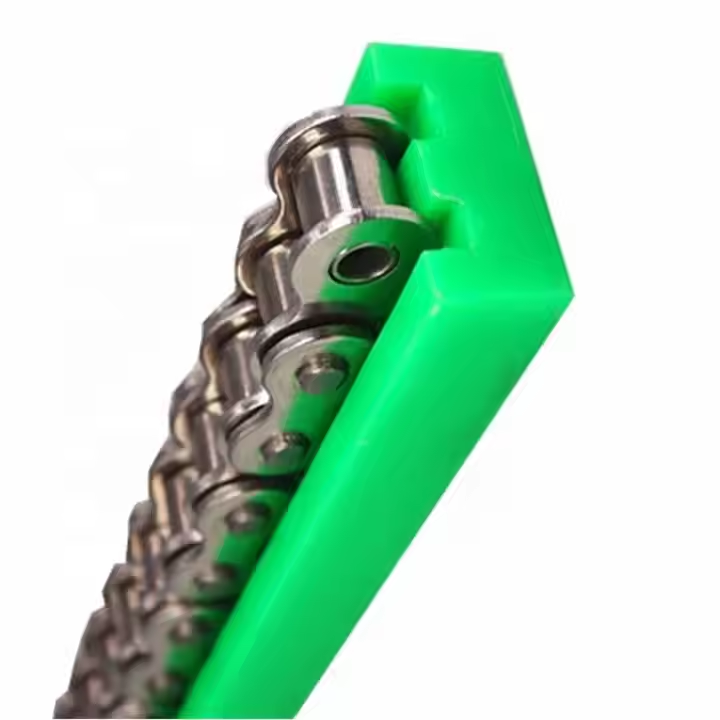
Common Questions About Chain Guides
1. Do I Need a Chain Guide for My Bike?
While road bikes and casual cruisers may not require one, mountain bikes (especially downhill, enduro, or 1x setups) benefit immensely from chain guides’ retention and protection. Gravel and e-bike riders should consider guides if they frequently tackle rough terrain, as increased vibration and torque raise the risk of chain drops.
2. Can I Use a Chain Guide with a Suspension Fork?
Yes, but compatibility depends on frame geometry and suspension kinematics. Ensure the guide is designed for your frame type (full-suspension vs. hardtail) and that its mounting points don’t interfere with the fork’s travel or axle path.
3. How Often Should I Replace My Chain Guide?
For heavy riders or industrial users, inspect components every 6 months and replace worn parts annually. Casual users may get 2–3 years of life from a quality guide, but always replace it at the first sign of structural damage (cracks, bent plates, or seized bearings).
Elevate Your Ride with the Right Chain Guide
A high-performance chain guide is more than just a protective add-on—it’s a cornerstone of drivetrain efficiency, durability, and peace of mind. By understanding your setup’s demands (terrain, torque, compatibility) and prioritizing quality materials and precision engineering, you can eliminate chain-related frustrations and unlock the full potential of your equipment. Whether you’re chasing podium finishes, exploring remote trails, or maintaining industrial machinery, the right chain guide ensures your chain stays where it belongs: driving forward, smoothly and securely.