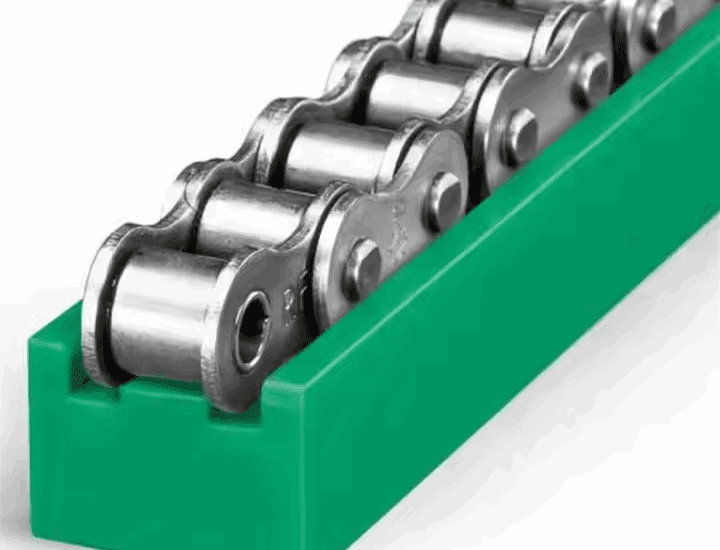
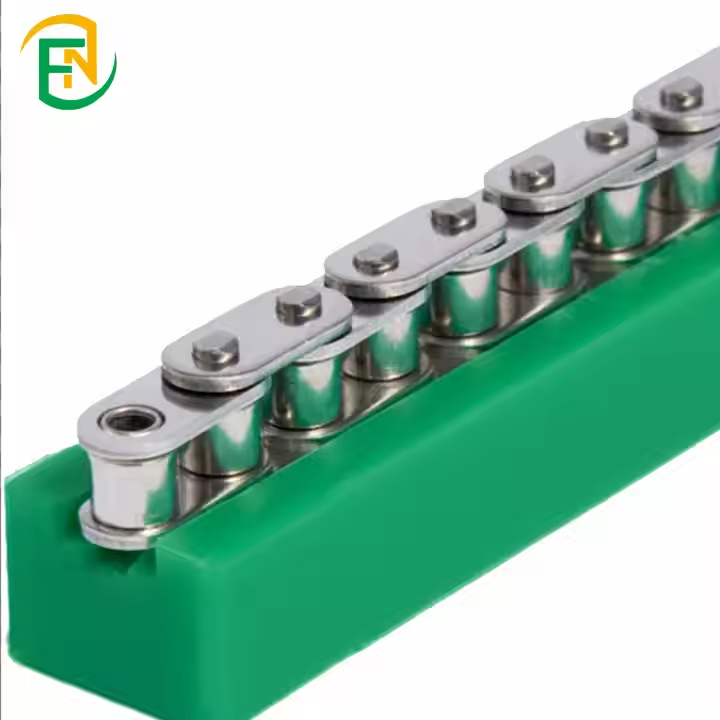
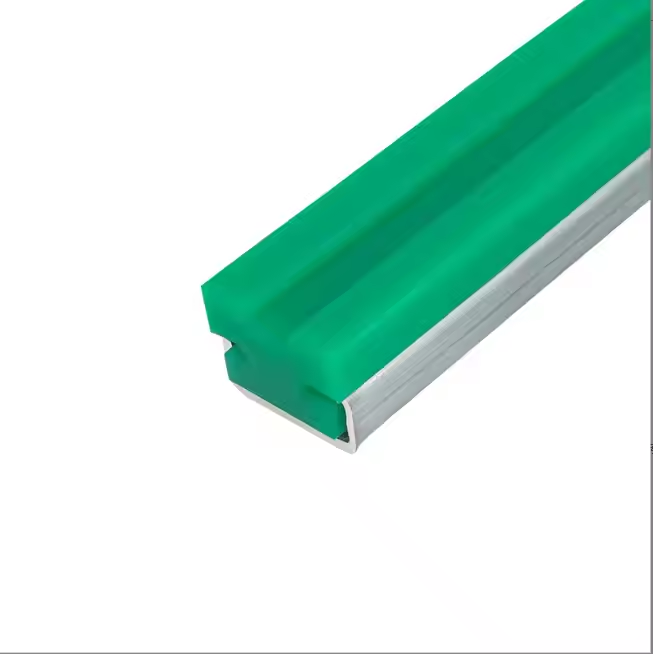
In today’s fast-paced manufacturing and industrial landscapes, the efficiency and reliability of machinery are non-negotiable. At the heart of many mechanical systems lie chain guides—unsung heroes that ensure smooth chain movement, reduce friction, and prevent costly disruptions. As technology evolves, so too do the demands on these essential components. This blog explores why upgrading your machinery with cutting-edge chain guides is not just a luxury but a necessity for staying ahead in an increasingly competitive market.
Traditional chain guides, often made from basic polymers or metals, have long served industrial needs but now face challenges in high-speed, high-load environments. Issues like wear and tear, noise generation, and limited chemical resistance can lead to frequent maintenance, downtime, and reduced operational efficiency. As industries strive for greater productivity and sustainability, the shortcomings of outdated designs have become increasingly evident.
Modern industries—from automotive and aerospace to food processing and logistics—require machinery that can withstand extreme temperatures, heavy loads, and continuous operation. Meanwhile, sustainability mandates push for components that minimize energy consumption and waste.
Chain guides must evolve to meet these demands, driving the need for innovative solutions.
The next generation of chain guides leverages state-of-the-art materials like high-performance polymers (e.g., PEEK, UHMWPE) and composite blends. These materials offer superior abrasion resistance, low friction coefficients, and chemical inertness, reducing wear on chains and extending component lifespan. For example, self-lubricating polymers eliminate the need for frequent oiling, enhancing sustainability and lowering maintenance costs.
Innovative designs now incorporate ergonomic features such as contoured profiles, adaptive tensioning systems, and modular structures. These advancements optimize chain alignment, reduce vibration, and enhance load distribution, even in complex mechanical setups. Computer-aided design (CAD) and simulation tools ensure that modern chain guides fit seamlessly into existing machinery while maximizing performance.
The future of chain guides is also tied to the rise of smart manufacturing. Some advanced models include embedded sensors that monitor wear, temperature, and alignment in real time, providing predictive maintenance insights via IoT platforms. This connectivity allows businesses to proactively address issues before they escalate, minimizing downtime and improving overall equipment effectiveness (OEE).
By reducing friction and improving chain stability, modern chain guides enable machinery to operate at higher speeds with less energy waste. Case studies show that upgrades can increase production throughput by up to 20% while lowering power consumption, directly impacting bottom-line profitability.
Traditional chain guides often require frequent replacements and lubrication, driving up maintenance costs. High-performance alternatives, with their extended lifespan and low-maintenance designs, can cut maintenance expenses by 30–50% over time. Additionally, minimized downtime due to fewer breakdowns further boosts operational ROI.
Modern chain guides are designed with safety in mind, featuring anti-derailment mechanisms and fail-safe designs that reduce the risk of accidents. In regulated industries, such as food and pharmaceuticals, corrosion-resistant and FDA-compliant materials ensure compliance with strict hygiene standards, avoiding costly regulatory penalties.
Start by evaluating your machinery’s requirements: load capacity, operating speed, environmental conditions (e.g., heat, moisture, chemicals), and maintenance goals. For high-temperature applications, ceramic-reinforced chain guides may be ideal, while food-grade polymers suit sanitary environments.
Work with manufacturers that offer customized solutions and have a proven track record in your industry. Look for suppliers who provide testing and simulation services to ensure optimal fit and performance. Many modern providers also offer retrofitting services, making upgrades seamless even for older machinery.
While advanced chain guides may have a higher upfront cost, their long-term benefits in durability, efficiency, and maintenance savings often justify the investment. Calculate total cost of ownership (TCO) to compare the lifecycle value of different options.
As global sustainability goals intensify, chain guides made from recycled or biodegradable polymers will gain traction. Manufacturers are also exploring carbon-neutral production processes to align with eco-conscious industry standards.
Future chain guides may feature AI-powered analytics that predict component failure based on real-time data, enabling fully autonomous maintenance scheduling. This level of integration will further enhance productivity and reduce human intervention.
With the rise of compact machinery and collaborative robots (cobots), chain guides will evolve to support smaller, more agile systems while maintaining high performance. Multi-functional designs that adapt to varying chain types and sizes will become increasingly common.
Future-Proof Your Machinery with Advanced Chain Guides
The industrial landscape is evolving, and chain guides are no exception. Upgrading to modern, high-performance solutions isn’t just about fixing current issues—it’s about future-proofing your operations. By embracing innovative materials, smart designs, and sustainable practices, you can unlock higher efficiency, lower costs, and greater competitiveness.
Don’t let outdated components hold your machinery back. The future of chain guides is here, and it’s time to seize the opportunity to elevate your operations. Contact a trusted supplier today to explore how cutting-edge chain guides can transform your machinery’s performance—and your business’s future.