
- July 28, 2025
- Posted by: feinuojixie
- Category: Chain Guides News
No Comments

In various industrial and mechanical setups, from manufacturing equipment to conveyor systems, the smooth operation of chains is critical for overall efficiency. Chain guides play a pivotal role in ensuring that chains move along the correct path, reducing friction, and preventing misalignment. Yet, they often go unnoticed until issues arise. This article explores why upgrading to durable chain guides can be a game-changer for your operations, enhancing performance and extending the lifespan of your machinery.
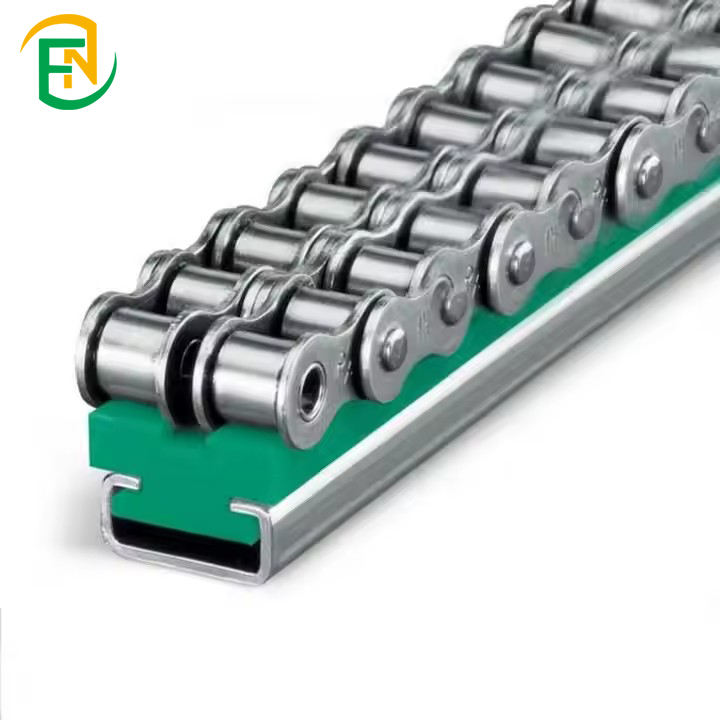
Understanding the Role of Chain Guides
Chain guides are essential components that support and direct the movement of chains in mechanical systems. They maintain the chain’s position, ensuring it stays on the sprockets and follows the intended route. By minimizing lateral movement, chain guides reduce wear and tear on both the chain and other adjacent components. Properly functioning chain guides also contribute to quieter operation and more consistent power transmission, which are vital for maintaining productivity in any mechanical setup.
The Pitfalls of Worn-Out or Inadequate Chain Guides
Many operators overlook the condition of their chain guides until problems occur. Worn-out chain guides can lead to chain misalignment, which causes excessive friction. This friction not only increases energy consumption but also accelerates the wear of the chain, sprockets, and other parts. In severe cases, misaligned chains can jump off the sprockets, leading to unexpected downtime for repairs. Inadequate chain guides, even if not worn, might not be designed for the specific demands of your application, resulting in suboptimal performance and frequent maintenance issues.
Benefits of Upgrading to Durable Chain Guides
Enhanced Durability for Long-Term Use
Durable chain guides are constructed from high-quality materials such as engineering plastics, reinforced polymers, or metal alloys that can withstand harsh environments, including high temperatures, moisture, and exposure to chemicals. These materials are chosen for their resistance to abrasion, ensuring that the guides maintain their shape and functionality over time, even under heavy loads and continuous operation.
Improved Operational Efficiency
By providing a smooth and stable path for the chain, durable chain guides reduce friction, which in turn lowers energy usage. The reduced friction also means less heat generated during operation, which is beneficial for the overall mechanical system as it helps to maintain optimal operating temperatures. With chains moving more efficiently, the entire system can run at higher speeds with greater reliability, boosting productivity.
Reduced Maintenance and Downtime
One of the significant advantages of durable chain guides is their long service life. Unlike cheaper, less durable alternatives that require frequent replacement, high-quality chain guides need minimal maintenance. This not only saves on the cost of frequent repairs and replacements but also reduces the amount of downtime needed for maintenance work. Operators can spend more time on productive tasks rather than dealing with recurring chain guide issues.
Protection for Other Components
When chain guides are in good condition and properly aligned, they protect the chain and other components such as sprockets and bearings from excessive wear. A well-guided chain is less likely to cause damage to surrounding parts, extending the lifespan of the entire mechanical system. This protection translates to lower long-term maintenance costs and a more reliable operation.
How to Choose the Right Durable Chain Guides for Your Application
Consider Your Application Requirements
The first step in selecting chain guides is to understand the specific needs of your application. Factors such as the type of chain (e.g., roller chain, conveyor chain), operating speed, load capacity, and environmental conditions (temperature, humidity, chemical exposure) all play a role in determining the appropriate chain guide material and design. For example, in a high-temperature environment, metal or heat-resistant polymer guides might be suitable, while in a wet or corrosive setting, corrosion-resistant materials are a must.
Look for Quality Materials and Construction
Opt for chain guides made from premium materials that are known for their durability and performance. Engineering plastics like nylon and polyurethane are popular for their low friction and wear resistance, while metal guides offer high strength and rigidity for heavy-duty applications. Additionally, check the construction of the guides, such as whether they have reinforced edges or additional features like lubrication channels that can further enhance their performance and lifespan.
Ensure Proper Fit and Compatibility
Even the best-quality chain guides will not perform well if they are not properly fitted to your system. Make sure to measure the chain dimensions, sprocket spacing, and the required guide length and profile to ensure a perfect fit. Many manufacturers offer customizable chain guides to meet specific application needs, so don’t hesitate to work with them to get the right product for your setup.
Installation Tips for Optimal Performance
Prepare the Installation Area
Before installing the new chain guides, thoroughly clean the installation area to remove any debris, old lubricants, or worn-out parts. Inspect the chain and sprockets for any damage and replace them if necessary, as damaged components can affect the performance of the new chain guides.
Follow Manufacturer Instructions
Each type of chain guide may have specific installation instructions provided by the manufacturer. Follow these guidelines carefully to ensure proper alignment and secure mounting. Use the recommended tools and fasteners to attach the guides, and check the alignment after installation to make sure the chain moves smoothly along the guides without any binding or excessive play.
Lubricate as Needed
Depending on the material of the chain guides and the operating conditions, lubrication may be necessary to further reduce friction and enhance performance. Some polymer guides are self-lubricating, while others may require periodic lubrication with a suitable lubricant. Be sure to use a lubricant that is compatible with the guide material and the environment in which the system operates.
Real-World Examples: How Durable Chain Guides Make a Difference
Case Study 1: Manufacturing Conveyor System
A manufacturing facility was experiencing frequent downtime due to chain misalignment and excessive wear on their conveyor system. After upgrading to durable polymer chain guides designed for their specific chain type and load requirements, they noticed a significant reduction in friction and noise. The chain now runs more smoothly, and the need for maintenance has decreased by 50%, resulting in increased production efficiency and cost savings.
Case Study 2: Industrial Machinery in a Harsh Environment
In an industrial setting with high humidity and exposure to chemicals, the existing metal chain guides were corroding and wearing out quickly. By switching to corrosion-resistant polymer chain guides, the machinery’s uptime improved significantly. The new guides withstood the harsh conditions, reducing the frequency of replacements and ensuring consistent operation even in challenging environments.

Common Questions About Durable Chain Guides
Q: How often should I inspect my chain guides?
A: It is recommended to inspect your chain guides during regular maintenance checks, which can vary depending on the operating conditions. In general, a monthly inspection for most applications is a good practice to catch any signs of wear or misalignment early.
Q: Can I install durable chain guides on my existing system without major modifications?
A: In many cases, yes. Durable chain guides are available in various designs and can often be retrofitted to existing systems with minimal modifications. However, it’s important to ensure proper fit and compatibility by checking the dimensions and specifications of your current setup.
Q: Are durable chain guides more expensive than standard ones?
A: While durable chain guides may have a higher upfront cost compared to cheaper alternatives, their long lifespan, reduced maintenance needs, and improved performance result in lower overall costs over time. The investment in quality chain guides is often worth it for the benefits they provide in terms of efficiency and reliability.
Take the Step Towards Smoother Operations
Upgrading to durable chain guides is a proactive step that can have a significant impact on the performance, longevity, and efficiency of your mechanical systems. By understanding the role of chain guides, recognizing the pitfalls of inadequate ones, and choosing the right durable options for your application, you can enjoy smoother operations, reduced downtime, and lower maintenance costs. Don’t wait until problems arise – consider upgrading your chain guides today and experience the difference for yourself.