
- July 29, 2025
- Posted by: feinuojixie
- Category: Chain Guides News
No Comments
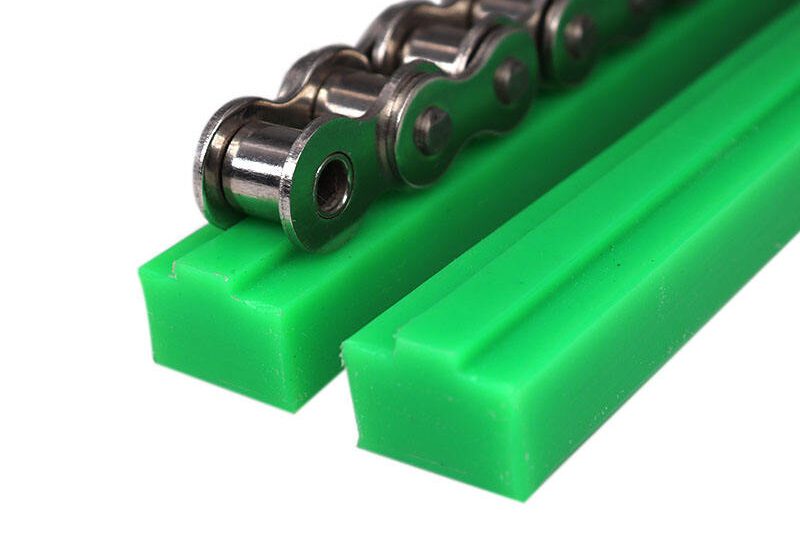
In the intricate realm of industrial machinery, where the seamless operation of equipment is paramount for productivity and profitability, chain guides emerge as a linchpin for ensuring smooth and efficient processes. Far from being mere accessories, these unassuming components play a crucial and multifaceted role in enhancing equipment reliability and significantly reducing downtime. This blog post delves deep into the world of chain guides, exploring their functionality, benefits, and the profound impact they have on various industries.
The Fundamental Functionality of Chain Guides
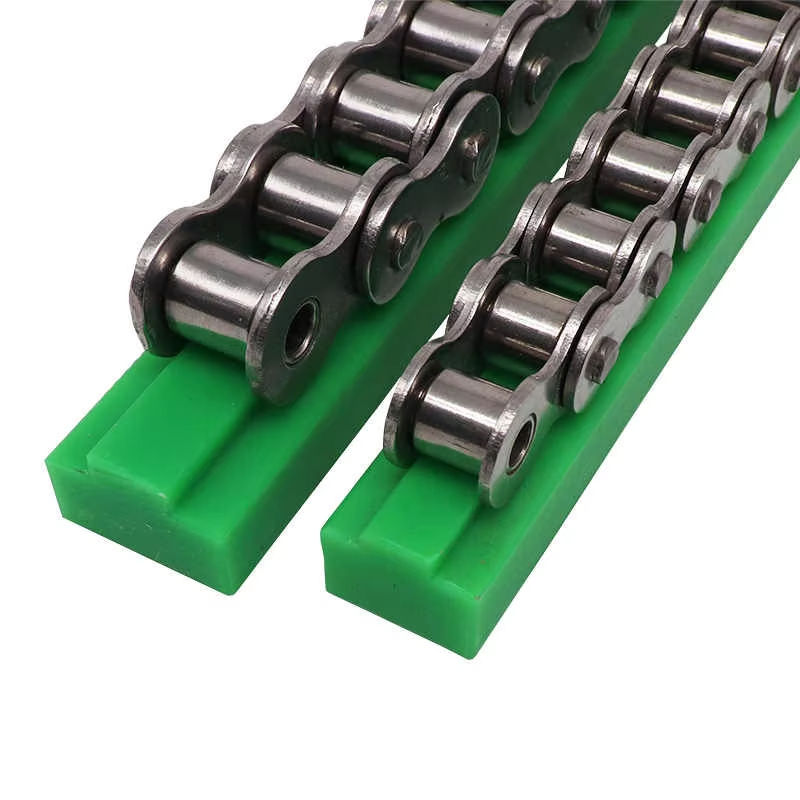
Chain guides serve as the silent guardians of chain – driven systems, providing essential support and direction to chains as they move within mechanical setups. At their core, their primary function is to keep chains in proper alignment, preventing slippage, misalignment, and derailment. This is achieved through a combination of design features and materials that work in tandem to create a stable and secure pathway for the chain.
The construction of chain guides varies widely depending on the specific application and operating conditions. Materials such as high – performance plastics, metals, and composites are commonly used, each offering distinct advantages. High – density polyethylene (HDPE) guides, for instance, are known for their excellent wear resistance, low friction, and chemical inertness, making them ideal for applications where exposure to harsh chemicals or abrasive materials is a concern. On the other hand, metal guides, such as those made from stainless steel, offer superior strength and durability, capable of withstanding heavy loads and high – impact environments.
In terms of design, chain guides come in a plethora of configurations, including channel – type, rail – type, and roller – type guides. Channel – type guides feature a U – shaped or V – shaped profile that cradles the chain, providing lateral support and preventing it from moving side to side. Rail – type guides, on the other hand, consist of a flat or slightly contoured surface along which the chain slides, offering a simple and cost – effective solution for guiding chains in linear motion. Roller – type guides incorporate rolling elements, such as bearings or rollers, to reduce friction and enable smooth and effortless chain movement, making them suitable for high – speed applications.
Enhancing Equipment Reliability
One of the most significant contributions of chain guides to industrial operations is their ability to enhance equipment reliability. By maintaining proper chain alignment and preventing slippage, chain guides minimize the risk of premature wear and tear on chains and other components of the system. This, in turn, extends the lifespan of the equipment, reduces the frequency of component replacements, and lowers maintenance costs.
In addition to reducing wear and tear, chain guides also play a crucial role in preventing equipment failures caused by chain – related issues. A misaligned or slipping chain can cause excessive stress on the drivetrain, leading to damage to gears, sprockets, and other critical components. In extreme cases, it can even result in complete system breakdowns, causing significant disruptions to production schedules and incurring substantial costs in terms of lost productivity and repair expenses. Chain guides act as a safeguard against such failures, ensuring that the chain remains in its intended path and operates smoothly under all operating conditions.
Furthermore, chain guides contribute to the overall stability and precision of the equipment. In applications where precise positioning and movement of the chain are required, such as in automated manufacturing processes or conveyor systems, chain guides provide the necessary guidance and support to ensure accurate and consistent performance. This not only improves the quality of the finished products but also enhances the efficiency of the production process by reducing the need for manual adjustments and corrections.
Reducing Downtime
Downtime is the bane of any industrial operation, as it directly translates into lost production, missed deadlines, and decreased profitability. Chain guides offer a practical and effective solution to minimize downtime by reducing the frequency and duration of equipment breakdowns.
As mentioned earlier, chain guides help prevent chain – related failures, which are a common cause of unplanned downtime. By ensuring that the chain operates smoothly and without issues, chain guides enable companies to implement predictive maintenance strategies, scheduling maintenance activities at regular intervals based on the condition of the equipment rather than waiting for a breakdown to occur. This proactive approach not only reduces the likelihood of unexpected downtime but also allows for more efficient use of resources, as maintenance can be planned and executed during periods of low production or scheduled downtime.
In addition to preventing failures, chain guides also facilitate quick and easy maintenance and repair operations. Many chain guides are designed for easy installation and removal, allowing for rapid replacement in the event of wear or damage. This significantly reduces the time required for maintenance activities, minimizing the impact on production schedules. Moreover, some chain guides are equipped with features such as self – lubricating materials or built – in wear indicators, which further simplify maintenance procedures and help to identify potential issues before they escalate into major problems.
Chain Guides in Diverse Industries
The versatility of chain guides makes them indispensable in a wide range of industries, each with its own unique set of requirements and challenges.
In the manufacturing industry, chain guides are used extensively in conveyor systems, assembly lines, and material handling equipment. They ensure the smooth and efficient movement of products and components, enabling seamless production processes and reducing the risk of bottlenecks and delays. For example, in a food processing plant, chain guides made from food – grade materials are used to transport food products along the production line, ensuring hygiene and safety while maintaining the integrity of the products.
In the automotive industry, chain guides play a crucial role in engine timing systems, transmission systems, and power transfer mechanisms. They help to ensure the precise and reliable operation of these systems, contributing to the overall performance and reliability of the vehicle. High – performance chain guides are often used in racing applications, where they must withstand extreme temperatures, high speeds, and heavy loads while maintaining optimal performance.
The logistics and warehousing industry also relies heavily on chain guides for automated storage and retrieval systems, conveyor belts, and sorting equipment. These guides enable the efficient movement of goods within the warehouse, reducing handling times and improving overall productivity. In e – commerce fulfillment centers, for instance, chain guides are used to transport packages from the receiving area to the sorting and shipping areas, ensuring fast and accurate order processing.
Selecting the Right Chain Guides
Choosing the right chain guides for a specific application is a critical decision that can have a significant impact on the performance, reliability, and lifespan of the equipment. Several factors need to be considered when selecting chain guides, including the type of chain, the operating environment, the load capacity, and the speed of the system.
The type of chain being used is an important consideration, as different chains have different profiles, sizes, and operating characteristics. Chain guides must be compatible with the chain to ensure proper fit and function. For example, a roller chain requires a different type of guide than a silent chain or a leaf chain.
The operating environment also plays a crucial role in the selection of chain guides. Factors such as temperature, humidity, dust, and chemical exposure can all affect the performance and lifespan of the guides. In harsh environments, such as those found in mining, construction, or outdoor applications, chain guides made from durable materials with high resistance to wear, corrosion, and impact are required.
The load capacity and speed of the system are other important factors to consider. Chain guides must be able to support the weight and force of the chain and the attached load without deforming or failing. In high – speed applications, chain guides with low friction and high precision are essential to ensure smooth and efficient operation.
Finally, it is important to work with a reputable manufacturer or supplier who can provide expert advice and guidance on the selection of chain guides. A good supplier will have a wide range of products available, as well as the knowledge and experience to help customers choose the right guides for their specific applications.
Maintenance and Care
Proper maintenance and care are essential for ensuring the long – term performance and reliability of chain guides. Regular inspection of chain guides is recommended to check for signs of wear, damage, or misalignment. Any issues should be addressed promptly to prevent further damage and ensure the continued operation of the equipment.
Lubrication is also an important aspect of chain guide maintenance. Depending on the type of guide and the operating conditions, different lubrication methods and lubricants may be required. Some chain guides are self – lubricating, while others require periodic lubrication with grease or oil. Following the manufacturer’s recommendations for lubrication is crucial to ensure optimal performance and extend the lifespan of the guides.
In addition to inspection and lubrication, it is also important to keep the chain and the surrounding area clean. Dust, debris, and other contaminants can accumulate on the chain and the guides, causing increased friction and wear. Regular cleaning with a suitable solvent or cleaning agent can help to remove these contaminants and keep the system running smoothly.
Conclusion
Chain guides are an essential component of industrial machinery, playing a vital role in enhancing equipment reliability and reducing downtime. Their ability to maintain proper chain alignment, prevent wear and tear, and facilitate maintenance makes them indispensable in a wide range of industries. By understanding the functionality, benefits, and selection criteria of chain guides, companies can make informed decisions when it comes to choosing the right guides for their equipment, ensuring optimal performance, reliability, and productivity. With proper maintenance and care, chain guides can provide years of trouble – free operation, contributing to the success and profitability of industrial operations. As technology continues to advance, we can expect to see further innovations in chain guide design and materials, offering even greater performance and reliability in the future.