
- August 1, 2025
- Posted by: feinuojixie
- Category: Chain Guides News
No Comments
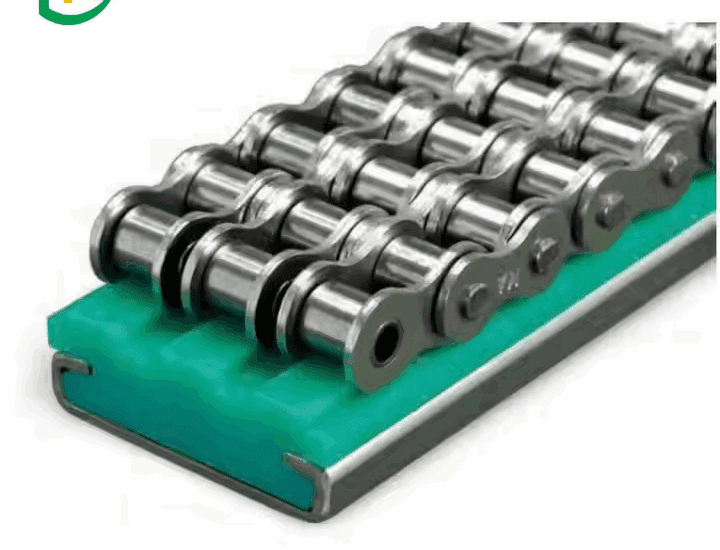
In the dynamic world of industrial machinery, the quest for enhanced performance, durability, and efficiency is never-ending. Roller guide rails, often overlooked yet crucial components, play a pivotal role in determining the overall functionality of various equipment. This blog delves into the exceptional features of superior roller guide rails, specifically their ultra-low friction and high rigidity, and explores how these attributes can revolutionize your machinery operations.
Understanding Roller Guide Rails: A Brief Overview
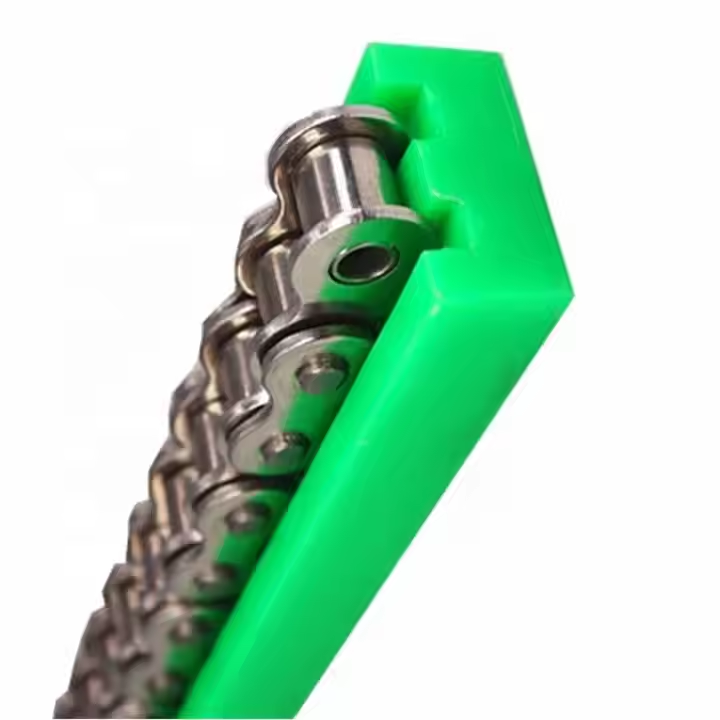
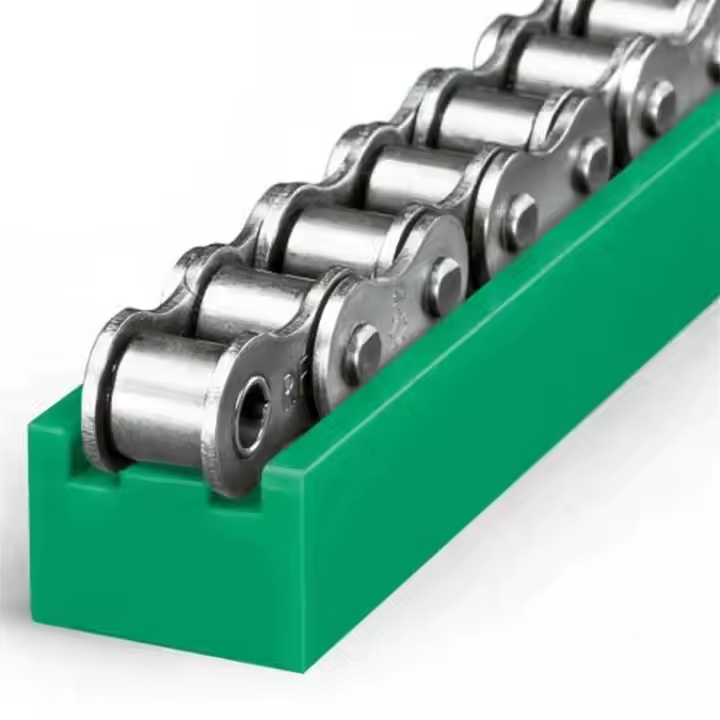
Before diving into the advanced features, it’s essential to understand the basics of roller guide rails. These are linear motion systems that facilitate smooth and precise movement of components along a track. They consist of a guide rail, which serves as the stationary track, and rolling elements, such as rollers, that move along the rail. Roller guide rails are preferred over other linear motion systems in many applications due to their ability to handle high loads, provide long service life, and ensure accurate positioning.
The Dual Powerhouses: Ultra-Low Friction and High Rigidity
Ultra-Low Friction: The Key to Seamless Movement
One of the standout features of superior roller guide rails is their ultra-low friction. Minimizing friction is crucial in machinery as it directly impacts energy consumption, wear and tear, and overall performance. With advanced design and engineering, these guide rails reduce friction to an absolute minimum. This not only leads to smoother operation but also significantly extends the lifespan of the machinery by reducing the stress on moving parts. For example, in high-speed manufacturing equipment, the ultra-low friction of roller guide rails enables faster production cycles without sacrificing precision.
High Rigidity: Ensuring Stability and Precision
In addition to low friction, high rigidity is another critical characteristic of top-notch roller guide rails. Rigidity refers to the ability of the guide rail to resist deformation under load. High-rigidity roller guide rails can handle heavy loads without bending or flexing, ensuring that the machinery maintains its accuracy and stability even under demanding conditions. This is particularly important in applications such as CNC machining, where the slightest deviation can result in significant errors in the final product.
Applications of Superior Roller Guide Rails
Manufacturing and Automation
In the manufacturing and automation industry, superior roller guide rails are indispensable. They are used in a wide range of equipment, from conveyor systems to robotic arms. The ultra-low friction allows for efficient movement of heavy components, while the high rigidity ensures that the equipment can perform complex tasks with utmost precision. This leads to increased productivity, reduced downtime, and improved product quality.
Medical Equipment
The medical field also benefits greatly from the unique properties of roller guide rails. In medical imaging equipment, such as MRI and CT scanners, precise movement is crucial for accurate diagnosis. The low friction and high rigidity of these guide rails enable smooth and stable positioning of the scanning components, ensuring clear and detailed images. Additionally, in surgical robots, roller guide rails play a vital role in providing the necessary precision and control during minimally invasive procedures.
Aerospace and Defense
Aerospace and defense applications demand the highest levels of reliability and performance. Superior roller guide rails are used in aircraft landing gear, missile guidance systems, and other critical components. The ability to withstand extreme conditions, along with their ultra-low friction and high rigidity, makes them ideal for these demanding environments. They ensure the safe and efficient operation of equipment, even in the harshest of conditions.
Technological Advancements in Roller Guide Rails
The continuous evolution of technology has led to significant advancements in roller guide rail design and manufacturing. Modern guide rails incorporate innovative materials, such as high-strength alloys and advanced polymers, to enhance their performance. Additionally, advanced manufacturing techniques, such as precision grinding and polishing, are used to achieve extremely smooth surfaces, further reducing friction. Moreover, intelligent features, such as self-lubricating systems and condition monitoring sensors, are being integrated into roller guide rails to improve maintenance and extend their service life.
Choosing the Right Roller Guide Rails for Your Application
Selecting the appropriate roller guide rails for your machinery is a critical decision. Several factors need to be considered, including load capacity, travel distance, speed requirements, and environmental conditions. It’s essential to work with a reputable manufacturer or supplier who can provide expert advice and guidance based on your specific needs. By choosing the right roller guide rails, you can maximize the performance and efficiency of your machinery while minimizing costs and downtime.
Embrace the Future of Machinery with Superior Roller Guide Rails
In conclusion, superior roller guide rails with their ultra-low friction and high rigidity offer a game-changing solution for various industries. Whether you’re in manufacturing, healthcare, aerospace, or any other field that relies on precision machinery, these guide rails can significantly enhance the performance, reliability, and efficiency of your equipment. By staying updated on the latest technological advancements and choosing the right guide rails for your application, you can stay ahead of the competition and embrace the future of machinery.