
- August 5, 2025
- Posted by: feinuojixie
- Category: Chain Guides News
No Comments
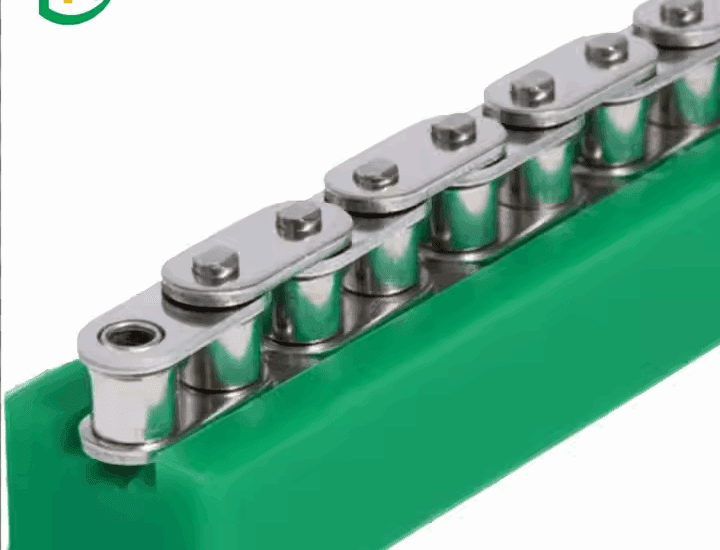
In the realm of high-speed industrial applications, the demand for components that can deliver both precision and durability is paramount. Heavy-duty roller guide rails have emerged as the unsung heroes, providing the stability and reliability required for smooth operation at high speeds. This blog post delves into the world of these essential components, exploring their features, benefits, and the critical role they play in modern manufacturing.

Understanding Heavy-Duty Roller Guide Rails
Definition and Structure
Heavy-duty roller guide rails are linear motion systems consisting of a rail and a carriage with multiple rollers. The rollers are designed to distribute the load evenly, reducing friction and wear. This unique design allows for high load capacities and smooth, precise movement, making them ideal for high-speed applications.
Types of Roller Guide Rails
There are several types of heavy-duty roller guide rails, each with its own set of advantages. These include recirculating ball guide rails, cross-roller guide rails, and linear motion guide rails. Understanding the differences between these types is crucial for selecting the right rail for your specific application.
Key Benefits of Heavy-Duty Roller Guide Rails in High-Speed Applications
High Load Capacity
One of the primary advantages of heavy-duty roller guide rails is their ability to handle high loads. This makes them suitable for applications where heavy machinery or components need to be moved at high speeds without sacrificing stability.
Low Friction and High Efficiency
The design of roller guide rails minimizes friction, allowing for smooth and efficient movement. This not only reduces energy consumption but also extends the lifespan of the components, making them a cost-effective solution for high-speed applications.
Precision and Accuracy
In high-speed applications, precision is key. Heavy-duty roller guide rails provide excellent linear accuracy, ensuring that components are moved with pinpoint precision. This is essential for applications such as CNC machining and automation.
Durability and Longevity
Constructed from high-quality materials, heavy-duty roller guide rails are designed to withstand the rigors of high-speed operation. Their robust construction ensures long service life, reducing maintenance costs and downtime.
Design Considerations for High-Speed Applications
Load Requirements
Determining the load requirements of your application is the first step in selecting the right heavy-duty roller guide rail. Factors such as the weight of the moving component, the speed of operation, and the type of load (static or dynamic) all need to be considered.
Speed and Acceleration
High-speed applications require roller guide rails that can handle rapid acceleration and deceleration without compromising performance. The design of the rail and the quality of the rollers play a crucial role in achieving this.
Environmental Conditions
The operating environment can have a significant impact on the performance of heavy-duty roller guide rails. Factors such as temperature, humidity, and exposure to contaminants need to be taken into account when selecting a rail for your application.
Applications of Heavy-Duty Roller Guide Rails in High-Speed Industries
Manufacturing and Automation
In the manufacturing industry, heavy-duty roller guide rails are used in a wide range of applications, including CNC machining, robotic assembly, and material handling. Their ability to provide precise and reliable motion makes them an essential component in modern automated production lines.
Packaging and Printing
The packaging and printing industries also rely on heavy-duty roller guide rails for high-speed operation. These rails ensure smooth movement of materials, enabling faster production speeds and higher quality output.
Aerospace and Defense
In the aerospace and defense sectors, where precision and reliability are of utmost importance, heavy-duty roller guide rails are used in applications such as aircraft assembly, missile guidance systems, and satellite deployment.
Maintenance and Care for Long-Term Performance
Regular Inspection
Regular inspection of heavy-duty roller guide rails is essential to ensure their continued performance. This includes checking for signs of wear, lubrication levels, and proper alignment.
Lubrication
Proper lubrication is crucial for reducing friction and wear in roller guide rails. Using the right type of lubricant and following the manufacturer’s recommendations for lubrication intervals can significantly extend the lifespan of the rails.
Replacement of Worn Components
Over time, components of the roller guide rail system may wear out. Prompt replacement of worn parts is essential to prevent further damage and ensure the continued performance of the system.
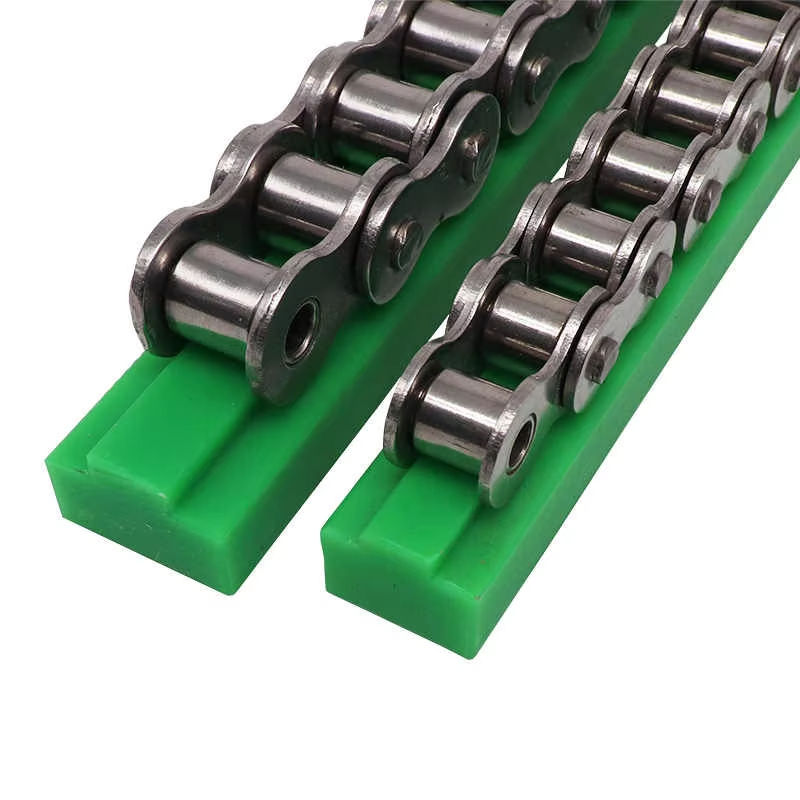
The Future of High-Speed Motion with Heavy-Duty Roller Guide Rails
As industries continue to push the boundaries of speed and precision, the demand for heavy-duty roller guide rails is only set to increase. Their ability to deliver high load capacities, low friction, and precise motion makes them an indispensable component in high-speed applications. By understanding their features, benefits, and proper maintenance, manufacturers can harness the full potential of these remarkable components and stay ahead in the competitive global market.