
- August 7, 2025
- Posted by: feinuojixie
- Category: Chain Guides News
No Comments
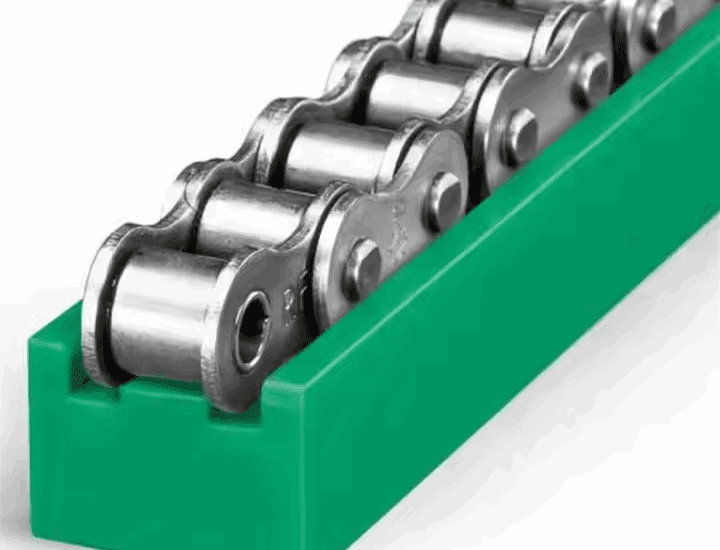
In the intricate world of precision machinery, every component plays a crucial role in ensuring seamless operation, accuracy, and productivity. Among these components, roller guide rails have emerged as a game – changer, offering a combination of low noise, high speed, and exceptional precision. In this blog post, we will delve into the world of roller guide rails, exploring their features, benefits, applications, and how to choose the best ones for your precision machinery needs.
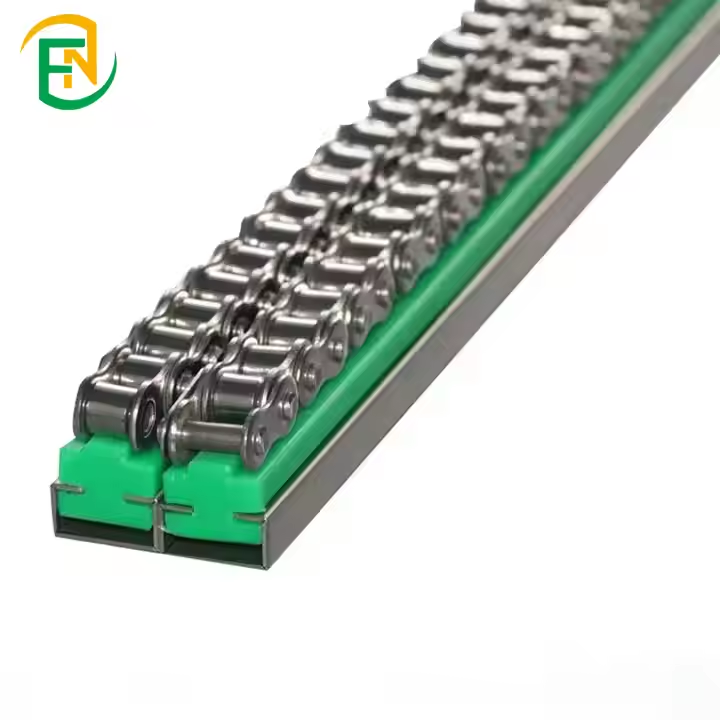
Understanding Roller Guide Rails
At their core, roller guide rails are a type of linear motion system that consists of a guide rail and a series of rollers. The guide rail serves as the track, while the rollers provide smooth and efficient movement along the rail. This design allows for high – load capacity, low friction, and precise positioning, making roller guide rails ideal for a wide range of precision machinery applications.
There are two main types of roller guide rails: recirculating and non – recirculating. Recirculating roller guide rails use a system of rollers that continuously circulate within the guide rail, providing a smooth and consistent motion. Non – recirculating roller guide rails, on the other hand, use a fixed set of rollers that do not circulate, offering a more rigid and stable structure.
The working mechanism of roller guide rails is relatively simple. As the load is applied to the carriage, the rollers roll along the guide rail, reducing friction and allowing for smooth movement. The rollers are typically made of high – quality materials, such as steel or ceramic, to ensure durability and low wear.
The Importance of Low Noise in Precision Machinery
Noise is a common issue in many industrial environments, and it can have a significant impact on the performance and productivity of precision machinery. Excessive noise can cause distractions, fatigue, and even hearing loss for operators, as well as interfere with the accuracy and precision of machinery operations.
Low – noise roller guide rails are designed to minimize noise generation, providing a quieter and more comfortable working environment. By reducing noise, these guide rails can improve the overall performance of precision machinery, allowing for more accurate and consistent operation. Additionally, low – noise roller guide rails can help to extend the lifespan of equipment by reducing stress and wear on components.
There are several technologies and design features used in modern roller guide rails to minimize noise generation. These include precision – ground surfaces, advanced lubrication systems, and optimized roller designs. By combining these features, manufacturers are able to create roller guide rails that offer exceptional performance and minimal noise.
Achieving High – Speed Performance
In today’s fast – paced manufacturing environment, the demand for high – speed operation in precision machinery is constantly increasing. High – speed performance is essential for improving productivity, reducing cycle times, and meeting tight production schedules.
Roller guide rails play a crucial role in achieving high – speed performance in precision machinery. Their low – friction design and high – load capacity allow for smooth and efficient movement at high speeds, without sacrificing accuracy or precision. However, there are several factors that can affect the speed of roller guide rails, including load capacity, lubrication, and roller design.
To optimize the high – speed performance of roller guide rails, it is important to choose the right components and ensure proper installation and maintenance. This includes selecting guide rails with a high – speed rating, using high – quality lubricants, and ensuring that the rollers are properly aligned and adjusted. Additionally, regular maintenance and inspection can help to identify and address any issues that may affect the performance of the guide rails.
Advantages of the Ultimate Roller Guide Rails for Precision Machinery
The ultimate roller guide rails offer a wide range of advantages for precision machinery applications. These include enhanced precision and accuracy, increased durability and reliability, and cost – efficiency.
One of the key advantages of the ultimate roller guide rails is their ability to ensure superior precision and accuracy in machinery operations. By reducing tolerances and minimizing backlash, these guide rails can help to improve the quality of products and reduce waste. Additionally, the high – speed performance of these guide rails allows for faster production times, without sacrificing accuracy.
Another advantage of the ultimate roller guide rails is their increased durability and reliability. These guide rails are designed to withstand heavy loads, harsh environments, and continuous operation, making them ideal for demanding industrial applications. Additionally, the use of high – quality materials and advanced manufacturing techniques ensures that these guide rails have a long lifespan and require minimal maintenance.
Finally, the ultimate roller guide rails offer cost – efficiency in the long run. While the initial investment may be higher compared to other types of guide rails, the reduced maintenance costs, increased productivity, and extended equipment lifespan can result in significant savings over time.
Applications of Roller Guide Rails in Precision Machinery
Roller guide rails are used in a wide range of precision machinery applications, across various industries. Some of the most common applications include:
- Manufacturing Industry: In the manufacturing industry, roller guide rails are used in CNC machining centers, lathes, milling machines, and other types of machine tools. They are also used in assembly lines, robotic systems, and material handling equipment.
- Automation and Robotics: Roller guide rails play a crucial role in automation and robotics, enabling precise movement and positioning of robotic arms, linear stages, and other automated components. They are also used in pick – and – place systems, conveyor systems, and packaging equipment.
- Other Industries: Roller guide rails are also used in other industries, such as aerospace, medical equipment, and semiconductor manufacturing, where precision and high – speed operation are essential. In the aerospace industry, they are used in aircraft assembly, testing, and maintenance equipment. In the medical equipment industry, they are used in surgical robots, diagnostic equipment, and laboratory automation systems. In the semiconductor manufacturing industry, they are used in wafer handling equipment, inspection systems, and lithography tools.
Choosing the Right Roller Guide Rails
Choosing the right roller guide rails for your precision machinery needs can be a challenging task. There are several factors to consider, including load capacity, accuracy requirements, speed, environmental conditions, and budget.
One of the most important factors to consider when choosing roller guide rails is load capacity. The load capacity of the guide rails should be sufficient to support the weight of the load, as well as any additional forces that may be applied during operation. It is also important to consider the type of load, such as static or dynamic, and the distribution of the load along the guide rail.
Another important factor to consider is accuracy requirements. The accuracy of the roller guide rails will depend on several factors, including the precision of the manufacturing process, the quality of the materials used, and the design of the guide rails. It is important to choose guide rails that meet the accuracy requirements of your application, as even small errors can have a significant impact on the performance of the machinery.
Speed is also an important consideration when choosing roller guide rails. The speed rating of the guide rails should be sufficient to meet the requirements of your application, without sacrificing accuracy or precision. It is also important to consider the acceleration and deceleration rates of the guide rails, as well as the maximum speed that can be achieved.
Environmental conditions can also have a significant impact on the performance of roller guide rails. It is important to choose guide rails that are suitable for the operating environment, such as temperature, humidity, dust, and debris. Additionally, it may be necessary to use protective covers or enclosures to prevent damage to the guide rails.
Finally, budget is an important consideration when choosing roller guide rails. While it is important to choose high – quality guide rails that meet the requirements of your application, it is also important to consider the cost. There are several options available in the market, ranging from low – cost, standard – quality guide rails to high – end, custom – designed guide rails. It is important to choose the option that provides the best value for your money.

Maintenance and Care
Proper maintenance and care are essential for ensuring the long – term performance and reliability of roller guide rails. Regular maintenance can help to prevent wear and tear, reduce the risk of breakdowns, and extend the lifespan of the guide rails.
The maintenance schedule for roller guide rails will depend on several factors, including the operating environment, the frequency of use, and the load capacity. In general, it is recommended to perform regular inspections, lubrication, and cleaning of the guide rails.
Inspections should be performed on a regular basis to check for signs of wear, damage, or misalignment. This can include visual inspections, as well as the use of specialized tools and equipment. Any issues that are identified should be addressed immediately to prevent further damage to the guide rails.
Lubrication is also an important part of roller guide rail maintenance. Proper lubrication can help to reduce friction, prevent wear and tear, and extend the lifespan of the guide rails. The type of lubricant used will depend on the operating environment and the requirements of the application. It is important to follow the manufacturer’s recommendations for lubrication intervals and procedures.
Cleaning is another important aspect of roller guide rail maintenance. Regular cleaning can help to remove dirt, debris, and other contaminants that can accumulate on the guide rails, causing wear and tear. It is important to use the appropriate cleaning methods and materials, as some cleaning agents may damage the guide rails.
In addition to regular maintenance, it is also important to follow best practices for long – term performance. This includes proper storage, handling, and installation of the guide rails. It is also important to ensure that the guide rails are used within their specified load capacity and speed limits.
Conclusion
In conclusion, low noise, high – speed roller guide rails are the ultimate solution for precision machinery applications. Their unique combination of features and benefits makes them ideal for a wide range of industries and applications, where precision, accuracy, and productivity are essential.
By understanding the importance of roller guide rails, their features and benefits, and how to choose the right ones for your application, you can make an informed decision and select the best roller guide rails for your precision machinery needs. Additionally, proper maintenance and care can help to ensure the long – term performance and reliability of the guide rails, providing you with a cost – effective and efficient solution for your manufacturing operations.
So, if you’re looking to upgrade your precision machinery or improve the performance of your existing equipment, consider investing in low noise, high – speed roller guide rails. With their exceptional performance and reliability, they are sure to take your manufacturing operations to the next level.