
- August 7, 2025
- Posted by: feinuojixie
- Category: Chain Guides News

In the dynamic world of industrial machinery, where precision, durability, and reliability are non-negotiable, heavy-load roller guide rails stand as the unsung heroes. These unassuming components play a crucial role in ensuring the smooth and efficient operation of a wide range of equipment, from heavy-duty manufacturing machinery to large-scale construction equipment. In tough environments, where extreme temperatures, dust, debris, and vibrations are the norm, the performance and longevity of these guide rails are put to the ultimate test. So, how do heavy-load roller guide rails manage to withstand such harsh conditions and continue to deliver exceptional performance?
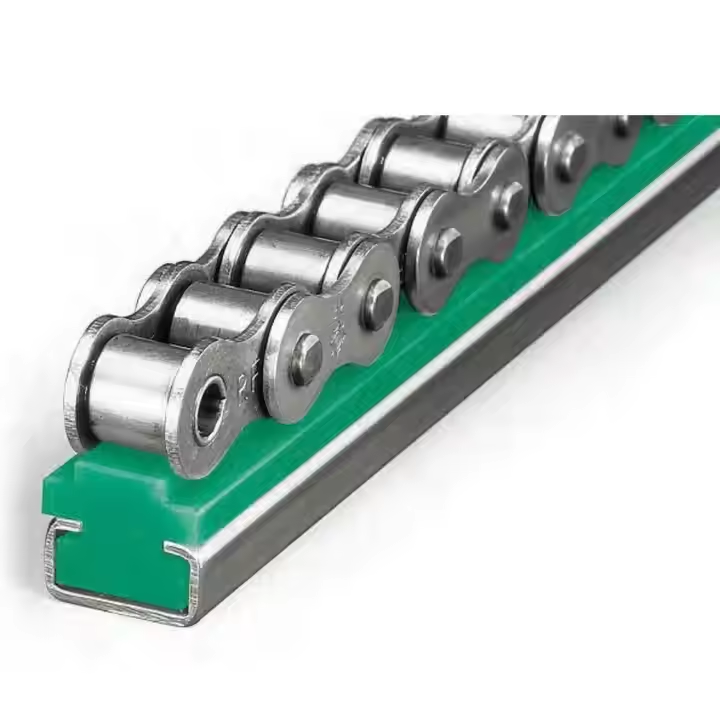
At their core, heavy-load roller guide rails are designed to support and guide heavy loads with minimal friction and maximum precision. The basic structure of a roller guide rail system consists of two main components: the rail and the roller carriage. The rail, typically made of high-strength steel, serves as the track along which the roller carriage moves. The roller carriage, on the other hand, houses the rollers that make contact with the rail. These rollers are usually made of hardened steel or ceramic and are designed to roll smoothly along the rail, reducing friction and wear.
One of the key factors that contribute to the toughness of heavy-load roller guide rails is the materials used in their construction. High-strength steel is commonly used for the rails due to its excellent load-bearing capacity and resistance to deformation. Additionally, corrosion-resistant alloys, such as stainless steel and nickel-based alloys, are often used in environments where moisture, chemicals, or other corrosive substances are present. These materials not only protect the guide rails from rust and corrosion but also enhance their durability and lifespan.
In addition to the materials, the design features of heavy-load roller guide rails also play a crucial role in their ability to withstand tough environments. Precision-ground surfaces on the rails and rollers ensure smooth and accurate movement, reducing friction and wear. Sealed roller assemblies prevent dust, debris, and other contaminants from entering the guide rail system, protecting the components from damage and ensuring reliable operation. Furthermore, the use of advanced lubrication systems helps to reduce friction and wear, even in extreme conditions.
The versatility of heavy-load roller guide rails makes them suitable for a wide range of applications in tough environments. In the mining industry, for example, these guide rails are used in heavy-duty equipment such as excavators, loaders, and haul trucks. The harsh conditions of mining operations, including extreme temperatures, dust, and vibrations, can take a toll on the equipment. However, heavy-load roller guide rails are designed to withstand these challenges, providing reliable and efficient operation even in the most demanding environments.
Similarly, in the construction industry, heavy-load roller guide rails are used in equipment such as cranes, bulldozers, and concrete pumps. The ability of these guide rails to support heavy loads and withstand the rigors of construction sites makes them an essential component of modern construction equipment. In manufacturing plants, heavy-load roller guide rails are used in conveyor systems, machine tools, and automated assembly lines. The precision and reliability of these guide rails ensure smooth and efficient production processes, reducing downtime and increasing productivity.
The advantages of heavy-load roller guide rails in harsh conditions are numerous. Their high load capacity allows them to support heavy loads without deformation or failure, ensuring the safety and reliability of the equipment. The low friction of these guide rails reduces energy consumption and wear, resulting in lower operating costs and longer service life. Additionally, the precision and accuracy of heavy-load roller guide rails enable smooth and precise movement, improving the quality and efficiency of the manufacturing process.
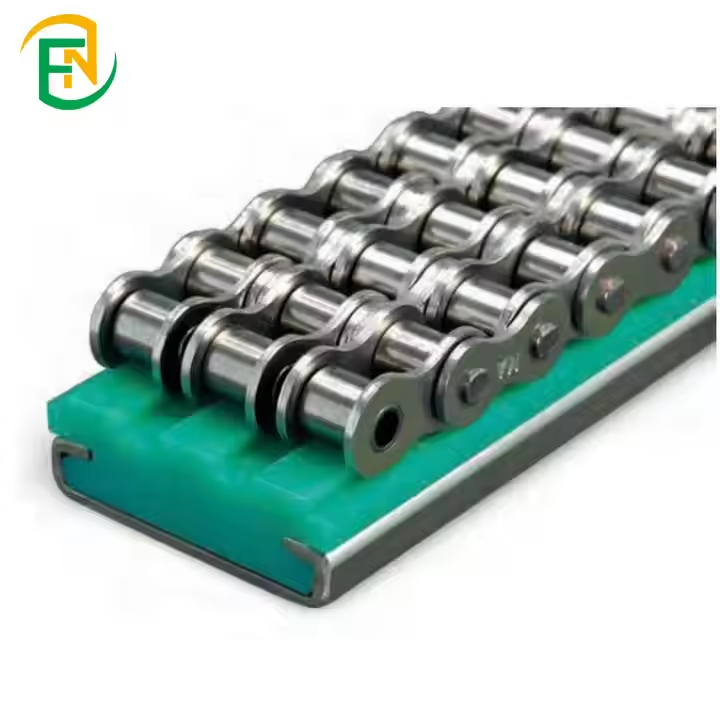
To ensure the longevity and optimal performance of heavy-load roller guide rails in tough environments, regular maintenance and care are essential. This includes periodic inspection of the guide rails for signs of wear, damage, or misalignment. Lubrication of the rollers and rails is also crucial to reduce friction and prevent premature wear. Cleaning the guide rails and removing any dust, debris, or contaminants is another important maintenance task. By following these maintenance practices, operators can extend the lifespan of the guide rails and minimize the risk of breakdowns and costly repairs.
As technology continues to evolve, so do the capabilities of heavy-load roller guide rails. Manufacturers are constantly developing new materials, design features, and manufacturing techniques to improve the performance and reliability of these guide rails in tough environments. For example, the use of advanced coatings and surface treatments can enhance the corrosion resistance and wear resistance of the guide rails. Additionally, the integration of sensors and monitoring systems can provide real-time data on the condition of the guide rails, enabling predictive maintenance and preventing unexpected failures.
In conclusion, heavy-load roller guide rails are an indispensable component of industrial machinery in tough environments. Their ability to withstand extreme temperatures, dust, debris, and vibrations, while providing reliable and efficient operation, makes them essential for a wide range of applications. By understanding the materials, design features, and maintenance requirements of these guide rails, operators can ensure their longevity and optimal performance, maximizing productivity and minimizing downtime. As technology continues to advance, the future of heavy-load roller guide rails looks promising, with new innovations and solutions on the horizon to meet the evolving needs of industries worldwide.