
- August 11, 2025
- Posted by: feinuojixie
- Category: Chain Guides News
No Comments

In the realm of machinery and equipment, achieving smooth sliding motion is crucial for optimal performance. Guide rails play a pivotal role in this process, and among the various options available, roller guide rails and plastic guide rails are two popular choices. This blog post aims to explore why plastic guide rails stand out as a cost-effective solution for smooth sliding, comparing them with their roller guide rail counterparts.
Understanding Guide Rails: The Basics
What are Guide Rails?
Guide rails are linear motion components that provide support and guidance for moving parts in machinery, ensuring smooth and precise movement along a straight path. They are essential in a wide range of applications, from industrial manufacturing equipment to office furniture.
Types of Guide Rails
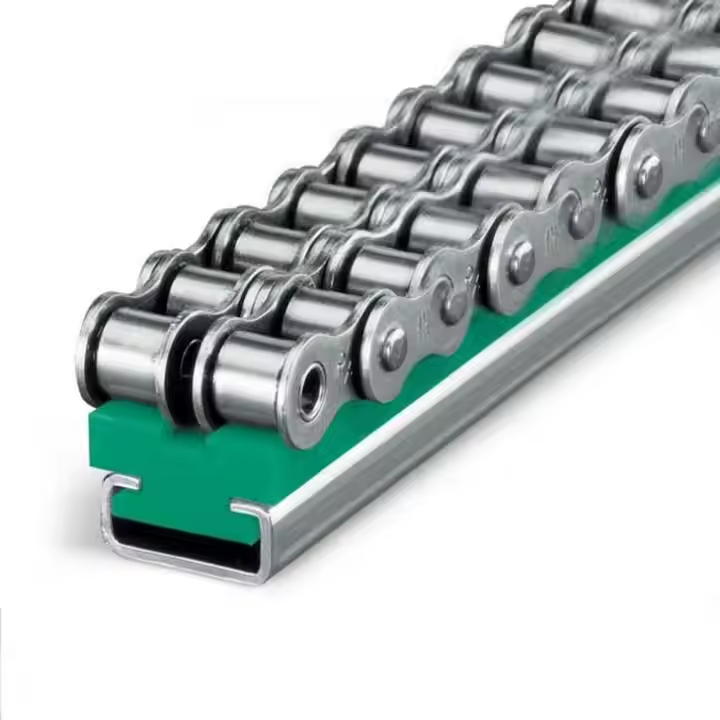
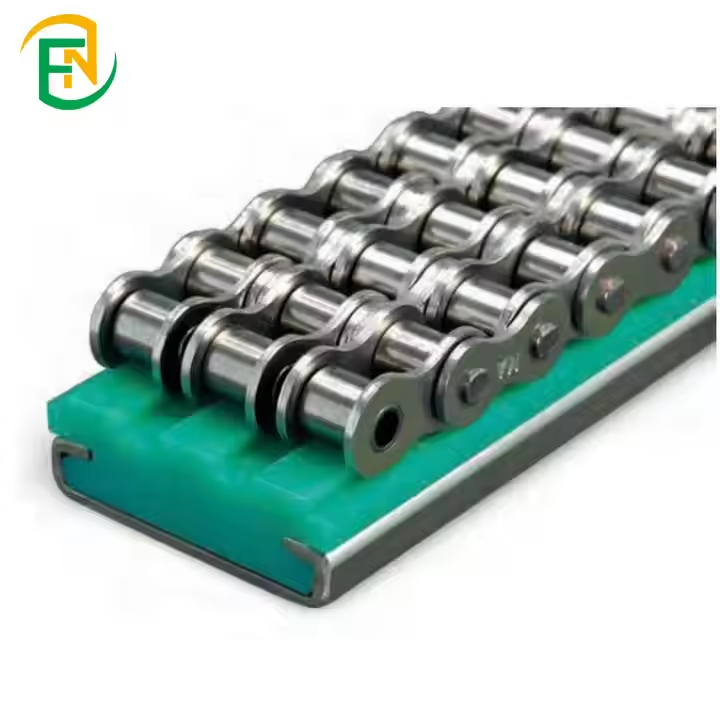
There are several types of guide rails, with roller guide rails and plastic guide rails being two common varieties. Roller guide rails use rolling elements, such as balls or rollers, to reduce friction and enable smooth movement. Plastic guide rails, on the other hand, are made from high-performance polymers and offer unique advantages in terms of cost, functionality, and durability.
Roller Guide Rails: An Overview
How Roller Guide Rails Work
Roller guide rails consist of a rail and a carriage with rolling elements placed between them. As the carriage moves along the rail, the rolling elements reduce friction, allowing for efficient and smooth linear motion. This design is often favored in applications that require high load-carrying capacity and precision.
Advantages of Roller Guide Rails
Roller guide rails offer excellent load-bearing capabilities, making them suitable for heavy-duty applications. They also provide high precision and repeatability, which is crucial in manufacturing processes where accuracy is paramount. Additionally, they can handle high speeds without significant wear and tear.
Disadvantages of Roller Guide Rails
Despite their many benefits, roller guide rails come with some drawbacks. They are generally more expensive to purchase and install compared to plastic guide rails. Maintenance costs can also be high, as the rolling elements require regular lubrication and inspection to prevent premature wear. Moreover, they are more sensitive to contaminants, which can affect their performance.
Plastic Guide Rails: A Closer Look
Composition and Design
Plastic guide rails are typically made from engineered plastics like PTFE (polytetrafluoroethylene), UHMWPE (ultra-high-molecular-weight polyethylene), or nylon. These materials are chosen for their low friction coefficients, excellent wear resistance, and self-lubricating properties. The design of plastic guide rails is often simpler, reducing the number of components and assembly complexity.
Advantages of Plastic Guide Rails
One of the key advantages of plastic guide rails is their cost-effectiveness. They are significantly cheaper to produce and install, making them an attractive option for budget-conscious projects. Their self-lubricating nature eliminates the need for frequent lubrication, reducing maintenance costs and downtime. Plastic guide rails are also resistant to corrosion, making them suitable for use in harsh environments. Additionally, they offer good noise reduction properties, creating a quieter working environment.
Applications of Plastic Guide Rails
Plastic guide rails are widely used in various industries. In the automotive industry, they are used in components such as seat sliders and door tracks. In the furniture industry, they enable smooth sliding of drawers and cabinet doors. They are also found in medical equipment, where their low friction and cleanliness are highly valued.
Cost Comparison: Plastic Guide Rails vs. Roller Guide Rails
Initial Purchase Cost
The initial purchase cost of plastic guide rails is much lower than that of roller guide rails. The simpler manufacturing process and use of cost-effective materials contribute to this price difference. This makes plastic guide rails a more accessible option for small and medium-sized businesses or projects with limited budgets.
Installation Cost
Installation of plastic guide rails is generally quicker and easier, further reducing costs. Their lightweight and straightforward design mean less time and labor are required for installation compared to the more complex roller guide rail systems.
Maintenance Cost
As mentioned earlier, plastic guide rails require minimal maintenance due to their self-lubricating properties. In contrast, roller guide rails need regular lubrication, inspection, and replacement of worn parts, resulting in higher long-term maintenance costs.
Total Cost of Ownership
When considering the total cost of ownership, including initial purchase, installation, and maintenance, plastic guide rails offer a more cost-effective solution over the long run. Their lower costs combined with reliable performance make them a smart choice for many applications.
Ensuring Smooth Sliding with Plastic Guide Rails
Design Considerations
To achieve the best smooth sliding performance with plastic guide rails, proper design is essential. Factors such as the load capacity requirements, operating environment, and movement speed need to be taken into account during the design phase.
Compatibility with Other Components
Ensuring compatibility between plastic guide rails and other components in the system is crucial. This includes choosing the right type of carriage, fasteners, and other accessories to ensure seamless operation.
Quality Control and Testing
Manufacturers should implement strict quality control measures and conduct thorough testing to ensure that the plastic guide rails meet the required performance standards. This helps guarantee smooth sliding and long service life.
The Cost-Effective Choice for Smooth Sliding
In conclusion, while roller guide rails have their merits, plastic guide rails offer a compelling combination of cost-effectiveness, functionality, and durability for smooth sliding applications. Their lower initial costs, easy installation, and minimal maintenance requirements make them an attractive option across a wide range of industries. When considering guide rail solutions, businesses and engineers should carefully evaluate their needs and consider the many benefits that plastic guide rails can bring to their projects.