
- August 14, 2025
- Posted by: feinuojixie
- Category: Chain Guides News

In the intricate web of industrial operations, chain guides serve as the unsung heroes, silently yet powerfully ensuring the seamless movement of chains in a diverse range of applications. From the rhythmic flow of conveyor belts in food processing plants to the heavy-duty operations of construction machinery, chain guides play a pivotal role in enhancing efficiency, extending equipment lifespan, and ensuring safety. This blog post delves deep into the world of chain guides, exploring their significance across various industries and uncovering the key factors to consider when choosing and maintaining these essential components.
Understanding the Basics of Chain Guides
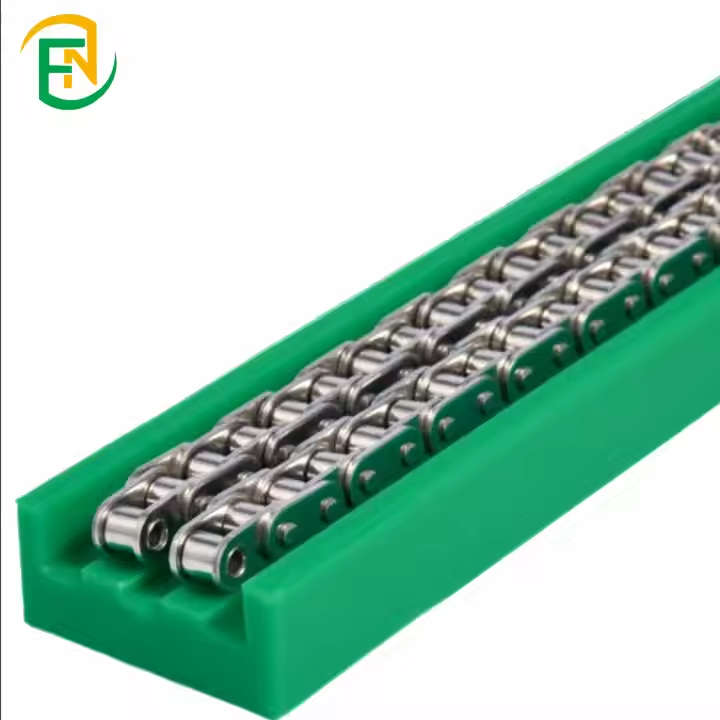
At their core, chain guides are specialized components designed to support and direct the movement of chains within industrial systems. These guides are typically made from durable materials such as polymers, metals, or composites, and are engineered to withstand the rigors of continuous operation. The primary function of chain guides is to prevent chain slippage, reduce friction, and ensure smooth and consistent chain movement, thereby optimizing the performance of the entire system.
Chain guides consist of several key components, each playing a crucial role in their functionality. The guiding channel, which is the main body of the guide, provides a precise path for the chain to follow, preventing it from deviating or derailing. The wear-resistant surface of the guide minimizes friction between the chain and the guide, reducing wear and tear and extending the lifespan of both components. Additionally, many chain guides feature integrated mounting systems that allow for easy installation and adjustment, ensuring a secure and reliable fit within the machinery.
The working principles of chain guides are based on the principles of mechanics and friction. By providing a smooth and consistent surface for the chain to glide along, chain guides reduce the amount of force required to move the chain, resulting in lower energy consumption and improved efficiency. The guiding channel also helps to distribute the load evenly across the chain, preventing premature wear and failure. In addition, chain guides can be designed with specific features such as self-aligning capabilities or adjustable tensioners to further enhance their performance and adaptability to different operating conditions.
The Indispensable Role of Chain Guides in Industrial Operations
The impact of chain guides on industrial operations cannot be overstated. In conveyor belt systems, for example, chain guides are essential for maintaining the proper alignment and tension of the conveyor chain, ensuring a smooth and continuous flow of materials. Without chain guides, conveyor belts are prone to slippage, misalignment, and premature wear, leading to costly downtime and reduced productivity. By providing precise guidance and support, chain guides help to minimize these issues, allowing for efficient and reliable material handling.
In heavy machinery applications, chain guides are equally crucial for ensuring the safe and efficient operation of equipment. Construction machinery, such as excavators and cranes, rely on chains to transmit power and movement, and any malfunction or failure of these chains can have serious consequences. Chain guides help to prevent chain derailment, reduce wear and tear, and ensure that the chains remain properly aligned and tensioned, even under heavy loads and demanding operating conditions. This not only improves the performance and reliability of the machinery but also enhances the safety of operators and workers on the job site.
Another important role of chain guides is in extending the lifespan of industrial equipment. By reducing friction and wear, chain guides help to minimize the stress and strain on chains and related components, such as sprockets and bearings. This, in turn, reduces the frequency of maintenance and replacement, resulting in significant cost savings over the long term. Additionally, chain guides can help to prevent damage to the equipment caused by chain failures, such as chain breakage or derailment, which can lead to costly repairs and downtime.
Chain Guides in the Conveyor Belt Industry
The conveyor belt industry is one of the largest and most diverse industries that rely on chain guides. In the food and beverage manufacturing sector, chain guides are used to ensure the hygienic and efficient movement of food products along conveyor belts. These guides are typically made from food-grade materials that are resistant to corrosion, chemicals, and bacteria, ensuring that they meet the strict hygiene standards of the industry. Additionally, chain guides in food processing applications are often designed with smooth surfaces and rounded edges to prevent product damage and facilitate easy cleaning.
In the packaging and logistics industry, chain guides play a crucial role in high-speed packaging lines and logistics conveyor networks. These guides are designed to withstand the high speeds and heavy loads associated with these applications, ensuring reliable and efficient material handling. Chain guides in packaging and logistics applications are often customized to meet the specific requirements of the equipment, such as the type of packaging materials being used or the size and weight of the products being transported. This customization allows for optimal performance and efficiency, reducing the risk of downtime and increasing productivity.
Warehouse automation is another area where chain guides are widely used. In automated storage and retrieval systems (AS/RS), chain guides are used to guide the movement of automated guided vehicles (AGVs) and other robotic equipment. These guides are essential for ensuring the precise and accurate movement of the equipment, allowing for efficient storage and retrieval of goods. Chain guides in AS/RS applications are often designed with advanced features such as sensors and feedback systems to monitor the position and movement of the equipment, ensuring safe and reliable operation.
Chain Guides in Heavy Machinery Applications
The heavy machinery industry is another sector that relies heavily on chain guides. In construction equipment, such as excavators, loaders, and cranes, chain guides are used to provide stability and precision during heavy-duty tasks. These guides are typically made from high-strength materials that can withstand the extreme forces and vibrations associated with construction operations. Chain guides in construction equipment are often designed with multiple layers of protection to prevent wear and tear, such as wear-resistant coatings and reinforced structures.
In the mining industry, chain guides are used to ensure the reliable performance of mining machinery in harsh and abrasive environments. These guides are typically made from materials that are resistant to corrosion, abrasion, and impact, such as tungsten carbide or ceramic composites. Chain guides in mining applications are often designed with specialized features such as self-cleaning mechanisms and anti-static properties to prevent the buildup of dirt, dust, and static electricity, which can cause problems in mining operations.
The agricultural industry also benefits from the use of chain guides in a variety of equipment, such as tractors, harvesters, and other farming machinery. These guides are used to ensure the smooth and efficient operation of the equipment, reducing the risk of breakdowns and increasing productivity. Chain guides in agricultural applications are often designed with features such as adjustable tensioners and quick-release mechanisms to facilitate easy maintenance and repair.
Choosing the Right Chain Guides for Your Industry
Selecting the right chain guides for your industry is a critical decision that can have a significant impact on the performance and reliability of your equipment. When choosing chain guides, it is important to consider several factors, including the type of application, the operating conditions, and the specific requirements of your equipment.
One of the most important factors to consider when choosing chain guides is the material. Different materials offer different levels of performance and durability, and the choice of material will depend on the specific requirements of your application. For example, in food and beverage manufacturing applications, food-grade polymers are often preferred due to their resistance to corrosion, chemicals, and bacteria. In heavy machinery applications, metals such as steel or aluminum are commonly used due to their high strength and durability.
Another important factor to consider is the design of the chain guide. The design of the chain guide will depend on the type of chain being used, the speed and load capacity of the equipment, and the specific requirements of the application. For example, in high-speed applications, chain guides with low-friction surfaces and precise tolerances are required to ensure smooth and efficient chain movement. In heavy-duty applications, chain guides with robust structures and high load-bearing capacities are necessary to withstand the extreme forces and vibrations.
Customization is also an important consideration when choosing chain guides. Many chain guide manufacturers offer customization options to meet the specific needs of their customers, such as specialized shapes, sizes, or materials. Customization can help to ensure that the chain guides are a perfect fit for your equipment, improving performance and reducing the risk of downtime.
Maintenance and Longevity of Chain Guides
Proper maintenance is essential for ensuring the longevity and performance of chain guides. Regular inspection and lubrication are key to preventing wear and tear, reducing friction, and extending the lifespan of the chain guides. When inspecting chain guides, it is important to look for signs of wear, such as cracks, chips, or excessive wear on the guiding surface. If any damage or wear is detected, the chain guides should be replaced immediately to prevent further damage to the equipment.
Lubrication is also an important part of chain guide maintenance. Proper lubrication helps to reduce friction between the chain and the guide, preventing wear and tear and extending the lifespan of both components. When lubricating chain guides, it is important to use the recommended lubricant and to follow the manufacturer’s instructions for application. Over-lubrication can also cause problems, such as the buildup of dirt and debris, so it is important to apply the lubricant in the correct amount.
In addition to regular inspection and lubrication, it is also important to follow the manufacturer’s recommended maintenance schedule for your chain guides. This may include replacing the chain guides at regular intervals, depending on the operating conditions and the type of application. By following the recommended maintenance schedule, you can help to ensure that your chain guides remain in good condition and continue to perform at their best.

Innovations and Future Trends in Chain Guide Technology
The field of chain guide technology is constantly evolving, with new innovations and advancements being developed all the time. One of the most significant trends in recent years has been the development of smart chain guides, which are equipped with sensors and other advanced technologies to monitor the performance and condition of the chain guides in real-time. These smart chain guides can provide valuable insights into the operation of the equipment, allowing for predictive maintenance and proactive problem-solving.
Another trend in chain guide technology is the use of advanced materials. New materials are being developed all the time that offer enhanced performance and durability, such as high-strength polymers, composites, and ceramics. These materials are being used to create chain guides that are lighter, stronger, and more resistant to wear and tear, improving the performance and efficiency of industrial equipment.
Sustainability is also becoming an increasingly important consideration in the development of chain guide technology. Manufacturers are now focusing on developing eco-friendly chain guide designs and materials that are recyclable, biodegradable, or made from renewable resources. These sustainable solutions not only help to reduce the environmental impact of industrial operations but also offer cost savings and other benefits to manufacturers and end-users.
In conclusion, chain guides are an essential component in a wide range of industrial applications, from conveyor belts to heavy machinery. By understanding the basics of chain guides, their role in industrial operations, and the key factors to consider when choosing and maintaining them, you can ensure the optimal performance and reliability of your equipment. With the continuous advancements in chain guide technology, the future looks bright for these unsung heroes of the industrial world, offering even greater efficiency, durability, and sustainability in the years to come.