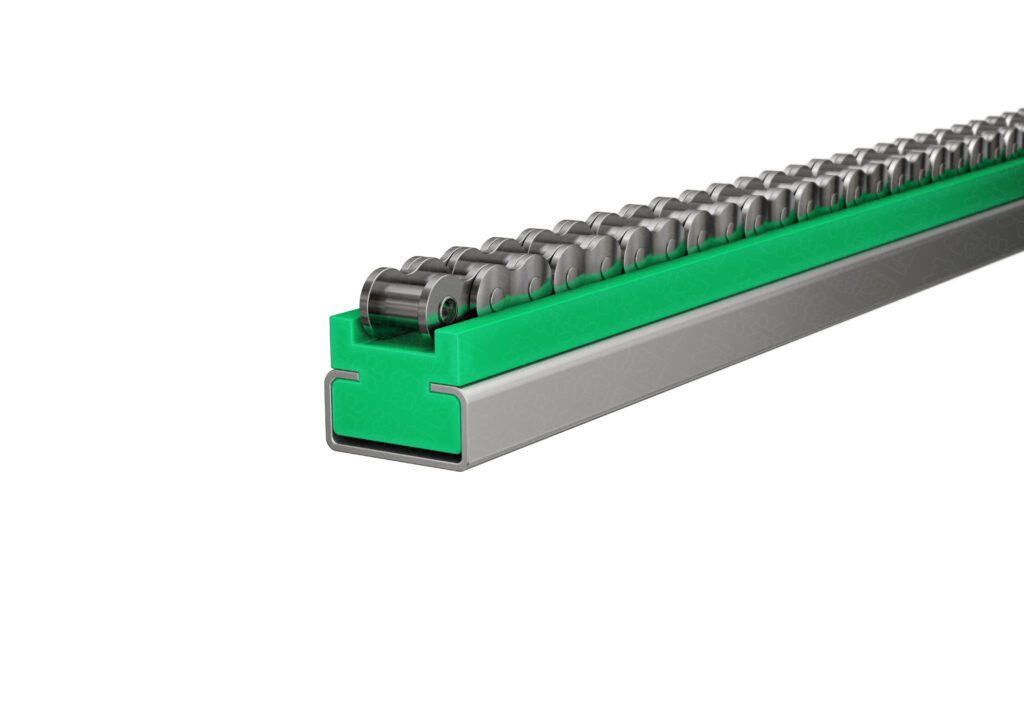
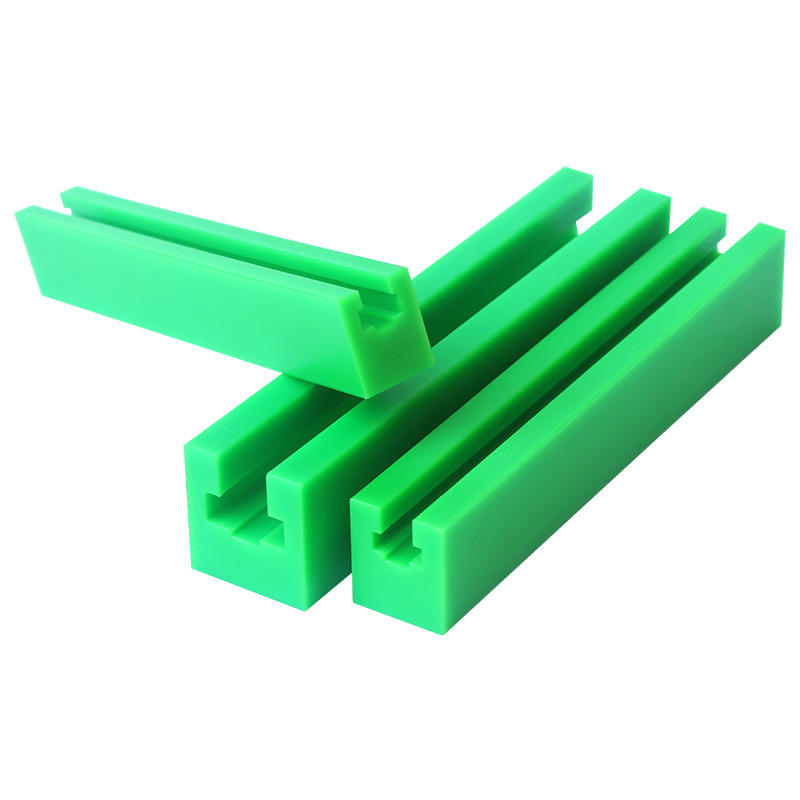
In the fast-paced world of food & beverage processing, every component of the production line plays a vital role in ensuring efficiency, safety, and product quality—and guide rail is no exception. From guiding fresh produce through washing and sorting stations to keeping packaged beverages aligned on conveyor belts, guide rail acts as the unsung hero that maintains consistency, prevents bottlenecks, and keeps operations running smoothly. For decades, metal guide rail has been the go-to choice for many facilities, thanks to its perceived durability and strength. However, as the industry evolves and strict food safety regulations become more rigorous, a shift is underway: more and more processors are turning to plastic guide rail for its unmatched performance in this unique environment. This blog dives deep into the key reasons why plastic guide rail outperforms metal in food & beverage processing, exploring how it addresses critical pain points—from contamination risks to high maintenance costs—and delivers long-term value that metal simply cannot match. Whether you’re managing a bakery, dairy plant, beverage bottler, or fresh food facility, understanding the benefits of plastic guide rail could transform your operations for the better.
Non-Porous Surface of Plastic Guide Rails Prevents Contamination Risks
Food safety is non-negotiable in food & beverage processing, and contamination risks can bring operations to a halt—along with costly recalls and damaged reputations. Here, plastic guide rail shines, thanks to its non-porous surface. Unlike metal guide rail, which over time develops tiny micro-scratches from regular use, cleaning, or product contact, plastic guide rail has a smooth, seamless surface that leaves no hiding spots for bacteria, food particles, or moisture. Bacteria like Salmonella or Listeria thrive in the crevices of metal guide rail, where sanitizers often can’t reach, creating a persistent contamination risk. Plastic guide rail eliminates this issue: its non-porous nature means even after repeated use, there’s no space for harmful pathogens to colonize. This feature isn’t just a convenience—it’s a compliance necessity. Regulatory bodies like the FDA (U.S. Food and Drug Administration) and the EU’s 10/2011 regulation mandate that equipment in food processing facilities be “easy to clean and sanitize to prevent cross-contamination,” and plastic guide rail meets these standards effortlessly, giving facility managers peace of mind.
Simplified Cleaning Protocols with Plastic Guide Rails
Cleaning and sanitization are constant tasks in food & beverage processing, and the choice of guide rail directly impacts how much time, labor, and resources these tasks require. Metal guide rail often struggles with harsh sanitizing chemicals—common options like chlorine, hydrogen peroxide, or caustic cleaners can corrode or discolor metal over time, weakening the material and creating even more spaces for contamination. Plastic guide rail, by contrast, is highly resistant to these chemicals. It won’t rust, peel, or degrade when exposed to standard sanitizing solutions, meaning facilities can stick to their required cleaning protocols without damaging the guide rail. Additionally, the smooth surface of plastic guide rail allows sanitizers to glide across easily, reducing the time needed to scrub or wipe down the component. For example, a dairy plant using metal guide rail might spend 30 minutes cleaning and inspecting each section of rail; with plastic guide rail, that time could drop to 15 minutes or less. This not only cuts down on labor costs but also reduces downtime between production runs—keeping the line moving and boosting overall efficiency.
Food & beverage processing environments are tough on equipment: constant exposure to water (from washing stations, steam, or product moisture), acidic substances (like citrus juices, tomato puree, or vinegar), and alkaline cleaners creates a perfect storm for corrosion—especially for metal guide rail. Over time, metal guide rail will rust, pit, or degrade when in contact with these elements. A canning facility, for instance, might find metal guide rail rusting within months of use due to daily exposure to water and acidic fruit juices. This corrosion doesn’t just damage the guide rail—it also poses a contamination risk, as rust particles can flake off into products. Plastic guide rail, however, is inherently resistant to moisture and chemicals. Materials like nylon, polyethylene, or PTFE (polytetrafluoroethylene) don’t absorb water, and they won’t react with acids, bases, or sanitizers. This means plastic guide rail maintains its structural integrity and clean appearance even after years of use in harsh processing environments, eliminating both corrosion-related damage and contamination risks.
No Need for Corrosion-Resistant Coatings on Plastic Guide Rails
To combat corrosion, many facilities use metal guide rail with specialized coatings—such as chrome plating, stainless steel cladding, or epoxy paints. While these coatings can extend the life of metal guide rail, they come with significant drawbacks. First, they add to the cost: a coated metal guide rail can be 2–3 times more expensive than an uncoated one. Second, coatings wear off over time, especially with frequent product contact or cleaning. Once a coating chips or scratches, the underlying metal is exposed to moisture and chemicals, leading to rapid corrosion. This means facilities must regularly inspect coated metal guide rail for damage and reapply coatings every few years—adding more labor and cost to maintenance. Plastic guide rail eliminates the need for these coatings entirely. Its corrosion resistance is built into the material, not added as a layer. This means no extra upfront cost for coatings, no ongoing inspections for wear, and no need for re-coating. For a beverage bottling plant, this could translate to thousands of dollars in savings over the life of the guide rail, along with less downtime for maintenance.
Reduced Product Damage: Gentle Handling with Plastic Guide Rails
Low Friction Surface of Plastic Guide Rails Minimizes Scratching
Product quality is just as important as food safety in food & beverage processing—even a small scratch or dent can make a product unsellable, leading to wasted resources and lost revenue. Metal guide rail, with its hard, high-friction surface, is a common culprit behind product damage. For example, a bakery using metal guide rail to convey fresh rolls might find that the rolls get scratched or marked as they rub against the metal, making them unappealing to customers. Similarly, a produce facility might see bruises on soft fruits like peaches or tomatoes when they come into contact with metal guide rail. Plastic guide rail solves this problem with its low-friction, smooth surface. The material is softer than metal, and its slick texture allows products to glide along the guide rail without rubbing or catching. This is especially beneficial for delicate products—like baked goods, fresh produce, or plastic-packaged snacks—that are prone to scratching. A study by a leading food processing association found that facilities switching from metal to plastic guide rail reduced product damage by 30–50% for delicate items, significantly cutting down on waste and improving product quality.
Shock Absorption Properties of Plastic Guide Rails
Even with careful alignment, production lines can experience minor vibrations or shifts—especially during high-speed operation. Metal guide rail, being rigid and inflexible, doesn’t absorb these shocks. Instead, it transfers the impact directly to products, which can lead to breakage. A glass bottle facility, for instance, might see bottles cracking or shattering when they hit metal guide rail during a sudden line shift. Plastic guide rail, by contrast, has natural shock absorption properties. Its slight flexibility allows it to absorb minor impacts, rather than transferring them to products. This is particularly useful for fragile items like glass containers, ceramic jars, or delicate snacks (such as potato chips or cookies). For example, a snack food plant using plastic guide rail reported a 40% reduction in broken chips after switching from metal, as the plastic absorbed the small vibrations and shifts that would otherwise cause chips to crack against rigid metal. This not only reduces waste but also improves customer satisfaction, as products arrive on shelves intact and in perfect condition.
Lower Maintenance and Operational Costs
Fewer Repairs and Replacements for Plastic Guide Rails
Maintenance costs can quickly add up in food & beverage processing, and metal guide rail is a major contributor to these costs. As we’ve already discussed, metal guide rail corrodes, chips, and wears down over time—leading to frequent repairs. A meat processing facility, for example, might need to replace sections of metal guide rail every 6–12 months due to rust and corrosion, and they might spend hours each week fixing bent or damaged parts. These repairs not only cost money for parts and labor but also cause downtime, as the production line must be shut down while the guide rail is fixed. Plastic guide rail, with its durability and resistance to damage, requires far fewer repairs. Most plastic guide rail can last 3–5 years (or longer) in harsh processing environments without needing replacement. This means fewer interruptions to production, less money spent on replacement parts, and lower labor costs for maintenance. For a large food processing facility, this could mean savings of $10,000 or more per year on guide rail-related maintenance.
Lightweight Design of Plastic Guide Rails Eases Installation and Handling
Installing or adjusting guide rail is a common task in food & beverage facilities—whether setting up a new production line or modifying an existing one. Metal guide rail is heavy: a 10-foot section of stainless steel guide rail can weigh 20–30 pounds, making it difficult for workers to handle alone. This not only slows down installation but also increases the risk of worker injury—such as back strains or falls—when lifting or positioning the guide rail. Plastic guide rail, by contrast, is significantly lighter. A 10-foot section of nylon or polyethylene guide rail typically weighs just 5–10 pounds, making it easy for one worker to carry and install. This speeds up installation time: a team that takes 8 hours to install metal guide rail might finish installing plastic guide rail in 4 hours or less. Additionally, the lightweight design makes it easier to adjust or remove the guide rail for cleaning or maintenance. For example, a salad processing facility might need to remove guide rail weekly to clean hard-to-reach areas; with plastic guide rail, workers can do this quickly and safely, without needing extra help or heavy lifting equipment. This not only reduces labor costs but also improves workplace safety—a win-win for facility managers.
Compatibility with Diverse Food & Beverage Applications
Versatility Across Temperature Ranges
Food & beverage processing involves a wide range of temperatures—from freezing cold (in ice cream production or frozen food processing) to extremely hot (in baking, pasteurization, or sterilization). Metal guide rail can handle some temperature extremes, but it has limits: for example, standard steel guide rail might become brittle in freezing temperatures, while aluminum guide rail can warp at high temperatures. Plastic guide rail, however, is available in materials that are designed to withstand diverse temperature ranges. For high-temperature applications—like a bakery’s oven-conveyor line—materials such as PEEK (polyether ether ketone) or modified nylon can handle temperatures up to 500°F (260°C) without warping or degrading. For low-temperature applications—like a frozen pizza facility—polyethylene or polypropylene plastic guide rail remains flexible even at temperatures as low as -40°F (-40°C), avoiding brittleness. This versatility means plastic guide rail can be used in almost any part of a food & beverage production line, from the freezer to the oven. A pasta manufacturing facility, for instance, uses plastic guide rail both in its refrigerated dough storage area and in its high-temperature drying ovens—something that would require two different types of metal guide rail (and higher costs) to achieve.
Customization Options for Plastic Guide Rails
Every food & beverage facility has unique production line layouts—curved conveyors, specialized sorting stations, or custom packaging lines—that require guide rail to fit specific shapes and sizes. Metal guide rail is difficult to customize: bending or shaping metal often requires specialized equipment (like a metal brake or laser cutter) and skilled labor, which adds time and cost. Additionally, metal guide rail can’t be molded into complex shapes, limiting design options. Plastic guide rail, by contrast, is highly customizable. It can be injection-molded, extruded, or machined into almost any shape—curved sections, notched edges, or specialized grooves—to fit a facility’s exact needs. For example, a chocolate factory with a curved conveyor line might need guide rail with a 90-degree bend; a plastic guide rail manufacturer can easily mold this shape, whereas a metal guide rail would require cutting and welding (which adds weak points and contamination risks). Customization also extends to size: plastic guide rail can be made in any length or width, from small sections for a snack packaging line to long runs for a produce sorting facility. This flexibility means plastic guide rail can adapt to a facility’s unique layout, rather than forcing the facility to adapt to the limitations of metal guide rail.
Case Study: Real-World Success of Plastic Guide Rails in Food Processing
To see the benefits of plastic guide rail in action, let’s look at a case study from a mid-sized dairy plant in the Midwest U.S. The plant produces a range of products—milk, yogurt, and cheese—and had been using stainless steel guide rail for its conveyor lines for over a decade. By 2022, the plant was facing two major issues: frequent corrosion on the metal guide rail (due to daily exposure to water and acidic yogurt) and high levels of product damage (yogurt cups were getting scratched or dented as they moved along the metal rail). The plant was spending approximately $12,000 per year on replacing corroded metal guide rail and losing an additional $8,000 per year to damaged products. In early 2023, the plant switched to nylon plastic guide rail. Within six months, the results were dramatic: corrosion was completely eliminated, and product damage dropped by 60%. The plant’s annual maintenance costs for guide rail fell to $3,000 (a 75% reduction), and product waste losses dropped to $3,200 (a 60% reduction). Additionally, the plant reported that cleaning time for the guide rail was cut in half, and workers found the lightweight plastic rail easier to install and adjust. By the end of 2023, the plant estimated that the switch to plastic guide rail had saved them over $13,800—and they planned to replace all remaining metal guide rail with plastic in 2024. This case study is just one example of how plastic guide rail delivers tangible, bottom-line benefits for food & beverage facilities.
Why Plastic Guide Rails Are the Future of Food & Beverage Processing
For decades, metal guide rail was the default choice in food & beverage processing—but as we’ve explored, plastic guide rail offers a host of advantages that metal simply can’t match. From its non-porous surface that meets strict hygiene standards to its corrosion resistance that withstands harsh environments, plastic guide rail addresses the most critical pain points facing food & beverage facilities today. It reduces product damage, cuts maintenance costs, and offers the versatility to fit almost any application—whether you’re processing delicate baked goods, acidic fruits, or frozen meals. The real-world case study of the dairy plant further proves these benefits: plastic guide rail isn’t just a “nice-to-have”—it’s a cost-effective, safety-focused solution that improves efficiency and product quality. As food & beverage regulations become more stringent and consumers demand higher quality products, the shift to plastic guide rail will only accelerate. For facility managers looking to reduce costs, minimize risk, and future-proof their operations, plastic guide rail is the clear choice. If you haven’t yet considered plastic guide rail for your facility, now is the time to explore your options. Consult with a reputable plastic guide rail manufacturer to discuss your specific needs—whether you require custom shapes, high-temperature resistance, or food-grade materials—and discover how plastic guide rail can transform your production line for the better. The future of food & beverage processing is clean, efficient, and durable—and it starts with plastic guide rail.
How can we help you?
You can contact your account manager directly or submit a business inquiry online.