
- September 1, 2025
- Posted by: feinuojixie
- Category: Chain Guides News
No Comments
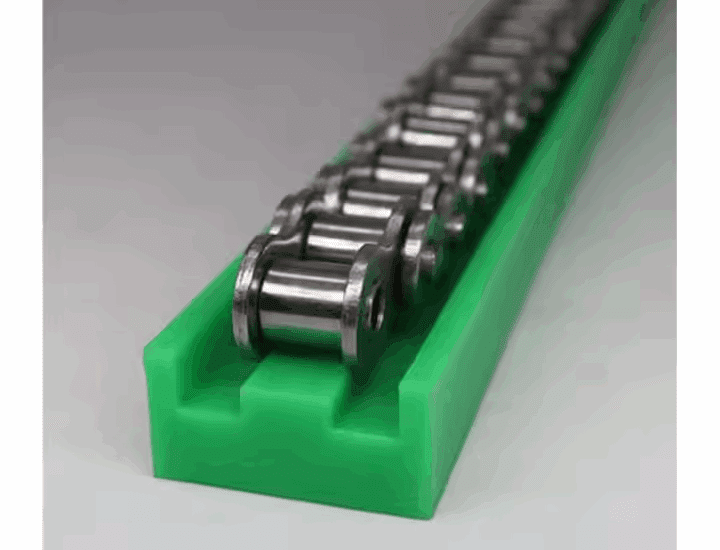
In various machinery and equipment, material-related issues often disrupt operations. From excessive wear and tear to corrosion problems, these troubles can lead to frequent breakdowns, increased maintenance costs, and reduced efficiency. This is where plastic guide rail comes into play, offering a promising solution to many of these common material headaches. This section will briefly introduce the prevalence of material issues in machinery and hint at how plastic guide rail can address them.

Understanding the Common Material Headaches in Industrial Settings
Wear and Tear: A Persistent Foe for Traditional Rails
Traditional metal rails are prone to wear due to constant friction between moving parts. Over time, this wear leads to decreased precision, increased noise, and the need for frequent replacements. The rough surfaces and hard textures of metals contribute to this ongoing problem, making wear and tear a major concern for industrial operations.
Corrosion: The Silent Destroyer of Metal Components
Metal rails are highly susceptible to corrosion, especially in environments with moisture, chemicals, or high humidity. Corrosion weakens the structure of the rails, compromises their performance, and shortens their lifespan. This not only affects the functionality of the machinery but also adds significant costs for repairs and replacements.
Weight Issues: How Heavy Rails Impact Machinery Performance
Heavy metal rails add extra weight to machinery, which can have a negative impact on overall performance. Increased weight requires more energy to operate the machinery, leading to higher energy consumption. It also puts more strain on other components, potentially causing premature failure and reducing the machinery’s agility and efficiency.
Noise Pollution: The Unwanted Byproduct of Metal-on-Metal Contact
When metal rails come into contact with other metal parts, it generates a significant amount of noise. This noise pollution can create an unpleasant working environment for employees, leading to increased stress and potential hearing damage. It can also be a nuisance in areas where noise levels need to be controlled.
Why Plastic Guide Rail is the Answer to These Headaches
The Unique Properties of Plastic That Combat Wear
Plastic guide rail has inherent properties that make it highly resistant to wear. Its smooth surface reduces friction between moving parts, minimizing the amount of wear and tear. Additionally, certain types of plastic used in guide rails have self-lubricating properties, further reducing friction and extending the lifespan of the rail and associated components.
How Plastic Resists Corrosion in Various Environments
Unlike metal, plastic is not susceptible to corrosion. It can withstand exposure to moisture, chemicals, and harsh environmental conditions without deteriorating. This makes plastic guide rail an ideal choice for applications in industries such as food processing, pharmaceuticals, and wastewater treatment, where corrosion is a constant threat.
Lightweight Advantage: Enhancing Machinery Efficiency with Plastic Guide Rail
Plastic guide rail is significantly lighter than metal rails. This reduced weight machinery’s burden, allowing it to operate more efficiently with less energy consumption. The lighter weight also makes installation and maintenance easier, saving time and labor costs.
Reducing Noise: The Quiet Operation of Plastic Guide Rail
The smooth surface and non-metallic nature of plastic guide rail result in much quieter operation compared to metal rails. When plastic comes into contact with other materials, the noise generated is significantly reduced, creating a more peaceful working environment and reducing the risk of noise-related issues.
Real-World Applications: Plastic Guide Rail in Action
Manufacturing Industry: Streamlining Processes with Plastic Guide Rail
In manufacturing facilities, plastic guide rail is used in conveyor systems, assembly lines, and robotic equipment. Its wear resistance and low friction ensure smooth movement of products and components, reducing downtime and increasing productivity. The corrosion resistance of plastic also makes it suitable for use in environments where cleaning agents and lubricants are frequently used.
Food and Beverage Sector: Meeting Hygiene and Durability Standards with Plastic Guide Rail
The food and beverage industry requires equipment that meets strict hygiene standards. Plastic guide rail is easy to clean and sanitize, making it ideal for use in conveyor systems that transport food products. It is also resistant to corrosion from food acids and cleaning chemicals, ensuring long-term durability and reliability.
Medical Equipment: Precision and Reliability with Plastic Guide Rail
Medical equipment demands high precision and reliability. Plastic guide rail is used in devices such as hospital beds, surgical tables, and diagnostic equipment. Its smooth movement and low friction ensure accurate positioning, while its corrosion resistance and lightweight properties make it suitable for use in sterile environments.
Choosing the Right Plastic Guide Rail for Your Needs
Factors to Consider When Selecting Plastic Guide Rail
When choosing a plastic guide rail, several factors need to be considered, including the application environment, load requirements, temperature range, and movement speed. It is important to select a plastic material that is compatible with the specific conditions of the application to ensure optimal performance and longevity.
Different Types of Plastic Used in Guide Rails and Their Benefits
There are various types of plastic used in the manufacturing of guide rails, each with its own unique benefits. For example, nylon guide rails offer excellent wear resistance and self-lubrication, while acetal guide rails provide high strength and dimensional stability. Polypropylene guide rails are lightweight and resistant to chemicals, making them suitable for a wide range of applications. Understanding the properties of each type of plastic can help in selecting the right guide rail for the job.

Embracing Plastic Guide Rail for a Hassle-Free Material Solution
Plastic guide rail has proven to be an effective solution to the common material headaches faced in various industries. Its ability to combat wear, resist corrosion, reduce weight, and minimize noise makes it a superior alternative to traditional metal rails. By embracing plastic guide rail, businesses can improve machinery performance, reduce maintenance costs, and create a more efficient and pleasant working environment. It is clear that plastic guide rail is the way forward for solving material-related issues in industrial settings.