
- September 2, 2025
- Posted by: feinuojixie
- Category: Chain Guides News
No Comments

In the world of material handling, conveyor systems are the backbone of productivity—but they can’t perform at their best alone. Enter the guide rail for conveyor: a component often overlooked, yet critical to keeping operations on track. This blog explores why this unassuming part is non-negotiable for efficiency, safety, and cost-effectiveness in any material handling setup.

What Is a Guide Rail for Conveyor, and How Does It Work?
A guide rail for conveyor is a structural component mounted alongside or above a conveyor belt or roller system. Its primary role is to direct, align, and stabilize items as they move through the conveyor path. Made from materials like steel, aluminum, or plastic, it acts as a physical barrier to prevent products from shifting, tipping, or falling off the conveyor—ensuring each item stays on course from start to finish.
Preventing Product Damage: The First Line of Defense
One of the costliest risks in material handling is product damage. Misaligned items on a conveyor can collide with each other, scrape against machinery, or tumble off the belt, leading to broken goods, wasted resources, and lost revenue. A guide rail for conveyor eliminates this risk by keeping products centered and separated, reducing friction and impact. For fragile items like electronics or glassware, this protection is not just helpful—it’s essential.
Boosting Throughput: Keeping Conveyors Moving at Optimal Speed
Efficiency thrives on consistency, and a guide rail for conveyor is key to maintaining steady workflow. Without proper guidance, items may jam, slow down, or require manual intervention to reposition—all of which disrupt the conveyor’s rhythm and reduce throughput. By ensuring products flow smoothly without interruptions, guide rail allows conveyors to operate at their maximum designed speed, increasing the volume of materials handled in a given time.
Enhancing Workplace Safety: Reducing Risks for Operators
Safety is non-negotiable in material handling environments, and guide rail for conveyor plays a vital role in protecting workers. Loose or misaligned items can fall off conveyors, creating trip hazards or causing injuries from falling objects. Additionally, frequent manual adjustments to fix jams expose operators to moving parts, increasing the risk of accidents. Guide rail minimizes these risks by securing items in place, reducing the need for hands-on intervention and creating a safer workspace.
Extending Equipment Lifespan: Reducing Wear and Tear
Conveyor systems are significant investments, and protecting their longevity is essential for cost management. Misaligned products can rub against conveyor frames, rollers, or belts, causing unnecessary wear and tear that leads to premature breakdowns and costly repairs. Guide rail for conveyor redirects this friction away from critical components, distributing pressure evenly and reducing strain on the system. Over time, this proactive protection extends the conveyor’s lifespan, lowering long-term maintenance costs.
Adapting to Diverse Applications: Versatility in Design
Material handling needs vary widely—from small packages in logistics to heavy industrial parts in manufacturing. Guide rail for conveyor is designed to adapt to these diverse applications, with customizable options for height, width, and material. Whether handling irregularly shaped items, high-temperature goods, or corrosive materials, there’s a guide rail solution tailored to the task. This versatility ensures that no matter the industry, conveyor systems can be optimized for efficiency.
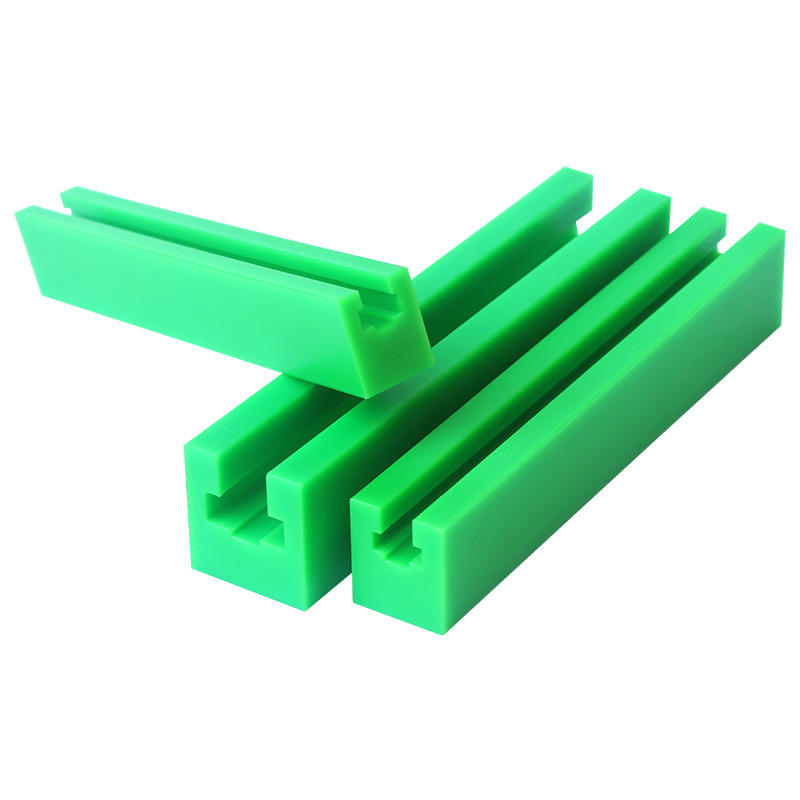
Investing in Guide Rail for Long-Term Efficiency
Guide rail for conveyor may not be the most glamorous component in material handling, but its impact on efficiency, safety, and cost-effectiveness is undeniable. By preventing damage, boosting throughput, enhancing safety, extending equipment life, and adapting to diverse needs, guide rail proves itself as a non-negotiable element of any well-functioning conveyor system. For businesses looking to maximize productivity and minimize risks, investing in quality guide rail is not just a choice—it’s a necessity.