
- September 3, 2025
- Posted by: feinuojixie
- Category: Chain Guides News
No Comments

The guide rail for conveyors is a yet crucial component in material handling systems, ensuring products move smoothly, stay aligned, and avoid jams. A poorly installed guide rail can lead to costly downtime, damaged goods, and even safety hazards. In this blog, we’ll explore five common mistakes that occur during the installation of guide rail for conveyors and how to avoid them, helping you maintain efficiency and reliability in your operations.

Ignoring the Conveyor’s Specific Load and Speed Requirements When Choosing Guide Rail for Conveyors
One of the first missteps happens before installation even begins: selecting a guide rail for conveyors that doesn’t match the conveyor’s load capacity and operational speed. Each conveyor system is designed to handle a specific range of weights and speeds, and the guide rail must be robust enough to withstand these conditions. Using a lightweight guide rail for heavy loads or high-speed operations can cause it to bend, warp, or break over time, leading to product misalignment and potential system failures. To prevent this, always check the manufacturer’s specifications for both the conveyor and the guide rail, ensuring they are compatible in terms of load-bearing capacity and speed ratings.
Incorrect Spacing Between Guide Rail for Conveyors and Conveyor Belt
Another frequent error is setting the guide rail for conveyors at the wrong distance from the conveyor belt or the products being transported. If the gap is too narrow, it can create friction between the product and the rail, causing scratches, dents, or even jams as items get stuck. On the other hand, a gap that’s too wide fails to provide adequate support, allowing products to shift, tip, or fall off the conveyor entirely. Achieving the right spacing requires careful measurement based on the size and shape of the products. It’s also important to account for any potential movement or vibration during operation, as these can affect how tightly the guide rail needs to be positioned to keep items secure.
Improper Alignment of Guide Rail for Conveyors Along the Conveyor Path
Even if the spacing is correct, a guide rail for conveyors that isn’t properly aligned with the conveyor path can lead to major issues. Misalignment often occurs when installers rush the process or fail to use precise measuring tools, resulting in a guide rail that curves, tilts, or veers off course relative to the belt. This can cause products to rub against one side of the rail excessively, leading to uneven wear on both the rail and the items being transported. Over time, this friction can damage the conveyor system itself, increasing maintenance costs and reducing its lifespan. To ensure proper alignment, use laser levels or straightedges to check the guide rail’s position at multiple points along the conveyor. Make adjustments as needed to keep it parallel to the belt and consistent with the intended path.
Using Inadequate Fasteners to Secure Guide Rail for Conveyors
The guide rail for conveyors is only as stable as the fasteners holding it in place. A common mistake is using low-quality or incorrectly sized bolts, screws, or brackets that can’t withstand the constant stress of the conveyor’s operation. Loose fasteners can cause the guide rail to shift over time, leading to misalignment, product jams, or even complete detachment. This not only disrupts workflow but also poses a safety risk to workers nearby. To avoid this, always use fasteners recommended by the guide rail and conveyor manufacturers, ensuring they are the right size and material for the application. Additionally, check and tighten fasteners regularly during maintenance to prevent them from coming loose due to vibration or wear.
Neglecting to Account for Environmental Factors When Installing Guide Rail for Conveyors
Environmental conditions can have a significant impact on the performance and durability of a guide rail for conveyors, yet they are often overlooked during installation. Factors such as temperature fluctuations, humidity, dust, and exposure to chemicals can cause the guide rail to expand, contract, corrode, or degrade prematurely. For example, in cold environments, metal guide rails may shrink, leading to gaps or misalignment, while high humidity can cause rust on unprotected metal surfaces. Similarly, in dusty or dirty settings, debris can build up between the guide rail and the conveyor belt, causing friction and jams. To address this, choose a guide rail material that’s suitable for the environment—such as stainless steel for wet or corrosive areas—and take steps to protect it, such as adding covers or using lubricants to prevent debris buildup. During installation, also consider how environmental changes might affect the guide rail’s fit and make adjustments accordingly, such as leaving small gaps to accommodate thermal expansion.
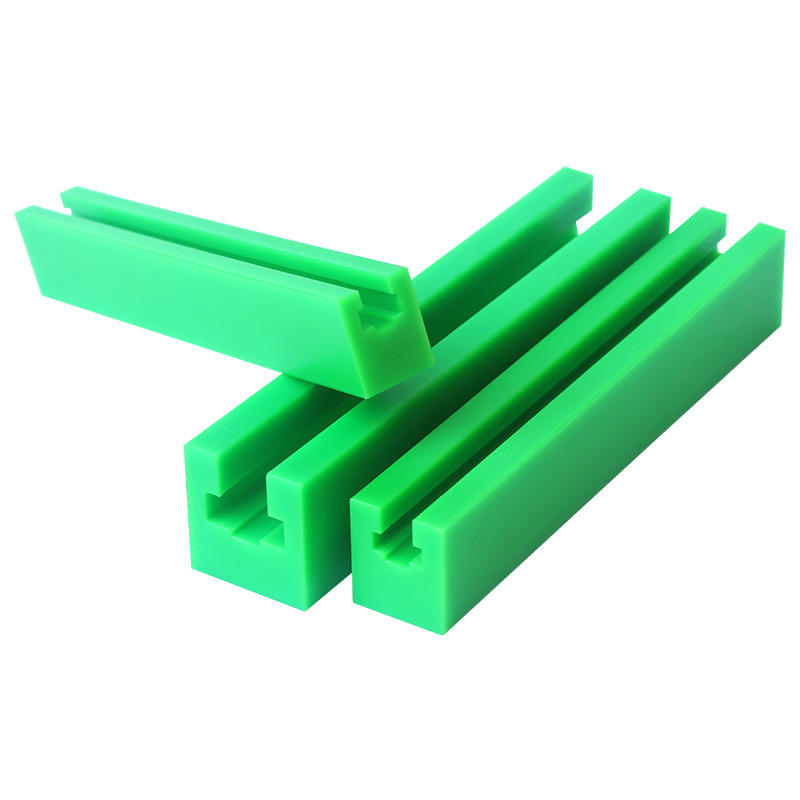
Ensuring Successful Installation of Guide Rail for Conveyors
Avoiding these five common mistakes is key to ensuring that your guide rail for conveyors functions effectively, keeping your material handling system running smoothly and efficiently. By selecting the right guide rail for your conveyor’s needs, maintaining proper spacing and alignment, using secure fasteners, and accounting for environmental factors, you can minimize downtime, reduce maintenance costs, and protect both your products and your equipment. Remember, a little attention to detail during installation goes a long way in maximizing the performance and lifespan of your guide rail for conveyors.