
- September 4, 2025
- Posted by: feinuojixie
- Category: Chain Guides News
No Comments

This section emphasizes the critical role of guide rail for conveyor in ensuring smooth material handling operations. It briefly explains how issues like jams and misalignments in the guide rail can disrupt productivity, increase downtime, and lead to additional costs. The introduction also teases the value of the troubleshooting guide, promising readers practical solutions to common problems they may face with their conveyor’s guide rail.
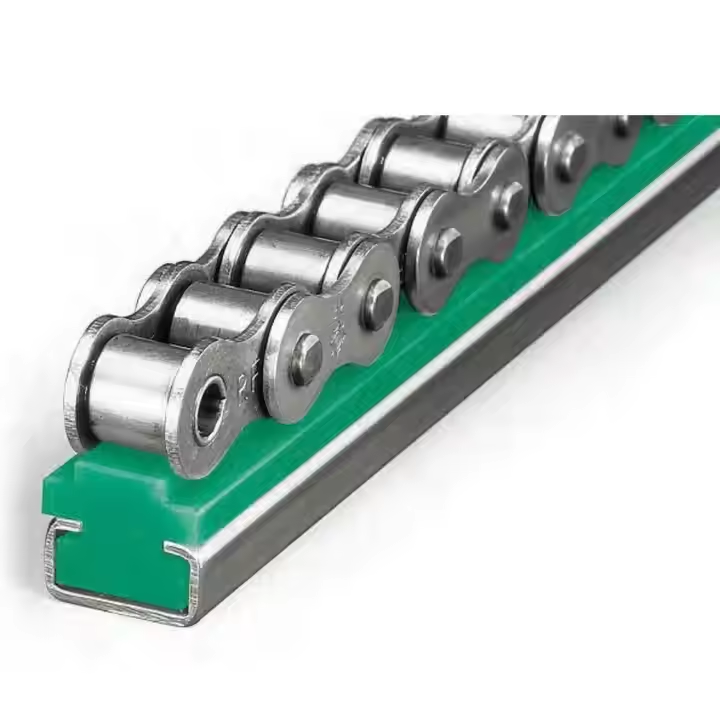
Understanding the Basics of Guide Rail for Conveyor: Key Components and Functions
Here, readers will learn about the fundamental parts that make up a guide rail for conveyor, such as the rail itself, fasteners, supports, and any attached wear strips. The section outlines the primary functions of the guide rail, including keeping the conveyed product on track, preventing lateral movement, and protecting the conveyor structure from damage. A brief overview of how these components work together helps readers grasp why certain issues arise, laying the groundwork for effective troubleshooting.
Common Issue 1: Identifying and Fixing Jams in Guide Rail for Conveyor
This subsection starts by defining what constitutes a jam in the guide rail for conveyor—such as a product getting stuck between the rail and the conveyor belt or roller. It then lists common causes of jams, including debris buildup, oversized products, or worn rail components. The troubleshooting steps outlined here include safely stopping the conveyor, removing debris or stuck products (using appropriate tools), and inspecting the guide rail for any damage that may have contributed to the jam. A brief note on preventing future jams (e.g., regular cleaning) is also included.
Common Issue 2: Diagnosing and Correcting Misalignments in Guide Rail for Conveyor
First, this section explains how to recognize misalignment in the guide rail for conveyor, such as uneven product movement, unusual noises (e.g., scraping), or visible gaps between the rail and the product. It then details potential causes, including loose fasteners, shifted supports, or wear on the rail’s edges. The troubleshooting process covers checking and tightening fasteners, adjusting support positions to realign the rail, and replacing any worn rail sections that can’t be adjusted. Tips on verifying proper alignment (e.g., using a straightedge) are also provided.
Common Issue 3: Addressing Wear and Tear in Guide Rail for Conveyor
This part focuses on identifying signs of wear in the guide rail for conveyor, such as smooth or cracked surfaces, reduced product stability, or increased friction. It discusses factors that accelerate wear, like abrasive products, high-speed operation, or inadequate lubrication (if applicable). Troubleshooting steps include assessing the extent of wear—replacing small worn sections or the entire rail if necessary—and implementing preventive measures, such as adding wear strips or adjusting conveyor speed to reduce stress on the rail.
Common Issue 4: Resolving Noise and Vibration Related to Guide Rail for Conveyor
Here, readers learn how to link excessive noise or vibration to problems with the guide rail for conveyor, such as misalignment, loose components, or worn parts. The section lists possible causes (e.g., a rail rubbing against the product, loose supports) and troubleshooting actions, including inspecting for misalignment (as covered earlier), tightening all fasteners, and adding vibration-dampening materials if needed. A brief reminder to check for other potential sources (e.g., conveyor rollers) ensures a comprehensive approach.
Preventive Maintenance Tips to Extend the Life of Guide Rail for Conveyor
This section shifts from troubleshooting to prevention, outlining routine maintenance tasks that keep the guide rail for conveyor in optimal condition. It includes steps like daily visual inspections (checking for debris, loose parts, or wear), weekly cleaning of the rail and surrounding area, monthly tightening of fasteners, and quarterly assessments of alignment and wear. The section also emphasizes the importance of documenting maintenance activities to track the rail’s performance over time and schedule replacements proactively.
Tools and Safety Precautions for Troubleshooting Guide Rail for Conveyor
This practical subsection lists essential tools for troubleshooting the guide rail for conveyor, such as wrenches (for fasteners), straightedges (for alignment checks), cleaning brushes, and safety gear (gloves, goggles, ear protection). It then highlights critical safety precautions, including shutting off power to the conveyor before working on the rail, locking out/tagging out equipment to prevent accidental startup, and using proper lifting techniques if removing heavy rail sections. These tips ensure readers can troubleshoot safely and effectively.
When to Call a Professional for Guide Rail for Conveyor Issues
Not all problems can be fixed with DIY troubleshooting. This section helps readers determine when to seek professional help, such as when misalignment is severe and requires specialized tools, when the guide rail is extensively damaged and needs custom replacement, or when troubleshooting doesn’t resolve the issue (indicating an underlying problem with the conveyor system). It also provides guidance on choosing a qualified technician, such as looking for experience with conveyor systems and specific knowledge of guide rail maintenance.
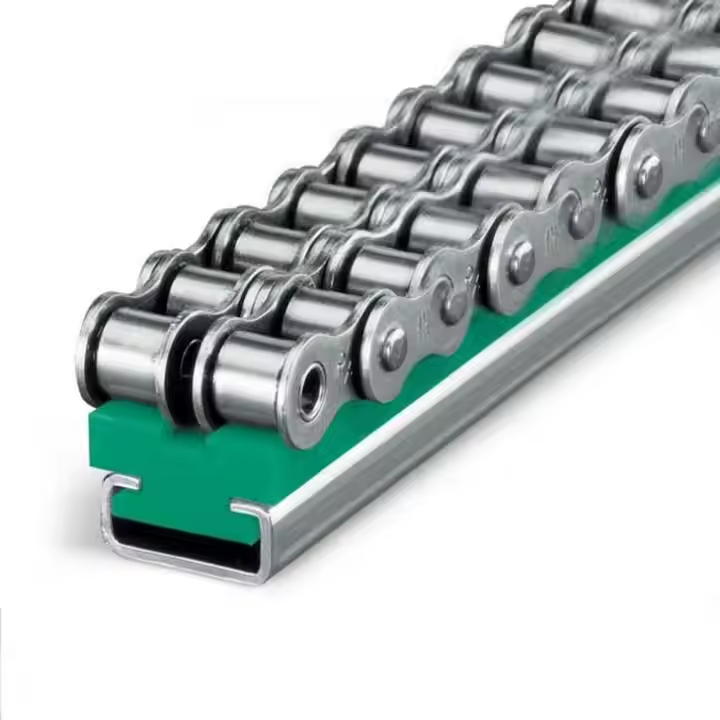
Mastering Troubleshooting for Your Guide Rail for Conveyor
The conclusion summarizes the key points of the guide, reinforcing the importance of proactive troubleshooting and maintenance for the guide rail for conveyor. It reminds readers that addressing issues like jams, misalignments, and wear early can save time, money, and reduce downtime. The section ends with an encouraging note, empowering readers to use the guide to keep their conveyor’s guide rail functioning smoothly and efficiently.