
- September 8, 2025
- Posted by: feinuojixie
- Category: Chain Guides News
Food processing plants are under constant pressure to deliver products quickly, safely, and cost-effectively. With machines running around the clock, even a minor disruption can lead to delays, increased expenses, and compromised quality. Managers often look for large-scale improvements, but sometimes the most effective changes come from small, overlooked components. A wear strip is one such example. Though simple in design, it plays a crucial role in ensuring smoother operation, reducing downtime, and helping facilities maintain high standards of efficiency.

What is a Wear Strip in Food Processing?
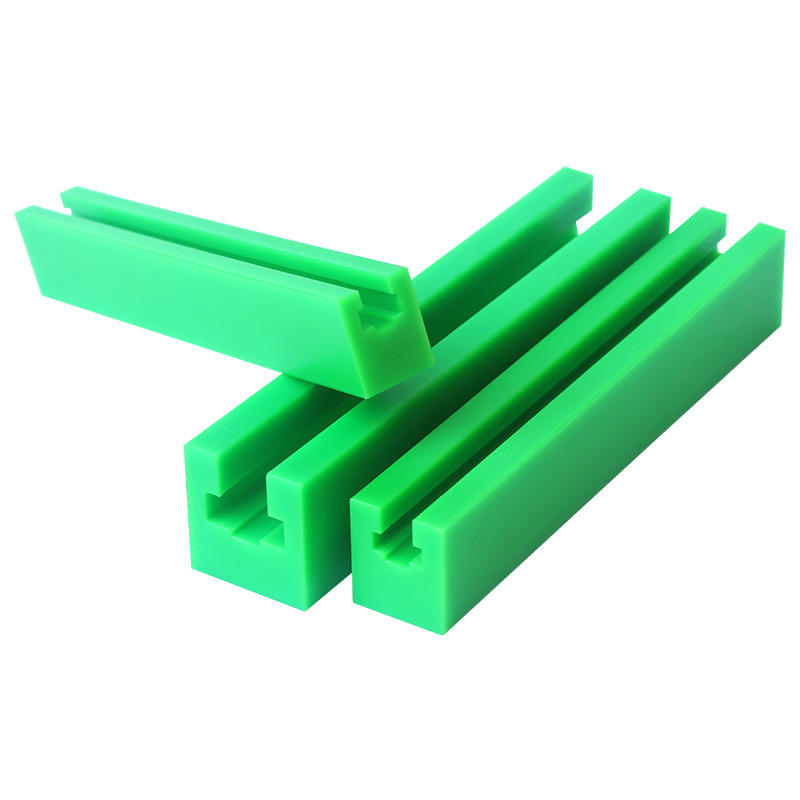
A wear strip is a guiding and protective component placed along conveyor systems where continuous motion occurs. Its main function is to reduce contact between moving parts, allowing equipment to operate smoothly. In food processing, wear strip is typically made from FDA-approved, food-grade materials such as UHMW polyethylene or nylon. These materials provide both durability and hygiene, making them essential in environments where both speed and cleanliness are top priorities.
Reducing Friction and Equipment Downtime with Wear Strip
In any conveyor or guiding system, friction is one of the main causes of equipment wear. When metal parts rub against one another or against a conveyor belt, it not only slows down movement but also causes surface damage that can lead to costly repairs. A wear strip reduces friction significantly, creating a smooth, low-resistance pathway for the conveyor belt and related components. By doing so, it minimizes breakdowns, lowers maintenance needs, and extends the lifespan of expensive machinery. This translates directly into reduced downtime and higher production efficiency.
Improving Hygiene and Safety Standards with Wear Strip
Food processing plants must maintain the highest hygiene and safety standards to protect consumers and meet regulatory demands. Wear strip contributes to this by being easy to clean and resistant to contamination. Its non-porous, smooth surface does not trap particles, reducing the risk of bacteria growth. Moreover, by keeping conveyor systems stable and smooth, it prevents sudden jams or accidents that could cause contamination or product damage. For managers concerned with both safety and compliance, wear strip is a practical solution that supports daily operations.
Boosting Productivity with Wear Strip in Conveyor Systems
A conveyor system that moves unevenly or suffers frequent jams can quickly reduce productivity. Wear strip ensures that products travel consistently along the conveyor line without sudden stops or disruptions. This smoother transfer reduces waste, prevents misalignment, and keeps employees from having to intervene manually. With reliable performance, the overall throughput of the plant increases, allowing workers to focus on more valuable tasks while maintaining the steady flow of goods.
Customization of Wear Strip for Food Processing Needs
Not all food processing environments are the same, which is why wear strip can be customized for specific applications. For example, UHMW wear strip works well in high-speed systems due to its excellent resistance to friction, while nylon options perform better in areas that require rigidity and toughness. Some designs incorporate stainless steel backing for added strength in demanding conditions. Whether the environment is cold, wet, or involves abrasive food products, tailored wear strip solutions ensure the best possible performance for each unique setup.
Long-Term Cost Efficiency and ROI of Wear Strip
While wear strip may seem like a small component, its long-term financial benefits are significant. By reducing friction, it lowers energy consumption. By minimizing wear, it decreases the frequency of costly repairs or part replacements. By improving efficiency, it increases production capacity without the need for major equipment upgrades. Over time, the return on investment is clear: facilities that use wear strip consistently save money, increase productivity, and improve the overall lifespan of their equipment.
A Small Component with a Big Impact
In food processing plants, efficiency is the key to success. While managers often focus on large machinery upgrades, small components like wear strip quietly make an enormous difference. From reducing downtime and maintenance costs to enhancing hygiene and productivity, the benefits are wide-ranging. A simple wear strip proves that sometimes the smallest details can drive the biggest improvements. For plant managers looking to optimize operations, considering wear strip is a smart step toward long-term efficiency and reliability.