
- September 8, 2025
- Posted by: feinuojixie
- Category: Chain Guides News
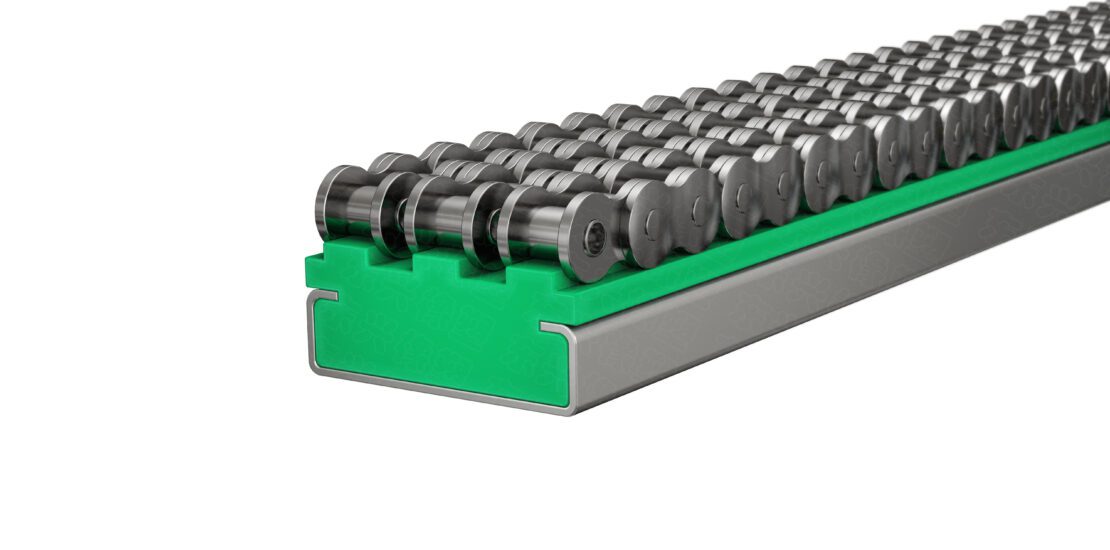
In any industry that relies on conveyors, machinery, or material handling equipment, the wear strip may seem like a small and simple component, but it plays an essential role in daily operations. Acting as a protective guide between moving parts, the right wear strip ensures smoother motion, reduces friction, and shields expensive equipment from unnecessary damage. Choosing the best wear strip for your application can mean the difference between constant maintenance headaches and a reliable, cost-efficient system.
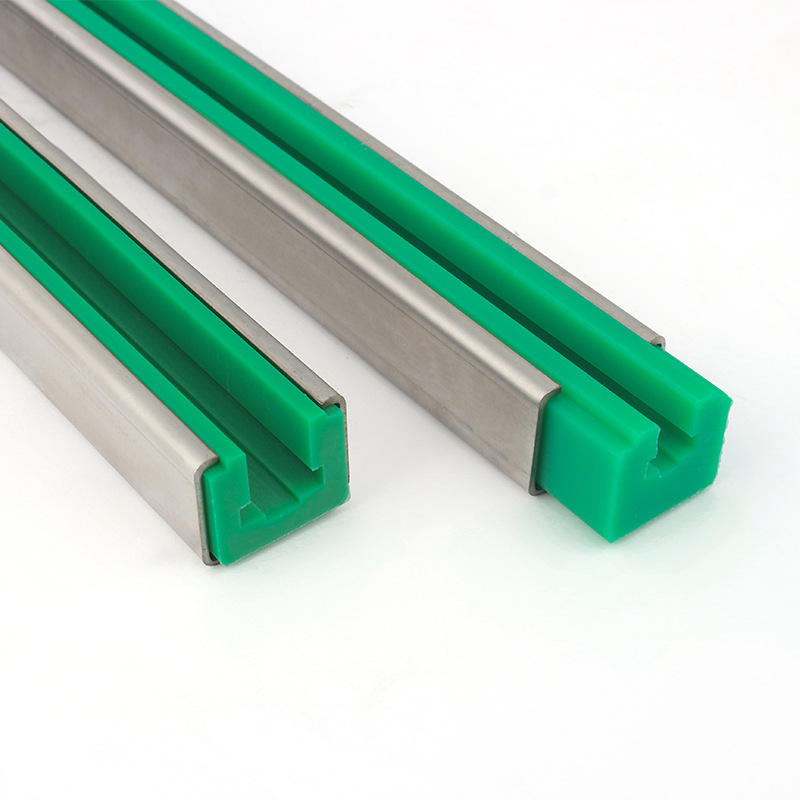
Understanding the Function of a Wear Strip
At its core, a wear strip is designed to reduce direct contact between moving components. By acting as a barrier, it minimizes friction, heat buildup, and abrasion that would otherwise wear down machinery. Beyond protection, the wear strip also stabilizes moving parts, ensuring they run smoothly and efficiently along conveyor systems or guide rails. This not only enhances machine performance but also ensures consistent product quality by preventing unnecessary jolts or misalignment.
Key Materials for Wear Strip Applications
The effectiveness of a wear strip often depends on the material selected. Different environments demand different properties, making material choice a critical factor.
-
UHMW wear strip: Ultra High Molecular Weight Polyethylene is known for its low friction surface, lightweight profile, and chemical resistance. It is especially suitable for conveyor systems in food processing and packaging where hygiene and efficiency are priorities.
-
Nylon wear strip: Stronger and tougher than UHMW, nylon offers excellent wear resistance and can handle higher loads. It is a preferred choice in heavy-duty environments such as automotive or industrial machinery.
-
Rubber wear strip: With superior impact absorption, rubber is ideal where vibration damping is required. It protects delicate products and reduces shock loads on equipment.
-
Metal wear strip: In environments with high temperatures or heavy abrasion, metal provides unmatched durability. Though heavier and sometimes noisier, it withstands extreme conditions where plastics or rubber may fail.
Factors to Consider When Choosing a Wear Strip
Selecting the best wear strip requires more than picking a material off the shelf. Several key factors influence performance:
-
Load capacity and wear resistance: Heavier applications demand stronger strips with higher resistance to abrasion.
-
Operating environment: Consider exposure to temperature extremes, moisture, or chemicals that may degrade certain materials.
-
Compatibility with conveyor or guide rail systems: A proper fit ensures smooth operation and prevents premature wear.
-
Maintenance requirements: Strips that are easy to replace or require minimal upkeep reduce downtime and labor costs.
Common Applications of a Wear Strip
Wear strips are versatile and can be found across many industries:
-
Food processing plants: They ensure safe, hygienic product handling while minimizing contamination risks.
-
Packaging industry: High-speed operations rely on wear strips to prevent product damage and keep conveyors running smoothly.
-
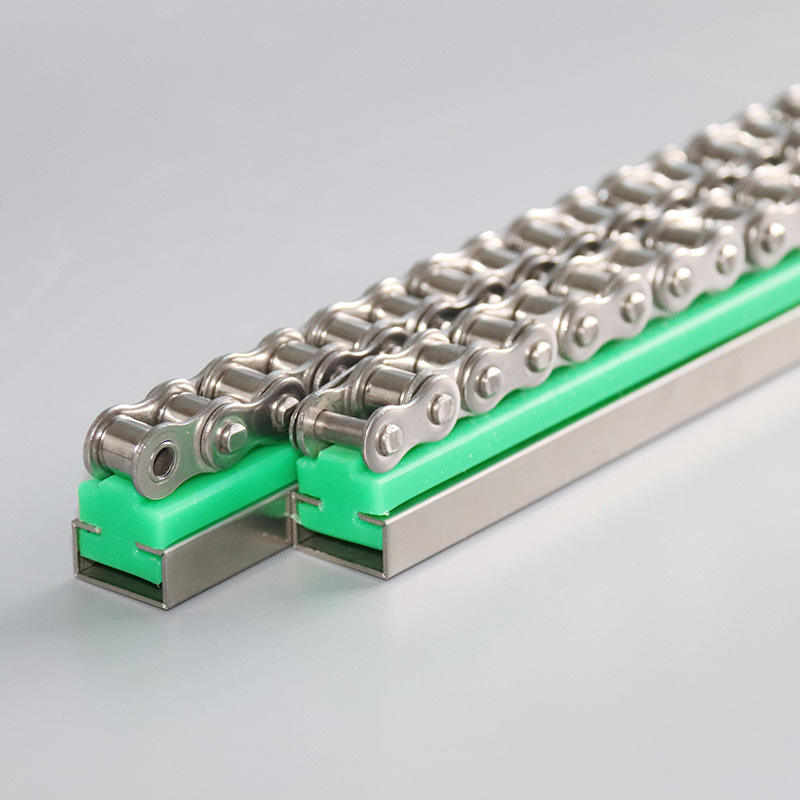
Warehouse conveyors: Strips protect chains and rails, extending their lifespan and reducing costly replacements.
-
Heavy machinery: By absorbing shock and reducing impact, they prevent component failure under demanding conditions.
Benefits of Choosing the Right Wear Strip
The advantages of selecting the right wear strip are both immediate and long-term:
-
Equipment life is extended by reducing direct wear on expensive components.
-
Efficiency improves as conveyors and machinery run with less friction and downtime.
-
Safety and product quality are maintained, lowering the risk of breakdowns or damage.
Expert Tips for Selecting the Best Wear Strip
Choosing wisely involves a balance of technical knowledge and practical experience. Here are a few expert recommendations:
-
Consult with suppliers: They can provide insights into which materials suit specific operating environments.
-
Test before scaling up: Trial runs with a small quantity can reveal potential issues before full implementation.
-
Balance cost and durability: While cheaper options may seem attractive, investing in a longer-lasting strip usually saves money over time.
Investing in the Best Wear Strip Pays Off
The right wear strip is more than a small component—it is a critical element that protects machinery, enhances efficiency, and ensures consistent production quality. By carefully considering your application needs, environment, and long-term goals, you can select the best wear strip that delivers durability and performance. In the end, this small investment can lead to significant savings, smoother operations, and greater reliability across your entire system.