
- September 8, 2025
- Posted by: feinuojixie
- Category: Chain Guides News
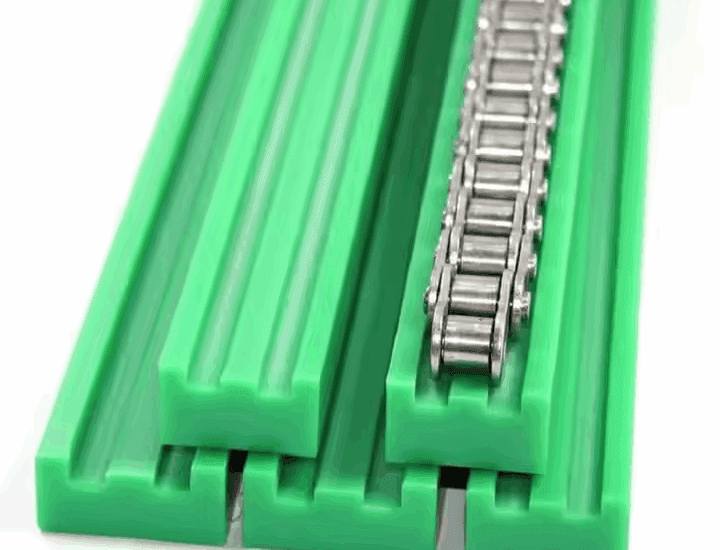
Conveyors are the lifeline of modern warehouses, moving goods efficiently from one point to another with speed and precision. However, like any heavily used piece of equipment, they face constant wear and tear in demanding environments. Without proper protection, essential conveyor parts such as chains, belts, and rollers can deteriorate quickly, leading to frequent breakdowns and costly downtime. This is where the wear strip plays a crucial role. By reducing friction and protecting key components, the right wear strip can significantly extend the lifespan of a conveyor system, making it a smart investment for any warehouse.
Understanding the Function of a Wear Strip
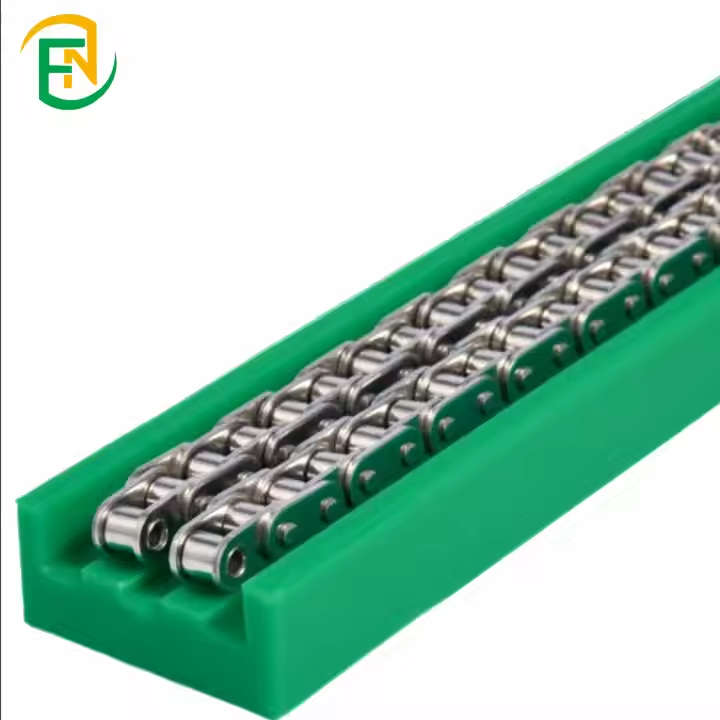
A wear strip is a protective element designed to reduce friction between moving components in a conveyor system. Typically installed along guide rails or under chains, it acts as a barrier that absorbs contact and minimizes direct wear on critical parts. By reducing metal-to-metal or belt-to-surface contact, a wear strip lowers the risk of abrasion and heat buildup. Its role may seem simple, but its impact is substantial—it helps conveyors run more smoothly, reduces energy consumption, and keeps equipment in service for longer periods.
Why Conveyor Lifespan Depends on the Right Wear Strip
When the wrong wear strip is used, or when it is neglected, conveyors experience accelerated damage. Rollers and chains can grind against surfaces, belts may suffer from increased tension, and motors work harder to overcome unnecessary friction. Over time, this leads to premature breakdown and costly repairs. On the other hand, the right wear strip ensures that conveyor parts operate under optimal conditions. By lowering friction and evenly distributing pressure, it safeguards both small and large components, ultimately prolonging the overall lifespan of the system.
Key Benefits of Installing the Right Wear Strip in Warehouses
One of the main advantages of using a proper wear strip is the reduction in maintenance frequency and costs. By protecting high-contact points, fewer repairs are needed, and expensive parts do not need to be replaced as often. This also results in improved conveyor efficiency and greater uptime, since downtime is minimized. Another critical benefit is the extension of operational lifespan for parts that would otherwise wear out quickly. Beyond financial savings, a reliable wear strip also enhances workplace safety by preventing sudden equipment failure, which can disrupt operations or put workers at risk.
Material Options for Wear Strip and Their Applications
Different warehouses require different wear strip materials depending on the operating conditions. A UHMW wear strip is a popular option because of its low-friction surface and high impact resistance, making it ideal for fast-moving conveyors. Nylon wear strip is valued for its toughness and ability to resist abrasion, working well in environments with heavy or rough materials. Metal wear strip, while higher in friction, provides exceptional strength and is used in heavy-duty operations where durability is a priority. Each option comes with unique pros and cons, and the choice depends on the balance of speed, load, and environment in the warehouse.
Signs It’s Time to Replace a Wear Strip
Even the most durable wear strip needs replacement eventually. Clear signs include visible wear patterns, grooves, or uneven surfaces where the strip has thinned out. Increased noise or vibration from the conveyor often indicates that friction is rising. Another clue is higher energy consumption, as motors need more power to keep conveyors running smoothly. If conveyors slow down or show signs of inefficiency, it is often due to a worn wear strip that no longer provides proper protection. Regular inspection helps detect these issues before they cause larger problems.
Best Practices for Choosing and Maintaining a Wear Strip
Selecting the right wear strip starts with evaluating the conveyor’s specific needs. Factors such as load weight, conveyor speed, material type, and environmental conditions all influence the choice of material. Once installed, routine inspection is essential—checking for damage or wear ensures timely replacement before failure occurs. A proper maintenance schedule can double the lifespan of a conveyor system. Finally, working with a trusted supplier guarantees access to quality materials and expert guidance, ensuring that warehouses get the maximum performance and durability from their investment.
Conclusion
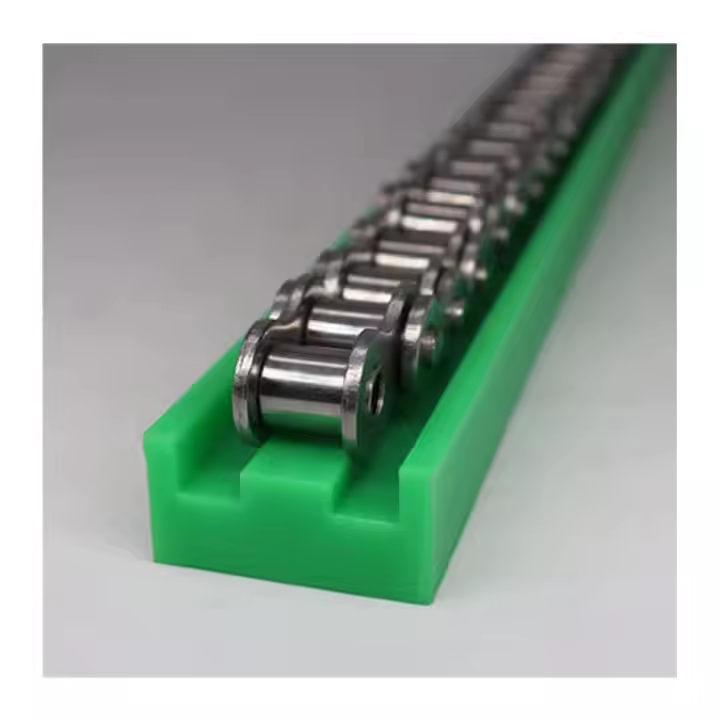
The wear strip may be a small component, but its influence on conveyor lifespan is undeniable. By minimizing friction, reducing wear, and safeguarding critical parts, it ensures that warehouse conveyors operate at peak efficiency for longer. Choosing the right wear strip not only cuts maintenance costs but also prevents downtime, protects workers, and delivers long-term value. For warehouses seeking to maximize efficiency and extend equipment life, investing in the right wear strip is a simple yet powerful solution.