
- September 10, 2025
- Posted by: feinuojixie
- Category: Chain Guides News
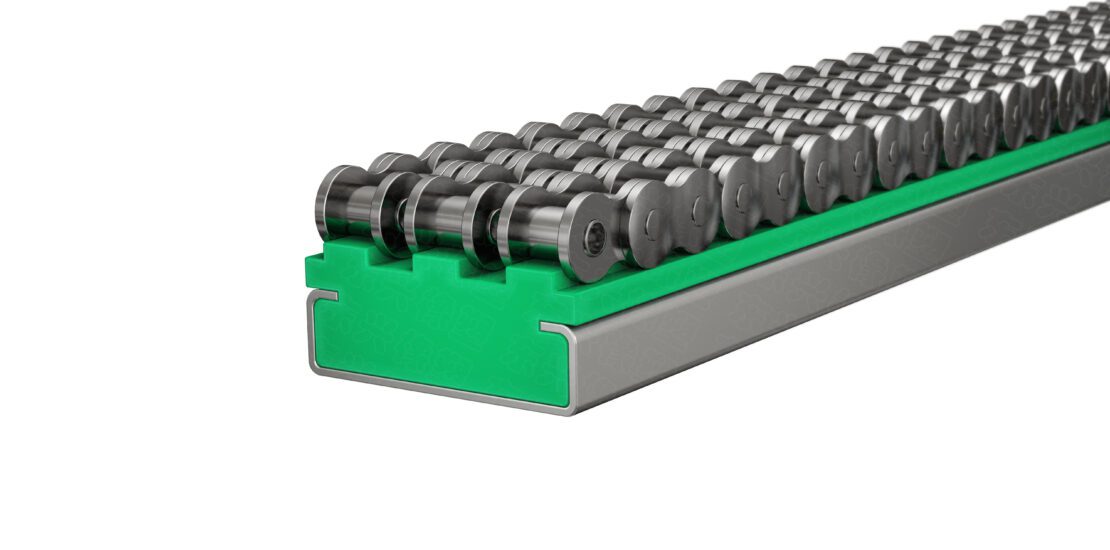
In today’s fast-paced manufacturing and processing industries, safety and reliability are non-negotiable. Every conveyor system must operate smoothly to protect workers, minimize risks, and maintain productivity. One component that plays a surprisingly critical role in achieving these goals is the chain guide wear strip. While it may appear to be a small part of the system, its impact on overall performance is significant. By guiding chains with precision and reducing unnecessary wear, a chain guide wear strip ensures both safer working conditions and long-term operational reliability.

What is a Chain Guide Wear Strip?
A chain guide wear strip is a specialized component designed to support and guide chains as they move along conveyor systems. Its primary role is to minimize friction between the moving chain and the supporting surface, ensuring smooth operation and reduced mechanical stress. Typically made from durable materials such as UHMW polyethylene, nylon, or other engineered plastics, the strip is engineered to withstand continuous contact and heavy loads. Installed along conveyor tracks, it ensures the chain stays aligned and functions efficiently, even under demanding industrial conditions.
The Safety Benefits of Using a Chain Guide Wear Strip
One of the most important contributions of a chain guide wear strip is its ability to enhance workplace safety. By maintaining proper chain alignment, it prevents derailments that could otherwise lead to accidents or damaged equipment. Additionally, the strip reduces friction and heat buildup, minimizing the risk of mechanical failures or fire hazards. For operators, this means fewer unexpected interruptions and safer working conditions around conveyor systems. Ultimately, the use of a wear strip helps reduce potential hazards while ensuring the equipment remains dependable.
How a Chain Guide Wear Strip Improves Reliability
Reliability in production environments depends on consistent and stable performance. A chain guide wear strip contributes directly by extending the lifespan of conveyor chains. It reduces wear and tear caused by direct contact with metal surfaces, keeping the chain in optimal condition for longer periods. The strip also ensures that chains remain properly aligned, which prevents uneven stress and mechanical breakdowns. In high-speed operations, where precision is critical, the strip allows chains to run smoothly without disruptions, maintaining continuous workflow and minimizing costly downtime.
Comparing Chain Guide Wear Strip with Traditional Solutions
Traditional guides, often made from metal, can create significant challenges. They tend to generate higher friction, leading to faster chain wear and more frequent maintenance. Metal surfaces also increase noise and vibration, which can compromise both safety and efficiency. In contrast, a chain guide wear strip offers a quieter, smoother, and more durable solution. Not only does it outperform traditional guides in reliability, but it also proves more cost-effective over time by reducing repair expenses and system downtime. This makes it a superior choice for businesses that prioritize safety and long-term performance.
Applications Across Industries
The benefits of a chain guide wear strip extend across multiple industries. In the food and beverage sector, it supports hygienic operations by reducing metal-to-metal contact and preventing contamination risks. Packaging lines rely on the strip to avoid unplanned stoppages and to keep production moving at optimal speed. In automotive and heavy-duty manufacturing, where equipment is exposed to extreme loads and continuous operation, the strip ensures consistent performance under pressure. These examples highlight how versatile and indispensable the strip has become in diverse industrial applications.
Key Factors When Choosing a Chain Guide Wear Strip
Selecting the right chain guide wear strip requires attention to several factors. The material should match the specific load and speed requirements of the conveyor system. For environments with high moisture or chemical exposure, corrosion-resistant materials are essential. Customization options, such as different profiles or dimensions, allow the strip to fit seamlessly into unique system designs. While initial cost may vary, businesses should prioritize long-term benefits, as a well-chosen wear strip reduces replacement frequency and enhances overall productivity.

Conclusion
Safety and reliability are the cornerstones of efficient industrial operations, and the chain guide wear strip plays a vital role in both. By preventing derailments, minimizing friction, and supporting long-term chain performance, it ensures that conveyor systems operate smoothly and securely. From food processing to heavy-duty manufacturing, its advantages are felt across industries where consistency and protection matter most. For companies aiming to reduce risks, optimize reliability, and maintain a competitive edge, upgrading to a high-quality chain guide wear strip is a smart and forward-thinking decision.