
- September 11, 2025
- Posted by: feinuojixie
- Category: Chain Guides News
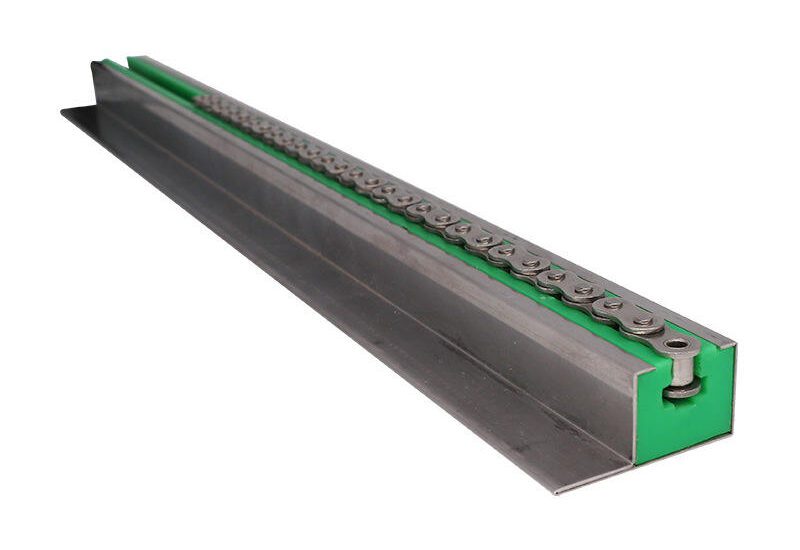
In every modern production line, chains and conveyors play a crucial role in keeping materials moving efficiently. To ensure smooth operation, chain support systems are essential. Two of the most common options are the chain guide wear strip and traditional guides. While both serve the same core purpose—keeping chains aligned and protected—their performance, durability, and long-term benefits differ significantly. This article will break down each option, highlight their advantages and drawbacks, and help you decide which solution is better suited for your operation.

Understanding Chain Guide Wear Strip
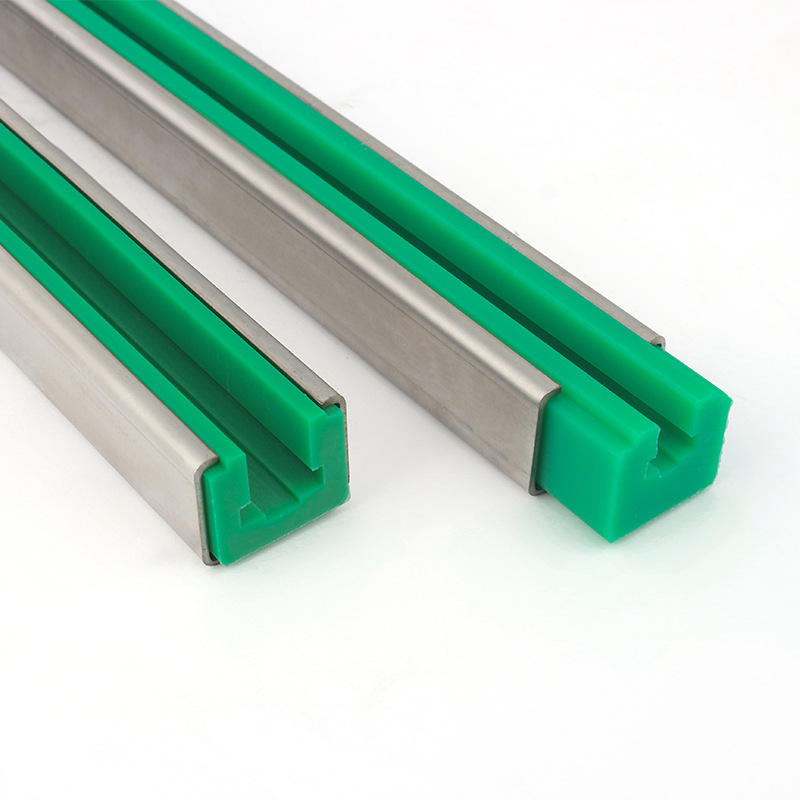
A chain guide wear strip is a specially engineered support component designed to minimize friction and extend the life of conveyor chains. It is typically made from advanced polymers such as UHMW (ultra-high molecular weight polyethylene) or HDPE (high-density polyethylene). These materials are chosen for their exceptional wear resistance, low friction properties, and ability to withstand demanding industrial environments. By acting as a buffer between the chain and the conveyor structure, a chain guide wear strip reduces vibration, lowers noise, and helps maintain consistent chain performance over time.
What Are Traditional Guides?
Traditional guides usually refer to metal rails or simple plastic tracks that have been used for decades in conveyor systems. They provide a direct path for the chain to follow but often lack advanced features such as noise reduction or friction minimization. While traditional guides remain common in some facilities due to their simplicity and lower upfront cost, they often fall short in high-speed or heavy-duty operations where performance demands are higher.
Advantages of Chain Guide Wear Strip
One of the biggest advantages of a chain guide wear strip is its durability. Its wear-resistant properties significantly extend service life, reducing the need for frequent replacements. In addition, the low-friction surface decreases energy consumption by requiring less power to move chains, which also leads to smoother operation. Another key benefit is noise reduction, making it ideal for industries that prioritize a quieter and safer working environment. Beyond performance, a chain guide wear strip can be customized to fit different applications, from packaging lines to food processing plants, making it highly versatile.
Limitations of Chain Guide Wear Strip
Despite its advantages, a chain guide wear strip is not without limitations. The initial investment is usually higher compared to traditional guides, which can be a concern for companies with limited budgets. Installation may also require expertise to ensure proper alignment and secure fitting. Additionally, while polymer-based strips perform well in most environments, extreme temperatures or chemical exposure may require specific material modifications to maintain performance.
Advantages of Traditional Guides
Traditional guides remain attractive for companies looking for a lower-cost solution. They are widely available, easy to install, and sufficient for low-speed or light-duty conveyor applications. For operations where equipment is not subject to heavy loads or long production runs, traditional guides can provide a straightforward and practical option.
Limitations of Traditional Guides
The biggest drawback of traditional guides is their tendency to wear out quickly, especially under heavy use. This leads to higher maintenance costs and frequent downtime. They also generate more friction, which increases energy consumption and accelerates chain wear. Noise is another concern, as metal-on-metal contact or less advanced plastic materials often result in louder operation. In fast-moving or safety-critical industries, these limitations can become major obstacles.
Direct Comparison: Chain Guide Wear Strip vs. Traditional Guides
When comparing the two side by side, the differences become clear. A chain guide wear strip offers a longer lifespan, lower maintenance needs, and better energy efficiency. Traditional guides, while cheaper initially, may end up costing more in the long run due to frequent replacements and higher energy use. Industries such as food processing, packaging, and warehousing often favor the chain guide wear strip because of its ability to handle high-speed, high-volume operations while maintaining safety and reliability. On the other hand, traditional guides may still be suitable for smaller operations with less demanding requirements.
Key Factors to Consider When Choosing
The choice between a chain guide wear strip and traditional guides depends on several factors. Consider the type of industry you operate in, as food and pharmaceutical production often demand quieter, safer, and cleaner solutions. Speed and load requirements also play a key role, since higher performance applications benefit more from a chain guide wear strip. Budget priorities must be balanced between initial investment and long-term operating costs. Lastly, compliance with safety and noise regulations may guide companies toward modern solutions.
Conclusion
Both chain guide wear strip and traditional guides serve the essential role of supporting and protecting conveyor chains, but their effectiveness differs based on operational demands. While traditional guides can still serve in simple applications, the chain guide wear strip stands out as the superior option for industries seeking durability, efficiency, and safety. If your facility is aiming for long-term reliability and reduced maintenance costs, investing in a chain guide wear strip is a smart decision. Evaluating your current system and considering an upgrade could unlock significant benefits for your production line.