
- September 12, 2025
- Posted by: feinuojixie
- Category: Chain Guides News
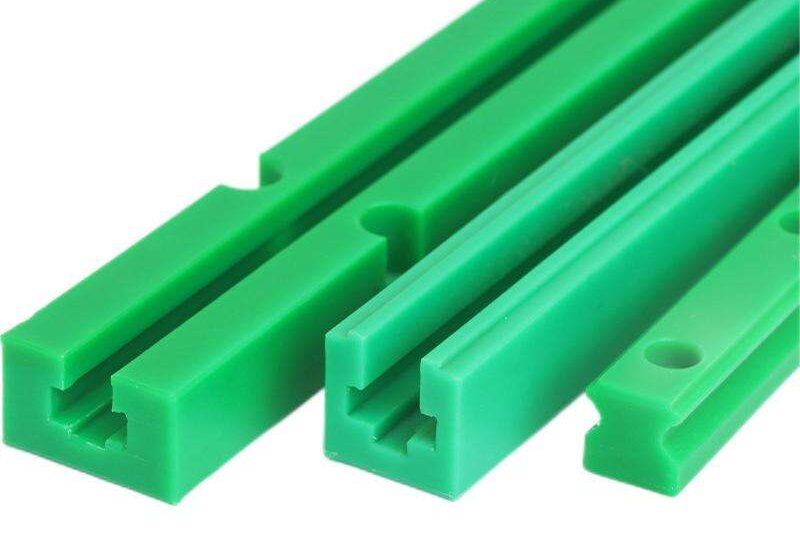
In modern manufacturing, packaging, and distribution facilities, conveyor systems are the backbone of efficient operations. They keep goods moving seamlessly from one stage of production to another, saving both time and labor. Yet, despite their importance, conveyors face constant stress. Friction, heavy loads, and repetitive motion often lead to premature wear, unexpected breakdowns, and costly downtime.
This is where the chain wear strip steps in, though it often goes unnoticed. Acting as a protective barrier between the chain and conveyor frame, the chain wear strip absorbs friction, reduces direct contact, and quietly extends the service life of critical components. Far from being a minor accessory, it plays a hidden yet vital role in ensuring the reliability and durability of conveyor systems.

Understanding the Basics of a Chain Wear Strip
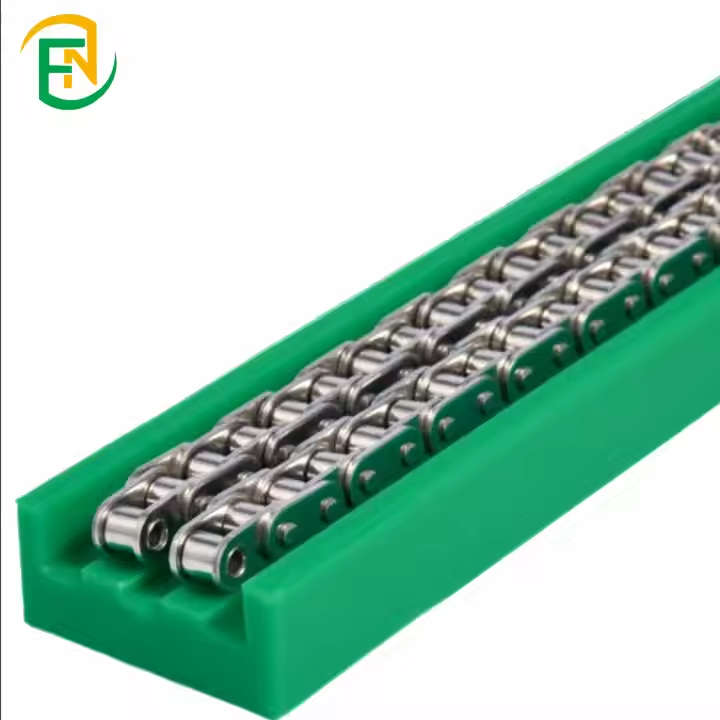
A chain wear strip is a guiding and protective component designed to minimize friction between the moving chain and the conveyor frame. By creating a smooth surface for the chain to glide along, it reduces the amount of direct contact that would otherwise wear down both the chain and the supporting structure. This simple function has a significant impact on system performance and longevity.
Chain wear strips are commonly made from durable, low-friction materials such as UHMW polyethylene, nylon, or other engineered plastics. These materials are chosen for their ability to withstand constant motion and resist heat, moisture, and chemical exposure. By acting as both a support and a shield, the chain wear strip ensures smoother operation while preserving the integrity of expensive conveyor parts.
The Hidden Benefits of Using a Chain Wear Strip
One of the most important advantages of a chain wear strip is its ability to extend the overall lifespan of a conveyor. Chains and frames that are protected from excessive wear last longer, which means fewer unplanned shutdowns and costly replacements.
Beyond extending lifespan, the presence of a chain wear strip improves efficiency. Reduced friction allows the chain to move with less resistance, which lowers the energy consumption of the drive system. Over time, this translates to measurable savings on operational costs.
Additionally, maintenance demands decrease because chains remain in better condition. Instead of frequent lubrication or part replacement, operators can rely on the chain wear strip to handle the stress of daily use. Finally, safety improves as the strip reduces vibration, noise, and sudden chain failures, creating a more stable work environment.
How a Chain Wear Strip Protects Conveyor Components
Every part of a conveyor is exposed to constant motion, and without protection, this leads to abrasion. The chain wear strip absorbs the brunt of this friction, protecting chain links and rollers from grinding directly against the frame. This reduces the chances of structural damage and misalignment.
Noise is another issue that often goes overlooked. Chains running without wear protection can create excessive vibration, leading to rattling, instability, and even early fatigue in components. By cushioning the chain, the chain wear strip reduces noise levels and ensures smoother operation. This not only protects the machinery but also makes the working environment safer and more comfortable for employees.
Choosing the Right Chain Wear Strip for Your Conveyor
Not all chain wear strips are the same, and selecting the right one requires understanding your system’s specific needs. The material must be compatible with the type of chain and the operating environment. For example, food processing facilities often require strips made from FDA-approved, non-toxic plastics to meet hygiene standards.
Load capacity is another critical factor. Heavy-duty conveyors handling bulk materials need chain wear strips that can withstand higher levels of force and pressure without deforming. On the other hand, packaging lines may prioritize low-friction, lightweight strips to maintain speed and accuracy. A well-chosen chain wear strip strikes the right balance between durability and cost-effectiveness, ensuring both performance and value.
Installation and Maintenance Best Practices for a Chain Wear Strip
Even the best chain wear strip will not deliver its full benefits if installed improperly. Ensuring that the strip is correctly aligned with the chain path is crucial to prevent uneven wear or chain misalignment. In some cases, strips can be fastened directly to the frame, while others are designed to snap into pre-fitted grooves.
Routine inspection is equally important. Checking for grooves, cracks, or thinning areas allows operators to spot early signs of wear before they lead to larger issues. Replacement should never be delayed, as a worn-out strip loses its protective qualities and exposes the conveyor to unnecessary risks. By following these best practices, businesses can maximize the return on their investment in chain wear strip technology.
The Long-Term ROI of Investing in a High-Quality Chain Wear Strip
At first glance, a chain wear strip may appear to be a minor cost in comparison to the full conveyor system. However, the return on investment becomes clear when considering the savings in reduced downtime, lower energy use, and minimized repair expenses.
When conveyors break down, production stops, and every minute of delay translates to lost revenue. By extending chain and frame life, a chain wear strip pays for itself many times over. Businesses that invest in high-quality strips often see a significant reduction in overall maintenance costs, along with improved system reliability. In competitive industries where efficiency directly affects profit margins, this hidden advantage can make a measurable difference.
Unlocking the Full Potential of Conveyor Systems with a Chain Wear Strip
Though small and often overlooked, the chain wear strip plays a critical role in extending conveyor lifespan. It shields components from damage, improves energy efficiency, lowers maintenance demands, and enhances workplace safety. By choosing the right strip, installing it properly, and maintaining it with care, businesses can unlock the full potential of their conveyor systems.
In the end, the chain wear strip is not just a support accessory—it is a key factor in ensuring long-term reliability and cost savings. For any operation that depends on conveyors, understanding and leveraging its hidden role can be the difference between frequent breakdowns and years of smooth, uninterrupted performance.