
- September 15, 2025
- Posted by: feinuojixie
- Category: Chain Guides News
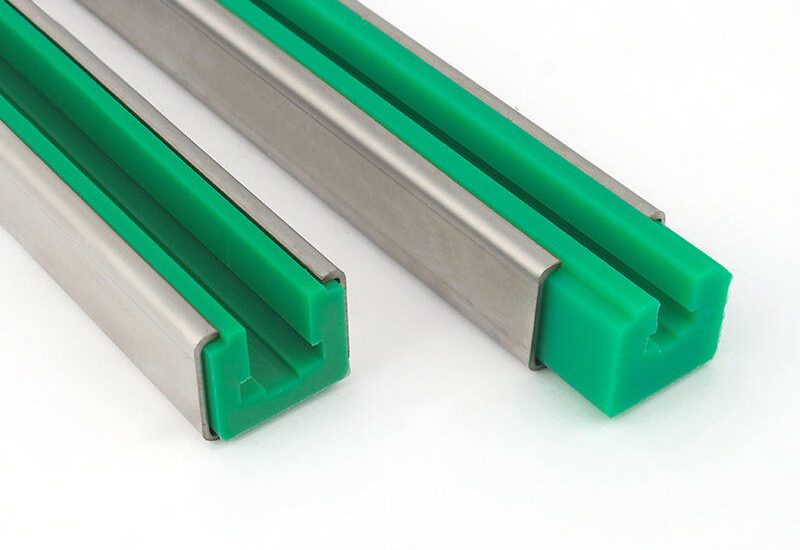
In today’s fast-paced production environment, conveyor systems play a central role in keeping operations running smoothly. Any interruption can lead to delays, missed deadlines, and added expenses that go beyond immediate repair costs. Unplanned downtime not only disrupts schedules but also reduces productivity and profitability. At the same time, maintenance expenses for replacing worn-out components add another layer of financial strain. This is where a chain wear strip becomes a valuable solution. By addressing the root causes of friction and wear, it helps companies cut down on both downtime and maintenance costs while extending the lifespan of their equipment.
Understanding the Function of a Chain Wear Strip
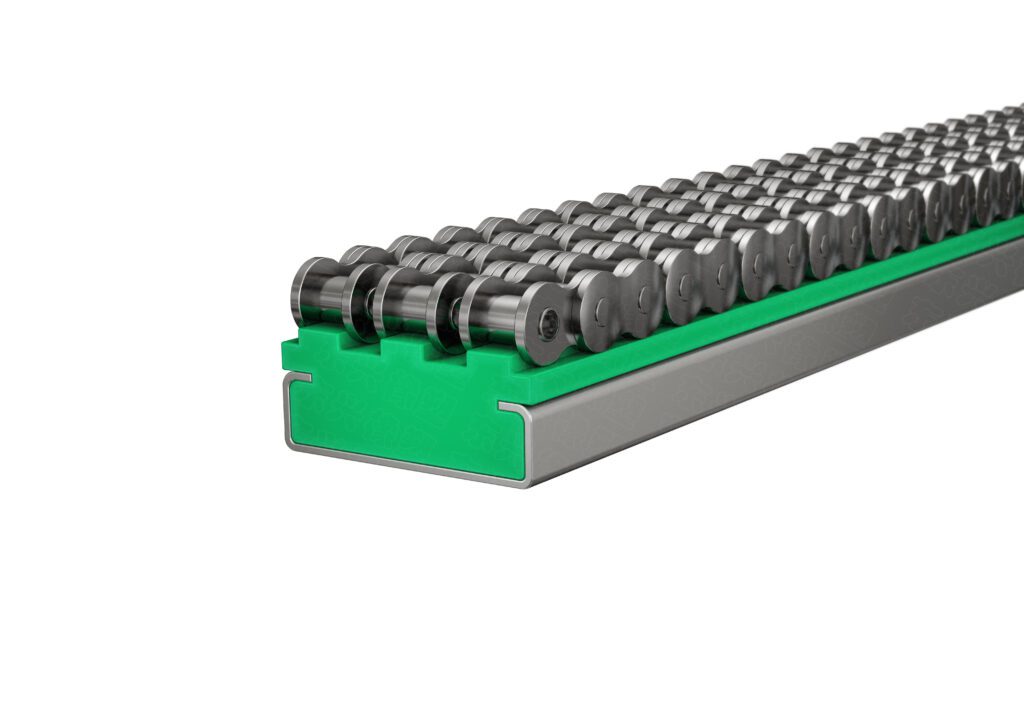
A chain wear strip is a specialized component designed to provide smooth support and guidance for a conveyor chain. Its primary function is to reduce friction between the moving chain and the conveyor frame. Without it, metal-on-metal contact can quickly lead to surface damage, noise, and excessive wear. By serving as a protective barrier, the chain wear strip not only reduces stress on the conveyor chain but also prevents damage to the supporting structure. This dual protection creates a longer service life for both components, ensuring operations remain efficient and reliable.
How a Chain Wear Strip Reduces Downtime
One of the biggest advantages of using a chain wear strip is its ability to keep equipment running with fewer interruptions. Since the strip minimizes chain wear, it prevents the need for frequent chain replacement. This reduces the likelihood of unexpected stoppages that can bring an entire production line to a halt. The chain wear strip also helps maintain alignment, preventing chain slippage or derailment, which are common causes of downtime. By ensuring smooth and consistent movement, it allows operators to focus on production rather than emergency repairs.
Cost Savings Through Reduced Maintenance
Maintenance costs in conveyor systems can add up quickly when chains and frames need frequent attention. A chain wear strip lowers these costs by extending the time between part replacements. With less friction and reduced wear, the chain lasts longer, and so does the conveyor structure. In addition, labor costs for maintenance crews are reduced, since fewer service interventions are required. Over time, these savings add up significantly, making the chain wear strip a cost-effective solution that supports the bottom line.
Enhancing Efficiency and Reliability with a Chain Wear Strip
Efficiency and reliability are critical in modern production lines, and a chain wear strip directly contributes to both. By keeping the chain properly guided, it ensures consistent product flow with minimal disruptions. Reduced vibration and noise also create a safer and more comfortable work environment for employees. The improved stability provided by the strip allows machines to run at optimal speed without the risk of sudden interruptions, which translates to higher throughput and better overall productivity.
Choosing the Right Chain Wear Strip for Your System
Not all chain wear strip products are the same, and selecting the right one is essential for long-term performance. Key factors to consider include the type of material, load capacity, operating temperature, and exposure to chemicals or moisture. High-quality materials such as UHMW polyethylene or other engineered plastics provide durability and low friction performance. Choosing a strip that matches the demands of your specific system ensures it delivers consistent results. Avoiding low-grade options is equally important, as poor quality can lead to premature failure and higher costs down the road.
Best Practices for Installation and Maintenance of a Chain Wear Strip
Proper installation is crucial to maximizing the effectiveness of a chain wear strip. Ensuring that the strip is correctly aligned with the chain path prevents uneven wear and improves system performance. Routine inspections should be part of the maintenance schedule, allowing operators to spot early signs of wear and replace the strip before it causes larger issues. Regular cleaning also helps maintain smooth operation, as dirt and debris can accelerate wear if left unchecked. By following these best practices, businesses can extend the life of the strip and protect their investment.
Real-World Impact: Case Examples of Cost and Downtime Reduction
In practice, many facilities have seen measurable benefits from using a chain wear strip. For example, a packaging plant reduced its downtime by nearly 30% after installing high-quality strips across its conveyor systems. The improved reliability meant fewer emergency repairs and less disruption to production schedules. Another manufacturer reported cutting maintenance costs by nearly half, as chains and frames lasted significantly longer with reduced friction. These real-world results highlight how such a small component can make a major difference in daily operations.
A Small Part with a Big Impact
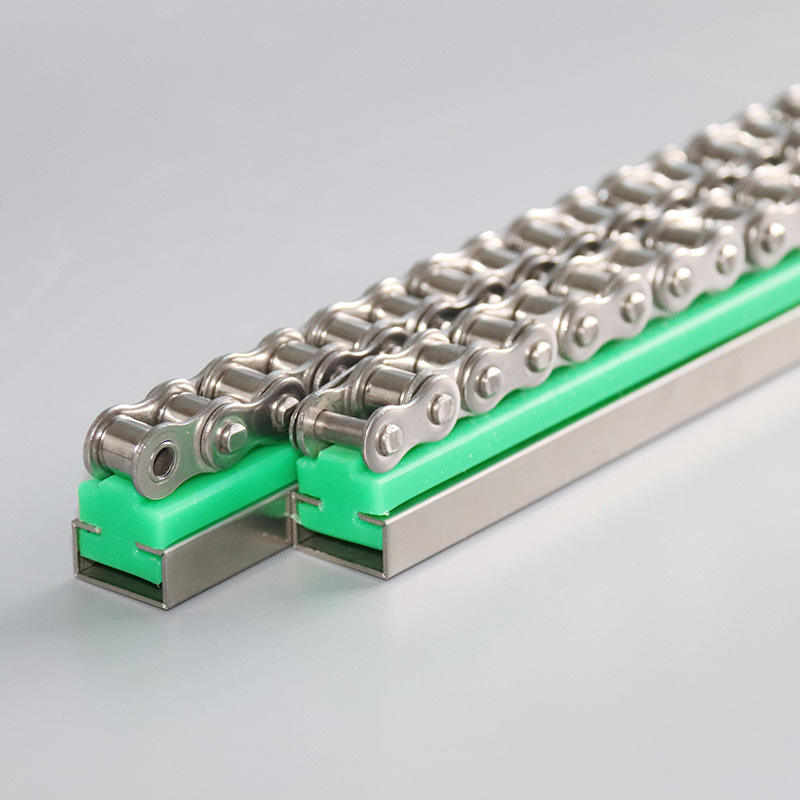
While it may appear to be a minor detail, a chain wear strip plays a crucial role in protecting conveyor systems from costly wear and downtime. By reducing friction, preventing misalignment, and extending the life of essential components, it helps businesses lower maintenance costs and keep operations running smoothly. The investment in a high-quality strip pays for itself many times over through reduced repair bills, increased reliability, and improved productivity. For any operation that relies on conveyor systems, adopting a chain wear strip is not just a maintenance decision—it is a smart strategy for long-term efficiency and cost savings.