
- September 17, 2025
- Posted by: feinuojixie
- Category: Chain Guides News

In the fast-paced world of packaging, every second counts. Companies rely on their equipment to run smoothly and continuously, but the reality is that packaging lines often face challenges such as excessive friction, wear, and unexpected downtime. These issues not only reduce productivity but also increase operational costs. This is where a UHMW wear strip proves to be a game changer. By reducing friction, preventing unnecessary wear, and extending the life of equipment, a UHMW wear strip helps packaging lines maintain steady performance while lowering the risk of costly interruptions.
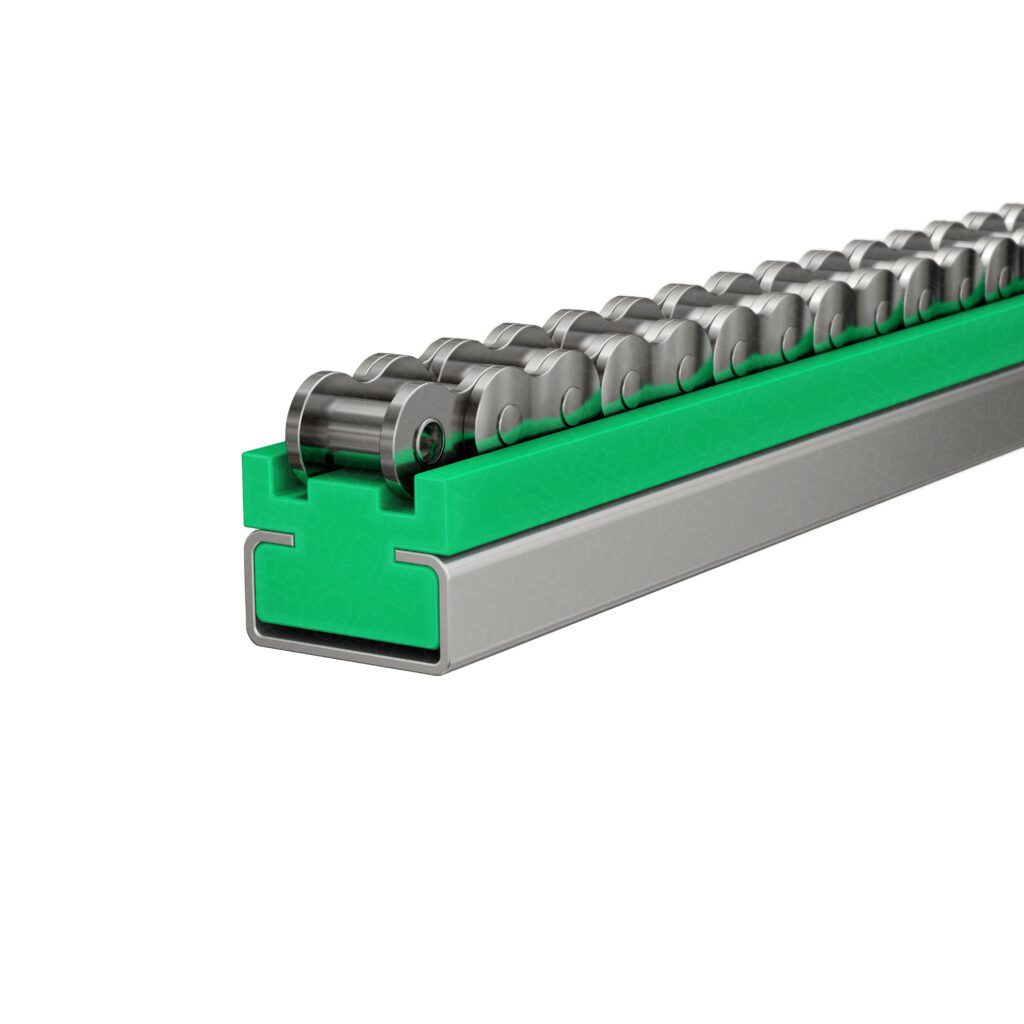
The Role of UHMW Wear Strip in Packaging Line Efficiency
A packaging line relies on speed, accuracy, and consistent movement to meet production targets. Any small disruption can quickly snowball into costly downtime. The UHMW wear strip plays a vital role in boosting efficiency by ensuring smoother operations. Known for its ultra-low coefficient of friction, UHMW allows packaging components to move seamlessly without sticking or dragging. Its impact resistance means it can handle heavy loads and repetitive motion without cracking or wearing down. By acting as a protective and guiding surface, a UHMW wear strip keeps packaging lines moving reliably, reducing interruptions that slow production.
How a UHMW Wear Strip Reduces Friction in High-Speed Operations
High-speed packaging equipment is especially vulnerable to friction-related challenges. Conveyor belts, chain guides, and transfer points all create constant surface contact that can generate heat, resistance, and wear. A UHMW wear strip acts as a low-friction interface that minimizes these issues. Products glide more easily along conveyors, chains move with less resistance, and the risk of jams is significantly reduced. With reduced friction, equipment requires less energy to operate, which contributes to both smoother performance and lower energy consumption. This friction control is especially critical in industries like food, pharmaceuticals, and consumer goods, where uninterrupted flow ensures timely deliveries.
Minimizing Downtime with a UHMW Wear Strip
Downtime is one of the most expensive problems in packaging facilities. Equipment wear, chain misalignment, and guide damage are common causes of production stoppages. A UHMW wear strip helps mitigate these risks by absorbing wear that would otherwise affect metal components. Instead of replacing expensive machine parts, operators can replace or adjust the wear strip at a fraction of the cost and time. The durability of UHMW ensures it can withstand continuous operation without frequent replacement, ultimately keeping packaging lines running longer and reducing the frequency of costly shutdowns.
Cost Savings and Longevity from a UHMW Wear Strip
Investing in a UHMW wear strip pays off over the long term. Its durability means fewer replacements compared to materials like rubber or nylon. Lower friction results in reduced strain on motors and drives, which decreases energy consumption and prolongs the life of mechanical components. Maintenance costs are minimized because the wear strip prevents damage to more expensive parts of the packaging line. For manufacturers managing high production volumes, these savings quickly add up, making UHMW wear strip a cost-effective solution that delivers both operational and financial benefits.
UHMW Wear Strip vs. Traditional Materials in Packaging Lines
While traditional materials like metal, nylon, or rubber have been used in packaging lines, they each come with drawbacks. Metal strips can cause excessive noise, spark risks, and wear down products passing through. Nylon strips offer moderate durability but lack the low-friction advantage of UHMW. Rubber strips may cushion impact but wear out quickly under heavy use. In comparison, a UHMW wear strip combines the best of all worlds: quiet operation, high wear resistance, low friction, and superior longevity. These qualities make it the material of choice for modern, high-speed packaging operations where reliability is essential.
Key Applications of UHMW Wear Strip in Packaging Systems
The versatility of UHMW wear strip allows it to be applied across multiple areas of packaging systems. Common uses include conveyor side guides, where products need smooth, guided movement without scuffing or delays. At chutes and transfer points, UHMW helps reduce friction and wear as products move from one section to another. Chain and belt guides also benefit from UHMW, as the strip ensures smooth alignment and movement, minimizing the chance of slippage or mis-tracking. These applications highlight the broad role of UHMW wear strip in keeping packaging lines streamlined and efficient.
Choosing the Right UHMW Wear Strip for Your Packaging Line
Selecting the right UHMW wear strip involves more than simply choosing a standard size. Key factors such as strip thickness, operating environment, product weight, and conveyor speed must all be considered. For heavy-duty packaging lines, thicker strips may be necessary to withstand the load. In food or pharmaceutical settings, FDA-approved grades of UHMW are essential for compliance and safety. Partnering with a reliable supplier ensures that the wear strip can be customized to match the exact needs of your operation, maximizing performance and longevity.
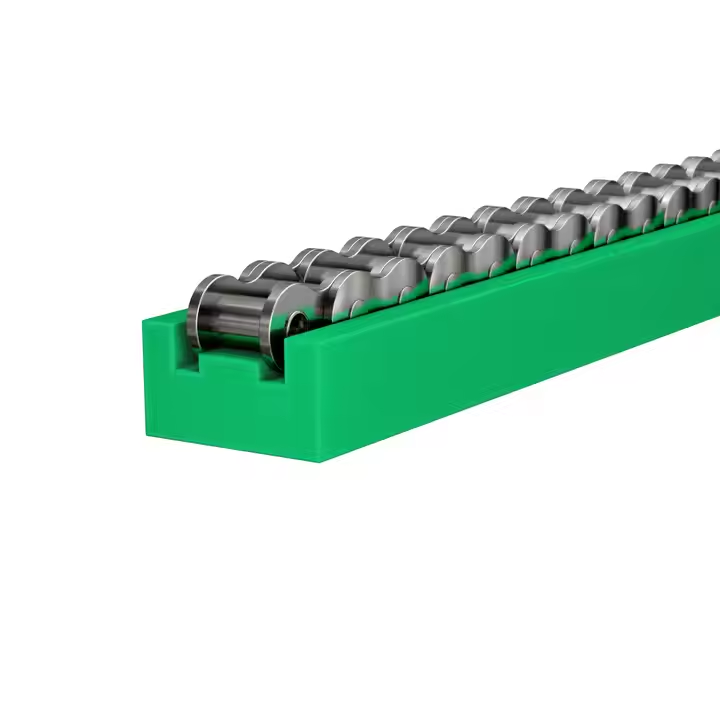
The Future of Packaging Lines with UHMW Wear Strip
As packaging demands continue to rise, the need for reliable, efficient, and cost-effective solutions becomes even more important. A UHMW wear strip offers a simple yet powerful way to reduce friction, minimize downtime, and extend the life of packaging equipment. With benefits ranging from energy savings to lower maintenance costs, it is no surprise that more manufacturers are choosing UHMW as their material of choice. By upgrading to a UHMW wear strip, packaging lines can achieve smoother operations, consistent productivity, and a stronger return on investment for years to come.