
- September 18, 2025
- Posted by: feinuojixie
- Category: Chain Guides News

In fast-paced industries, every component of a system plays a role in determining overall efficiency. From packaging lines to heavy-duty conveyors, wear strips and guides are essential to smooth operation. Today, many manufacturers face a key decision: should they rely on traditional guides, or should they upgrade to a UHMW wear strip? Since efficiency impacts energy use, maintenance costs, and equipment lifespan, choosing the right solution can make a noticeable difference. This article explores the strengths and weaknesses of each option and helps determine which one offers better efficiency for modern operations.
Understanding the UHMW Wear Strip
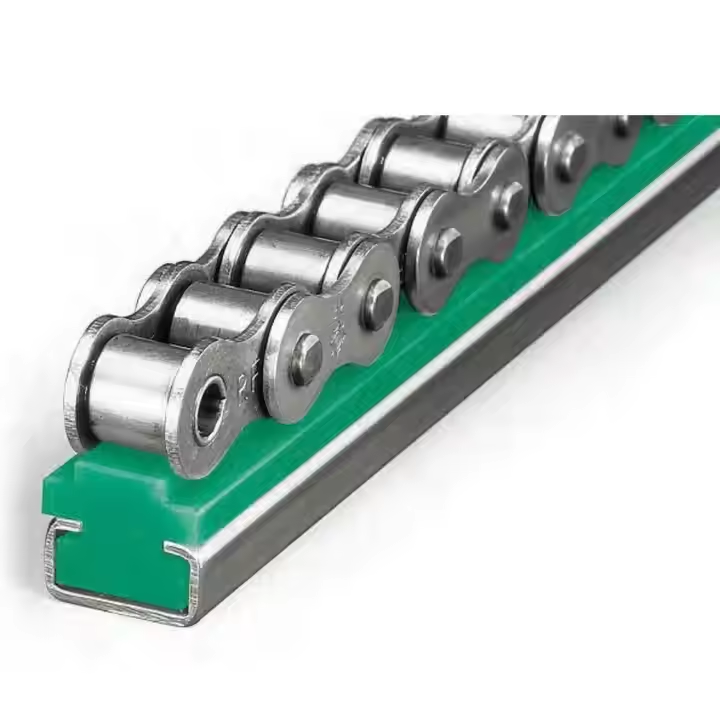
A UHMW wear strip is made from Ultra High Molecular Weight Polyethylene, a thermoplastic known for its outstanding durability and self-lubricating properties. With a very low coefficient of friction, this material allows moving parts to glide smoothly while minimizing heat and surface wear. It is also resistant to impact, abrasion, and many chemicals, making it ideal for harsh industrial environments. In practice, a UHMW wear strip is commonly used in conveyor systems, bottling lines, food processing equipment, and packaging machines where efficiency and reliability are priorities.
What Defines Traditional Guides
Traditional guides are typically produced from materials such as steel, nylon, or other standard plastics. They have been used in factories for decades due to their high strength and availability. Steel guides, for instance, can endure extreme loads and temperatures, while nylon provides good wear resistance in moderate applications. However, these materials come with trade-offs. Steel guides may require frequent lubrication and create more noise, while nylon can wear faster under continuous friction. Despite these drawbacks, traditional guides remain popular because they are time-tested and suitable for specific heavy-duty environments.
Efficiency in Motion: UHMW Wear Strip Advantages
One of the standout benefits of a UHMW wear strip is its ability to reduce friction. Less friction means less energy consumption, which translates to lower operational costs. Another major advantage is noise reduction — by allowing chains and belts to glide smoothly, UHMW wear strip contributes to a safer and quieter work environment. The material also protects expensive conveyor components by absorbing impact and minimizing direct wear. Over time, this significantly extends equipment life, making UHMW wear strip a strategic investment in both performance and efficiency.
Traditional Guides and Their Efficiency Profile
Traditional guides do provide efficiency benefits in certain conditions, particularly where extremely high loads are involved. Steel guides, for example, offer unmatched strength and can endure conditions where a polymer would not suffice. However, these guides are less effective in managing friction and noise. They often require ongoing lubrication, which adds maintenance time and costs. Additionally, frequent maintenance interruptions can reduce overall efficiency, especially in continuous production environments where downtime is expensive.
UHMW Wear Strip vs. Traditional Guides: Direct Comparison
When comparing UHMW wear strip with traditional guides, the efficiency gap becomes clear. UHMW wear strip offers a significantly lower friction coefficient, allowing faster and smoother operation with less energy demand. Traditional guides, while durable, can create drag and increase energy use. Maintenance frequency also highlights the difference: UHMW wear strip often operates without lubrication, reducing downtime, whereas traditional guides usually require regular servicing. From a cost perspective, UHMW wear strip may have a higher upfront cost than some plastics, but its long-term savings in energy, maintenance, and equipment replacement make it the more efficient choice.
Industry Examples: Real-World Efficiency Gains
Consider a packaging line that replaced its steel guides with UHMW wear strip. The result was immediate: conveyor speed increased by nearly 15%, while noise levels dropped dramatically, improving working conditions. Another example comes from a bottling plant, where the switch to UHMW wear strip reduced downtime caused by lubrication needs. The plant reported a measurable reduction in energy bills due to smoother operation. These real-world results highlight how UHMW wear strip can deliver efficiency gains that go beyond theory and into measurable business impact.
Choosing the Right Option for Your Operation
The choice between a UHMW wear strip and traditional guides depends on application requirements. If your system prioritizes speed, noise reduction, and reduced maintenance, UHMW wear strip is likely the best option. It excels in environments where smooth, continuous operation is critical. On the other hand, in extremely high-load or high-temperature situations, traditional steel guides may still be the more reliable solution. Decision-makers should consider load capacity, operating speed, environmental conditions, and budget when selecting the right guide material.
Future Outlook: Evolving Trends in Guide Technology
As industries continue to seek higher efficiency and sustainability, the technology behind wear strips and guides is evolving. Advanced formulations of UHMW are being developed with even greater wear resistance and heat tolerance. Hybrid solutions that combine the strength of metals with the low-friction benefits of UHMW are emerging as well. Another growing trend is sustainability, with UHMW materials increasingly being designed for recyclability. These advancements indicate that UHMW wear strip technology will only become more efficient and adaptable in the future.
Conclusion
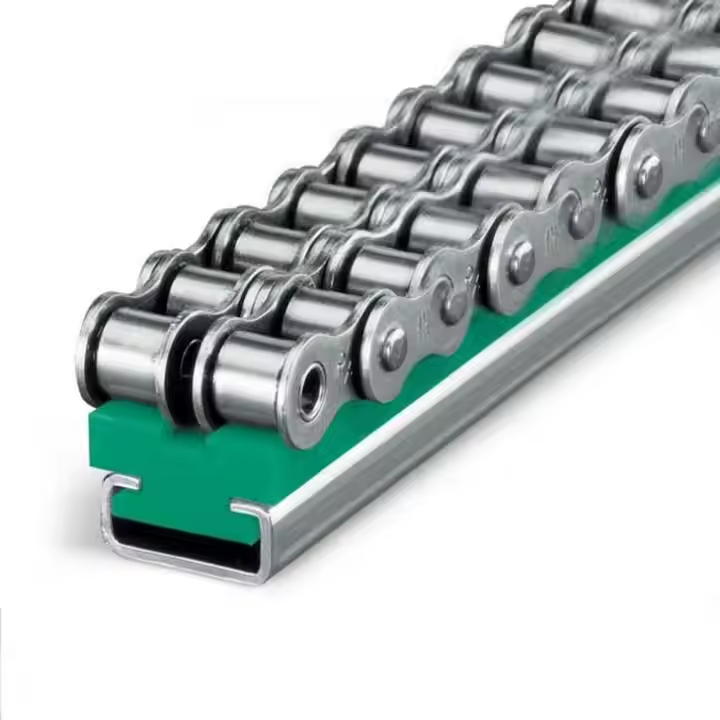
Both UHMW wear strip and traditional guides have roles to play in industrial systems. Traditional guides provide strength and durability in demanding conditions, while UHMW wear strip excels in reducing friction, lowering energy use, cutting noise, and minimizing downtime. When efficiency is the top priority, UHMW wear strip often outperforms its traditional counterparts. For businesses looking to improve performance and reduce costs, upgrading to a UHMW wear strip can be a forward-looking decision that pays off in long-term operational efficiency.