
- September 22, 2025
- Posted by: feinuojixie
- Category: Chain Guides News

In the realm of industrial machinery, the chain wear strip may seem like a small component, but its significance is monumental. Chains are the workhorses of many mechanical systems, whether it’s in conveyor belts moving products in a factory, in agricultural equipment performing field operations, or in the complex mechanisms of a motorcycle.
The primary function of a chain wear strip is to reduce friction and wear between the chain and other components it comes into contact with. When a chain moves without proper protection, the constant rubbing can cause rapid deterioration of both the chain and the mating parts. This not only leads to frequent replacements but also unexpected breakdowns. For example, in a high – speed manufacturing conveyor system, a worn – out chain due to lack of a proper wear strip can cause production halts, resulting in significant financial losses.
By having a well – chosen chain wear strip, the lifespan of the chain can be extended significantly. It acts as a buffer, distributing the forces evenly and preventing excessive stress on any single part of the chain. This means less maintenance, fewer unplanned downtimes, and ultimately, more efficient and cost – effective operation of the entire machinery. In industries where continuous operation is crucial, such as food processing or automotive manufacturing, the importance of a reliable chain wear strip cannot be overstated. So, when considering the performance and durability of your equipment, the selection of the right chain wear strip should be a top priority.

Types of Chain Wear Strips
Rubber Chain Wear Strips
Rubber chain wear strips are known for their excellent flexibility and shock – absorbing properties. They can easily conform to the shape of the chain, providing a smooth and continuous contact surface. This flexibility also allows them to handle vibrations well, making them an ideal choice for applications where noise control is a priority. For example, in conveyor systems used in the food and beverage industry, where a quiet operation is essential to maintain a pleasant working environment, rubber chain wear strips are often employed. They can effectively reduce the noise generated by the chain moving along the track. Additionally, rubber has good resistance to abrasion and can withstand a certain degree of mechanical stress, ensuring a relatively long service life in many light – to – medium – duty applications.
Plastic Chain Wear Strips
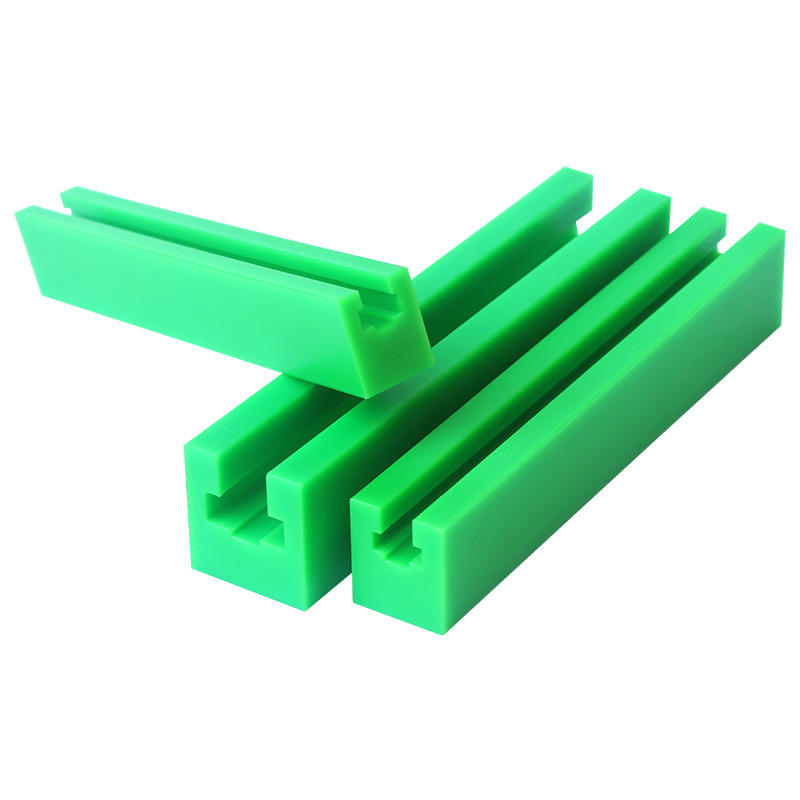
Plastic chain wear strips offer several distinct advantages. Firstly, they are lightweight, which can be beneficial in applications where minimizing the overall weight of the machinery is important, such as in some types of automated equipment or in small – scale conveyor systems. Secondly, plastics are highly resistant to corrosion. This makes them well – suited for use in environments where the chain and its components may be exposed to moisture, chemicals, or other corrosive substances. In the food processing industry, for instance, plastic chain wear strips are frequently used. They not only resist the cleaning agents and food residues that can cause corrosion but also meet the strict hygiene requirements of the industry. Many plastics are also self – lubricating to some extent, which further reduces friction between the chain and the wear strip, enhancing the efficiency and lifespan of the chain system.
Metal Chain Wear Strips
Metal chain wear strips are characterized by their high strength and outstanding wear resistance. They can withstand heavy loads and high – stress applications that would quickly wear out rubber or plastic counterparts. In heavy – duty industrial machinery, such as mining equipment, construction machinery, and large – scale manufacturing plants, metal chain wear strips are the go – to option. For example, in a mining operation, the chains used in conveyor belts that transport large volumes of ore over long distances need to be supported by wear strips that can endure the extreme conditions. Metal wear strips made from materials like hardened steel can handle the constant impact and abrasion from the ore and the high – tension forces within the chain system. Although they may be more expensive and heavier than other types, their durability and performance in harsh environments often justify the investment.
Factors to Consider When Choosing
Load and Tension
The load that a chain has to bear and the tension within it are crucial factors in determining the right chain wear strip. Chains operating under heavy loads, such as those in large – scale industrial machinery, need wear strips that can withstand significant pressure. High – tension chains also put more stress on the wear strips. For example, in a large – scale mining conveyor chain system, where the chain is constantly pulling heavy loads of ore, a wear strip made of a soft material like rubber may not be suitable. Instead, a metal chain wear strip, with its high – strength properties, would be a better choice. It can resist deformation and wear caused by the heavy load and high – tension forces, ensuring the smooth operation of the chain. To select the appropriate wear strip based on load, one should first accurately measure or estimate the maximum load the chain will encounter. Then, refer to the manufacturer’s specifications of different wear strip materials to find the one with the suitable load – bearing capacity.
Working Environment
The working environment plays a vital role in the selection of chain wear strips. In high – temperature environments, such as those found in steel mills or some industrial furnaces, the wear strip material must be able to maintain its properties without melting or degrading. Metal wear strips are often a good option in such cases as they have high melting points and can tolerate the heat. For instance, in a steel – making furnace where the temperature can reach extremely high levels, a metal chain wear strip made of heat – resistant alloys can ensure the continuous operation of the chain.
In humid environments, like those in water treatment plants or food processing facilities with high humidity levels, corrosion – resistance becomes a key factor. Plastic or rubber wear strips with anti – corrosion additives are more suitable. They can prevent rust and degradation caused by moisture, which could otherwise lead to premature failure of the chain system.
Dusty or abrasive environments, such as mining sites or construction areas, require wear strips with excellent abrasion – resistance. Metal or some high – density plastics designed for abrasion – resistance can handle the constant abrasion from dust particles and debris. If a wear strip is not resistant to abrasion in these environments, it will wear out quickly, necessitating frequent replacements and causing downtime in the machinery operation.
Compatibility with Chain
Ensuring compatibility between the chain wear strip and the chain is of utmost importance. A wear strip that is not the right size or shape for the chain can cause a host of problems. It may not fit properly, leading to uneven contact between the chain and the wear strip. This can result in increased friction in some areas, causing accelerated wear and tear of both the chain and the wear strip. For example, if a wear strip is too narrow for the chain, the chain may not be fully supported, and the edges of the chain can dig into the wear strip, leading to premature failure.
Moreover, different chain models and specifications have unique requirements for wear strips. Chains with special link designs or those used in specific applications may need custom – made or specially – designed wear strips. Before purchasing a chain wear strip, it is essential to check the chain’s specifications, including the pitch, width, and the type of links. Then, match these details with the available wear strip options to ensure a perfect fit. This will not only improve the performance of the chain system but also extend the lifespan of both the chain and the wear strip.
Cost – Benefit Analysis
When choosing a chain wear strip, it’s important to conduct a cost – benefit analysis. While it may be tempting to opt for the cheapest option available, this may not always be the most cost – effective in the long run. A low – cost wear strip may have a shorter lifespan, require more frequent replacements, and cause more unplanned downtime for the machinery. For example, a rubber wear strip that is very inexpensive may wear out quickly in a medium – duty industrial application. The cost of replacing it multiple times, along with the potential production losses due to downtime, can far exceed the initial savings.
On the other hand, a more expensive but high – quality wear strip, such as a metal one with excellent durability, may have a higher upfront cost. However, it can provide long – term savings by reducing maintenance costs and minimizing unplanned downtimes. When calculating the cost – benefit, one should consider factors like the expected lifespan of the wear strip, the cost of replacement (including labor costs if applicable), and the potential losses due to machinery downtime. By taking a holistic view of these factors, you can make a more informed decision and choose the chain wear strip that offers the best value for your specific application.
How to Evaluate Quality
Material Quality
Assessing the material quality of a chain wear strip is fundamental. One way to start is by checking the material certificates provided by the manufacturer. These certificates detail the exact composition of the material, such as the type of rubber, plastic resin, or metal alloy used. For example, in the case of a plastic chain wear strip, the certificate might specify that it’s made from high – density polyethylene (HDPE), which is known for its toughness and chemical resistance.
Visually inspecting the wear strip can also reveal a lot. A high – quality rubber wear strip should have a consistent texture without any visible cracks, bubbles, or impurities. If there are flaws in the rubber, it could lead to premature failure. Similarly, a metal wear strip should have a smooth finish without any signs of rust, pitting, or uneven surfaces. Rust not only weakens the metal but can also cause damage to the chain it’s supposed to protect.
Manufacturing Process
The manufacturing process has a significant impact on the quality of chain wear strips. Precision in manufacturing is crucial. A well – made wear strip will have accurate dimensions that match the chain it’s designed for. For instance, if the width or thickness of a wear strip is off by even a small margin, it can cause improper contact with the chain, leading to increased wear. In high – end manufacturing facilities, computer – numerical – control (CNC) machines are often used to ensure tight tolerances during the production of wear strips.
Surface treatment is another important aspect of the manufacturing process. Metal wear strips may undergo processes like heat – treatment to increase their hardness and wear – resistance. Plastic and rubber wear strips might have surface coatings to enhance their lubricity or resistance to environmental factors. A wear strip with a proper surface treatment will not only last longer but also perform better in reducing friction between the chain and itself.
Customer Reviews and Reputation
Customer reviews and the reputation of the brand can offer valuable insights into the quality of chain wear strips. Online platforms, industry forums, and review websites are great sources to find out what other users have experienced with a particular brand or product. For example, if many customers complain about a certain brand’s rubber wear strips cracking prematurely or not fitting well, it’s a red flag.
A brand with a long – standing reputation for quality is more likely to produce reliable chain wear strips. Brands that have been in the industry for a while and have a track record of supplying high – quality components to major industrial players are generally more trustworthy. They often have strict quality – control measures in place, from the sourcing of raw materials to the final inspection of the finished wear strips. By considering customer reviews and brand reputation, you can make a more informed decision about the quality of the chain wear strip you’re about to purchase.
Step – by – Step Selection Process
Identify Your Needs
The first step in choosing the right chain wear strip is to clearly identify your needs. Start by determining the type of chain you are using. Different chain types, such as roller chains, silent chains, or leaf chains, have specific requirements for wear strips. For example, a roller chain in a motorcycle’s transmission system has different operational demands compared to a leaf chain used in a heavy – duty industrial hoist.
Assess the working conditions of the chain. Consider factors like the speed at which the chain operates. High – speed chains require wear strips that can handle the increased friction and heat generated. If the chain is used in a dusty environment, like a sawmill or a quarry, the wear strip needs to be highly resistant to abrasion. Also, think about the frequency of use. Chains that are in continuous operation will need more durable wear strips compared to those used intermittently. By thoroughly understanding these aspects of your equipment’s operation, you can narrow down the search for the most suitable chain wear strip.
Research Available Options
Once you have a clear idea of your needs, it’s time to research the available options in the market. Start by consulting the manufacturers’ websites. Most reputable manufacturers provide detailed information about their chain wear strips, including the materials used, the applications they are suitable for, and technical specifications. For example, a leading industrial equipment manufacturer may showcase a range of plastic chain wear strips on their website, highlighting their chemical resistance properties, which are ideal for use in chemical processing plants.
Industry catalogs are another great resource. These catalogs often feature a wide variety of chain wear strips from different brands, allowing you to compare the features and specifications side – side. You can also visit local industrial supply stores. The staff there can offer practical advice based on their experience and the products they stock. Additionally, online marketplaces can provide access to a vast range of wear strips, along with customer reviews that can give you insights into the real – world performance of the products.
Compare and Narrow Down
After gathering information about different chain wear strips, it’s crucial to compare them and narrow down your options. Compare the technical parameters of the wear strips, such as their hardness, tensile strength, and coefficient of friction. A wear strip with a low coefficient of friction will reduce the energy required to move the chain, leading to more efficient operation.
Price is also an important factor to consider. However, don’t make your decision based solely on cost. A cheaper wear strip may end up costing you more in the long run if it has a short lifespan and requires frequent replacements. Look at the overall value, considering factors like durability and performance.
Customer reviews and testimonials can provide valuable insights. If many customers have praised a particular brand’s wear strip for its long – lasting performance and easy installation, it’s likely a reliable option. By carefully comparing these aspects, you can shortlist a few wear strips that seem to best meet your requirements.
Make the Purchase and Installation
Once you have selected the right chain wear strip, it’s time to make the purchase. When buying, pay attention to the seller’s reputation, return policies, and shipping details. Ensure that you are buying from a reliable source to avoid getting counterfeit or low – quality products.
Proper installation is key to the effective performance of the chain wear strip. Follow the manufacturer’s installation instructions carefully. This may involve cleaning the chain and the mounting surface thoroughly before installation to ensure a good bond. Use the appropriate tools for installation. For example, if the wear strip needs to be fastened with bolts, make sure you use the correct torque settings to avoid over – or under – tightening. After installation, conduct a test run of the chain system to check for any signs of improper fit, such as excessive noise, vibration, or uneven wear. By following these steps, you can ensure a smooth and successful installation of the chain wear strip.
Maintenance Tips for Chain Wear Strips
Regular Inspection
Regular inspection of chain wear strips is crucial for the smooth operation of any machinery that uses chains. Over time, due to the continuous friction and mechanical stress, wear strips can experience wear and tear. By conducting regular inspections, you can identify early signs of damage, such as grooves, uneven wear, or cracks on the surface of the wear strip. For example, in a conveyor system that operates for long hours every day, inspecting the chain wear strips at least once a week can help prevent sudden breakdowns. During the inspection, pay close attention to areas where the chain makes the most contact with the wear strip, as these are the areas most likely to show signs of excessive wear first. Use appropriate tools like calipers to measure the thickness of the wear strip at different points. If there are significant variations in thickness, it could indicate uneven wear, which needs to be addressed promptly.
Cleaning and Lubrication
Proper cleaning and lubrication are essential for maintaining the performance and extending the lifespan of chain wear strips. Cleaning the wear strip regularly removes dirt, debris, and other contaminants that can accumulate on its surface. These contaminants can act as abrasives, increasing the friction between the chain and the wear strip and accelerating wear. For rubber and plastic wear strips, a mild detergent and a soft cloth can be used for cleaning. Avoid using harsh chemicals that could damage the material. Metal wear strips can be cleaned with a suitable degreaser.
Lubrication is equally important. Applying the right lubricant reduces friction between the chain and the wear strip. For rubber and plastic wear strips, a silicone – based lubricant is often a good choice as it doesn’t cause swelling or degradation of the materials. Metal wear strips can use a high – quality grease or oil, depending on the application. However, be careful not to over – lubricate, as excess lubricant can attract more dirt and debris. Regularly scheduled lubrication, such as every few weeks depending on the operating conditions, can significantly improve the performance and longevity of the chain wear strip.
Replacement Timing
Knowing when to replace a chain wear strip is key to preventing costly machinery failures. One of the primary indicators is excessive wear. If the wear strip has worn down to a point where it no longer provides adequate protection to the chain, it’s time for a replacement. For example, if a plastic wear strip has lost more than half of its original thickness, it’s likely no longer effective. Cracks and fractures in the wear strip are also clear signs that replacement is necessary. Even small cracks can quickly spread under the mechanical stress of the chain operation, leading to sudden failure.
Another factor to consider is the performance of the chain system. If you notice increased noise, vibration, or erratic movement of the chain, it could be due to a worn – out wear strip. In such cases, inspect the wear strip closely, and if it shows signs of significant wear or damage, replace it immediately. Also, consider the manufacturer’s recommended replacement intervals. These are based on extensive testing and field experience and can serve as a useful guideline. By following these replacement criteria, you can ensure the continuous and reliable operation of your chain – based machinery.

Conclusion
In conclusion, choosing the right chain wear strip is a multi – faceted process that requires careful consideration of various factors. Remember, the type of chain wear strip, whether it’s rubber, plastic, or metal, should align with your specific application needs. Load and tension, working environment, compatibility with the chain, and cost – benefit analysis are all crucial elements in making the right choice.
Evaluating the quality of a chain wear strip through material quality checks, assessing the manufacturing process, and considering customer reviews and brand reputation is essential. The step – by – step selection process, from identifying your needs to making the purchase and proper installation, ensures that you end up with the most suitable wear strip for your machinery.
Moreover, regular maintenance, including inspection, cleaning, lubrication, and knowing when to replace the wear strip, is key to keeping your chain – based equipment running smoothly. A well – chosen and well – maintained chain wear strip can significantly enhance the performance, reliability, and lifespan of your machinery, saving you both time and money in the long run. So, take the time to make an informed decision, and you’ll reap the benefits of a more efficient and trouble – free operation.