
- September 23, 2025
- Posted by: feinuojixie
- Category: Chain Guides News
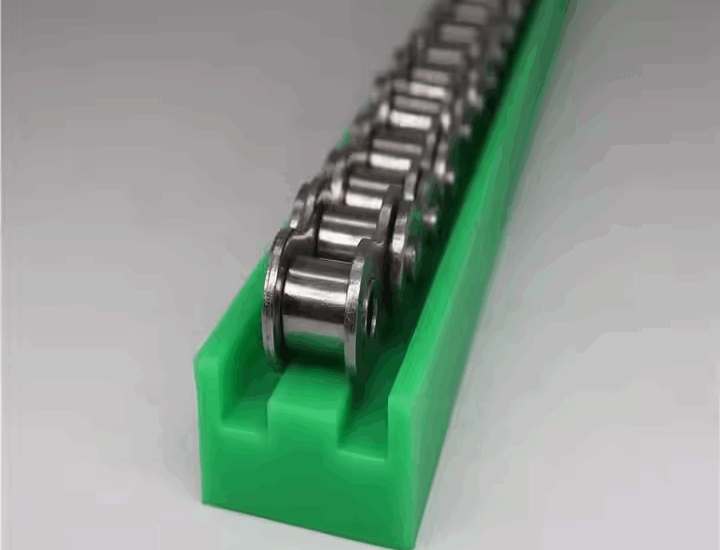
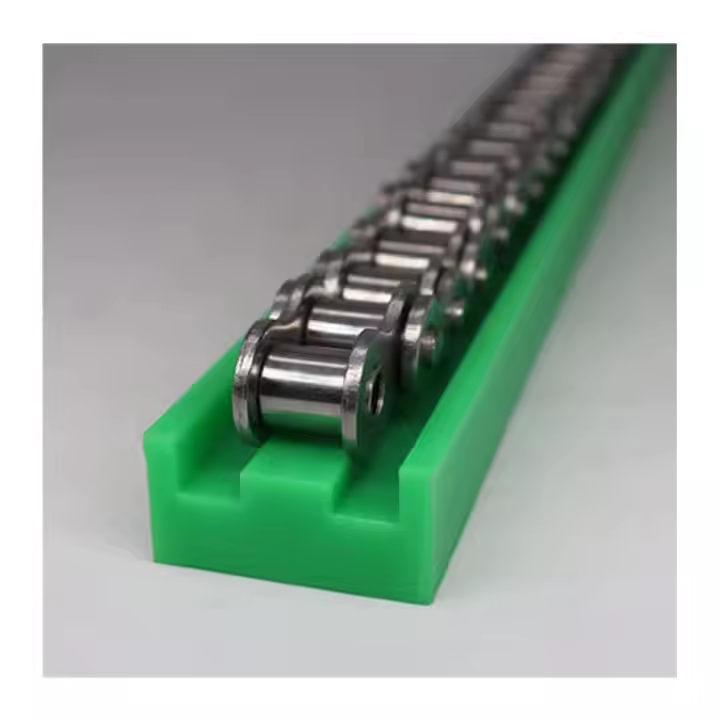
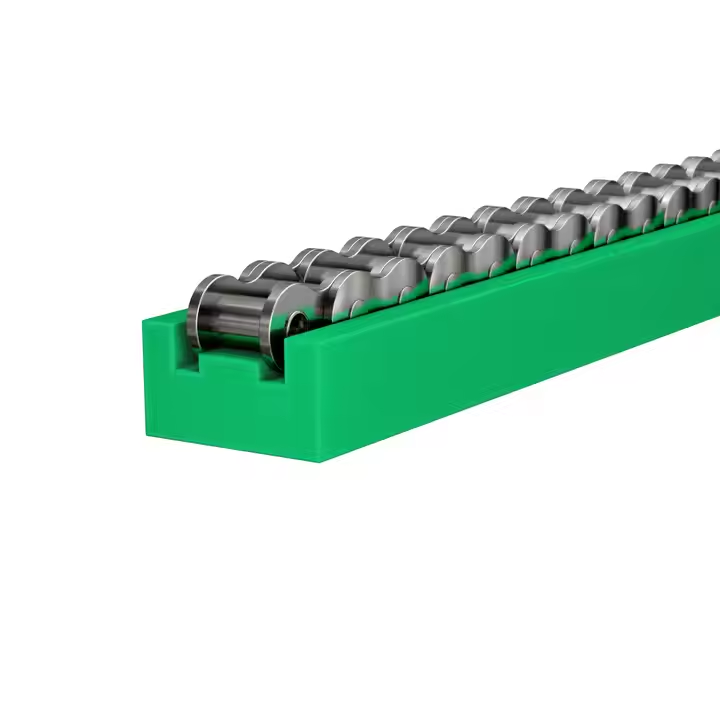
A UHMW wear strip, short for Ultra – High Molecular Weight Wear Strip, is a crucial component in conveyor systems. It is made from ultra – high molecular weight polyethylene (UHMWPE), a type of thermoplastic polymer. UHMWPE is characterized by its extremely long molecular chains, with a molecular weight typically ranging from 3.5 to 7.5 million. This unique molecular structure endows the material with remarkable properties that make it ideal for wear – strip applications.
In terms of structure, a UHMW wear strip is usually a long, narrow strip. Its dimensions can vary depending on the specific conveyor system it is designed for, but it generally has a consistent cross – section throughout its length. The strip is engineered to be installed in areas where the conveyor belt comes into contact with other components, such as pulleys, idlers, or side guides. Its main function is to act as a buffer between the belt and these components, reducing the direct friction that would otherwise occur.
The Problem with Friction in Conveyor Belts
Friction is an inevitable force in conveyor belt operations, but it brings about a host of problems that can significantly impact the efficiency and longevity of the system.
One of the most evident issues is wear and tear. When the conveyor belt continuously rubs against pulleys, idlers, or side guides, the constant friction gradually wears down the belt material. Over time, this leads to thinning of the belt, development of grooves, and eventually, belt failure. For example, in a mining operation where conveyor belts transport large volumes of ore over long distances, the abrasive nature of the ore combined with the friction from the conveyor components can cause the belt to deteriorate rapidly. A study in the mining industry found that belts without proper anti – friction measures needed to be replaced every few months due to excessive wear.
In addition to physical damage, friction also increases energy consumption. More power is required to overcome the frictional resistance and keep the conveyor belt moving. This not only leads to higher electricity bills but also puts additional stress on the motors and drive systems. In industrial settings with multiple conveyor belts running continuously, the cumulative increase in energy consumption can be substantial. A factory that operates around the clock may see a significant portion of its energy budget being spent on compensating for the frictional losses in the conveyor systems.
Moreover, friction can cause the conveyor belt to slip or mistrack. Slippage occurs when the frictional force between the belt and the drive pulley is insufficient, resulting in a loss of power transmission. This can lead to inconsistent material flow, slow – downs in production, and even complete stoppages. Mistracking, on the other hand, is when the belt runs off – center, which can cause further friction on the side guides and eventually lead to damage to the belt edges. In a food processing plant, for instance, if a conveyor belt slips or mistracks, it can disrupt the precise movement of food products, leading to product quality issues and production inefficiencies.
How UHMW Wear Strip Reduces Friction
The UHMW wear strip is highly effective in reducing friction due to several of its inherent properties. First and foremost, its surface is extremely smooth. The manufacturing process of UHMWPE results in a material with a very low surface roughness. This smoothness means that when the conveyor belt slides over the UHMW wear strip, there are fewer irregularities to catch on, minimizing the resistance that would otherwise cause friction.
UHMW wear strip has an impressively low coefficient of friction. The coefficient of friction is a measure of how easily one surface slides over another. For UHMWPE, this value is significantly lower than that of many traditional materials used in conveyor systems. For example, compared to metal components that the conveyor belt might otherwise contact, the coefficient of friction of UHMW is about one – fifth to one – tenth lower in some cases. This low coefficient allows the belt to move more freely, reducing the frictional forces acting on it.
Another factor contributing to friction reduction is the self – lubricating nature of UHMW. Even without the addition of external lubricants, UHMW wear strips can operate smoothly. The long – chain molecules in UHMWPE have a certain degree of flexibility, and as the belt moves, these molecules can rearrange slightly to provide a lubricating effect. This self – lubricating property ensures that the friction – reducing performance of the UHMW wear strip remains consistent over time, without the need for frequent re – lubrication, which can be costly and time – consuming in industrial settings.
Benefits Beyond Friction Reduction
While friction reduction is the primary function of UHMW wear strips, their benefits extend far beyond this aspect, bringing multiple advantages to conveyor belt systems.
One of the most significant additional benefits is the extension of conveyor belt lifespan. By minimizing the wear and tear caused by friction, UHMW wear strips protect the conveyor belt from premature degradation. In a manufacturing plant that uses conveyor belts to transport products continuously, the use of UHMW wear strips can double or even triple the lifespan of the belts. For example, a plant that previously replaced its conveyor belts every year due to wear – related issues can now extend this replacement cycle to three years with the installation of UHMW wear strips. This not only reduces the frequency of belt replacements but also the associated costs of purchasing new belts and the labor required for installation.
Reducing maintenance costs is another major advantage. With less friction – induced damage, there are fewer repairs needed for the conveyor belt and related components. Fewer belt replacements mean less downtime for the conveyor system, which is crucial for maintaining production schedules. Additionally, the self – lubricating property of UHMW wear strips eliminates the need for regular application of external lubricants, further cutting down on maintenance expenses. A warehouse that has multiple conveyor belts can save thousands of dollars annually in maintenance costs by using UHMW wear strips, as it reduces the need for frequent inspections, repairs, and lubrication tasks.
UHMW wear strips also contribute to improved production efficiency. Since they prevent belt slippage and mistracking, the material flow on the conveyor belt remains consistent and smooth. This ensures that products are transported accurately and on – time, reducing production bottlenecks. In a packaging facility, for instance, the use of UHMW wear strips can increase the number of packages processed per hour by ensuring that the conveyor belt operates at its optimal speed without disruptions. Moreover, the reduced energy consumption due to lower friction means that the conveyor system can run more efficiently, allowing the overall production process to be more productive and cost – effective.
Installation and Maintenance of UHMW Wear Strip
Installation Steps
- Prepare the installation area: Thoroughly clean the surface where the UHMW wear strip will be installed. Remove any dirt, debris, or old adhesive residues. This ensures a strong bond between the wear strip and the conveyor component. For example, if installing on a pulley, use a degreaser and a clean cloth to wipe down the surface.
- Measure and cut the wear strip: Measure the length required according to the specific conveyor part. UHMW wear strips are often supplied in long rolls, so accurate cutting is essential. Use a sharp utility knife or a saw suitable for plastic materials to cut the strip to the correct length. Make sure the cut edges are smooth to prevent any protrusions that could damage the conveyor belt.
- Apply adhesive (if applicable): Some UHMW wear strips are installed using adhesives. Choose an adhesive that is compatible with both the UHMW material and the conveyor component. Apply the adhesive evenly on either the back of the wear strip or the installation surface, following the adhesive manufacturer’s instructions. For instance, a two – part epoxy adhesive may be used for a more permanent and strong bond in high – stress areas.
- Install the wear strip: Carefully position the wear strip on the conveyor component, aligning it precisely. Press it firmly into place to ensure good contact, especially when using adhesive. If the wear strip is being installed on a side guide, make sure it is parallel to the conveyor belt’s running path.
Daily Inspection
- Visual inspection: Regularly check the UHMW wear strip for any signs of wear, damage, or displacement. Look for cracks, chips, or excessive wear marks on the surface. Check if the strip has come loose from its installation position. A quick visual inspection during the start – up or shut – down of the conveyor system can help identify any emerging issues early.
- Belt – strip interaction check: Observe how the conveyor belt moves over the wear strip. Ensure that there is no abnormal noise, vibration, or resistance during operation. Unusual noises could indicate that the strip is not installed properly or has become damaged, leading to increased friction.
Maintenance Points
- Cleaning: Periodically clean the UHMW wear strip to remove any accumulated dust, debris, or substances from the conveyed materials. A simple wipe – down with a clean, damp cloth can be sufficient for most cases. In more dusty or dirty environments, a mild detergent solution may be used, followed by thorough rinsing and drying to prevent any residue from affecting the strip’s performance.
- Replacement: When the wear strip shows significant wear, such as a reduction in thickness that may compromise its friction – reducing ability, or if it is severely damaged, it should be replaced promptly. Follow the installation steps again to install a new wear strip. Keeping spare UHMW wear strips in stock can minimize downtime during replacement.
Real-World Success Stories
Case 1: Mining Industry
Case 2: Food Processing Plant
A food processing plant that produced canned goods was experiencing problems with its conveyor belts. The belts were mistracking and slipping, which led to inaccurate positioning of the cans during the filling and sealing processes. This resulted in a high rate of product defects, with about 5% of the canned goods being rejected due to improper filling or sealing.
Once UHMW wear strips were installed on the side guides and drive pulleys of the conveyor system, the mistracking and slippage issues were resolved. The low – friction UHMW material allowed the belts to run smoothly and stay on track. As a result, the product defect rate dropped to less than 1%. The improved efficiency also increased the production output by 15%. The plant was able to save on costs associated with product waste and rework, and at the same time, meet the growing market demand for its products more effectively.
Case 3: E – commerce Warehouse
After implementing UHMW wear strips, the energy consumption of the conveyor systems decreased by 20%. The extended lifespan of the conveyor belts meant that they only needed to be replaced every two years instead of annually. The warehouse also noticed a significant reduction in maintenance time, as there were fewer belt – related issues to address. This allowed the warehouse to allocate its maintenance resources more effectively. With the improved conveyor system performance, the warehouse was able to handle a 30% increase in package volume during peak seasons without any major disruptions, enhancing its competitiveness in the e – commerce market.
Making the Right Choice for Your Conveyor Belt
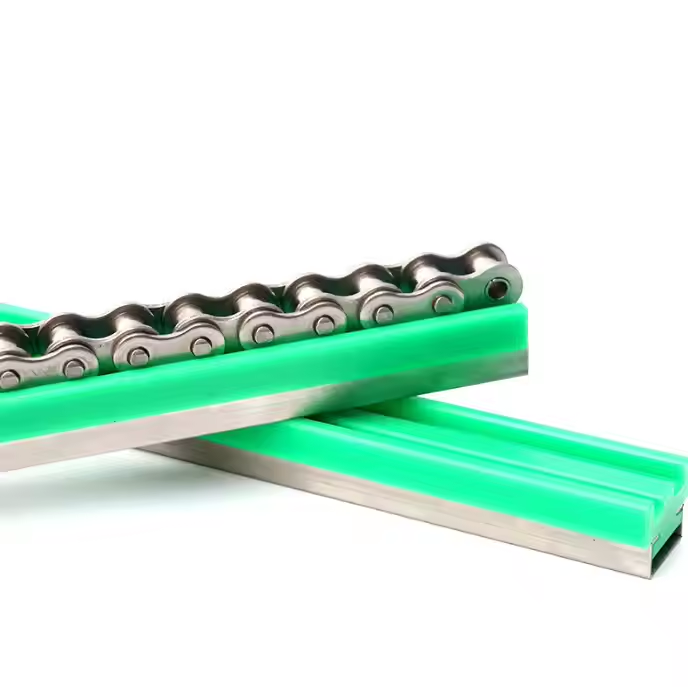
Selecting the appropriate UHMW wear strip for your conveyor belt is crucial to ensure optimal performance and long – term cost – effectiveness. There are several key factors to consider during the selection process.
First and foremost, the type of conveyor system and its specific application play a significant role. For example, in a high – temperature environment such as a glass manufacturing plant, you need to choose a UHMW wear strip with good heat – resistance properties. Some UHMW wear strips are formulated to withstand temperatures up to a certain limit without losing their mechanical integrity and friction – reducing capabilities. In contrast, in a food processing environment, hygiene is of utmost importance. Look for UHMW wear strips that are certified food – grade, ensuring that they do not contaminate the products being transported.
The size and dimensions of the conveyor components also matter. Measure the area where the wear strip will be installed accurately. The width, thickness, and length of the UHMW wear strip should match the requirements of the conveyor pulley, idler, or side guide. A strip that is too narrow may not provide sufficient protection, while one that is too wide can cause misalignment issues and additional friction.
Another factor to consider is the expected load and wear rate. In heavy – duty applications like mining, where conveyor belts carry large volumes of abrasive materials, a thicker and more durable UHMW wear strip is needed. These wear strips are designed to withstand high – pressure contact and continuous abrasion over long periods. On the other hand, in a light – duty application such as a small – scale packaging operation, a standard – duty UHMW wear strip may be sufficient.
When choosing a UHMW wear strip, it is also advisable to consider the reputation and quality of the manufacturer. Look for manufacturers with a proven track record in producing high – quality UHMW products. Read customer reviews and case studies to gauge the performance and reliability of their wear strips. A reliable manufacturer will often provide technical support, helping you with the selection process and offering advice on installation and maintenance. Additionally, compare the prices of different UHMW wear strips from various suppliers. While cost should not be the sole determining factor, finding a balance between quality and price can help you make a more cost – effective choice.
Embrace the UHMW Wear Strip Advantage
In summary, the UHMW wear strip is a remarkable solution for conveyor belt systems. It effectively addresses the friction – related problems that have long plagued industries relying on conveyor belts. By reducing friction, it not only safeguards the conveyor belt from premature wear and tear but also contributes to significant cost – savings in the long term.
The installation and maintenance of UHMW wear strips are relatively straightforward, making it an accessible option for companies of all sizes. The real – world success stories serve as compelling evidence of its effectiveness, with various industries experiencing enhanced productivity, reduced energy consumption, and minimized operational disruptions.
As you consider the performance and efficiency of your conveyor belt systems, don’t overlook the potential of UHMW wear strips. Make an informed choice, select the right product for your specific needs, and take the first step towards optimizing your conveyor operations. Embrace the UHMW wear strip advantage today and unlock a new level of performance and profitability for your business.