
- September 24, 2025
- Posted by: feinuojixie
- Category: Chain Guides News
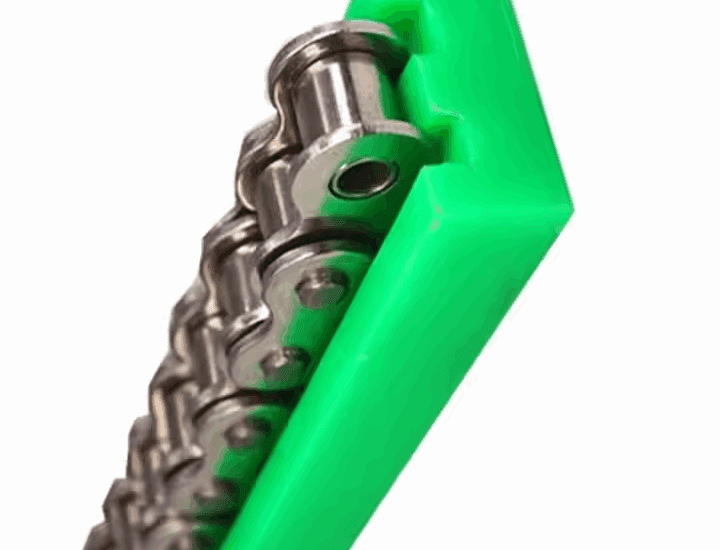
Sprockets play a pivotal role in mechanical transmission systems. They are toothed wheels that mesh with chains, belts, or other perforated components, ensuring the efficient transfer of power and motion between different parts of a machine. Whether it’s a bicycle allowing you to pedal smoothly, a motorcycle roaring down the road, or a complex industrial conveyor system moving goods in a factory, sprockets are the unsung heroes making these operations possible.
In this comprehensive “The Ultimate Sprocket Guide: Types, Configurations & More,” we will take you on a deep – dive into the world of sprockets. You’ll discover the various types available, how they are configured for different applications, and much more. Whether you’re an engineer in need of technical details for a project, a DIY enthusiast working on a mechanical repair, or simply someone curious about the inner workings of machines, this guide is designed to provide you with all the knowledge you need about sprockets.
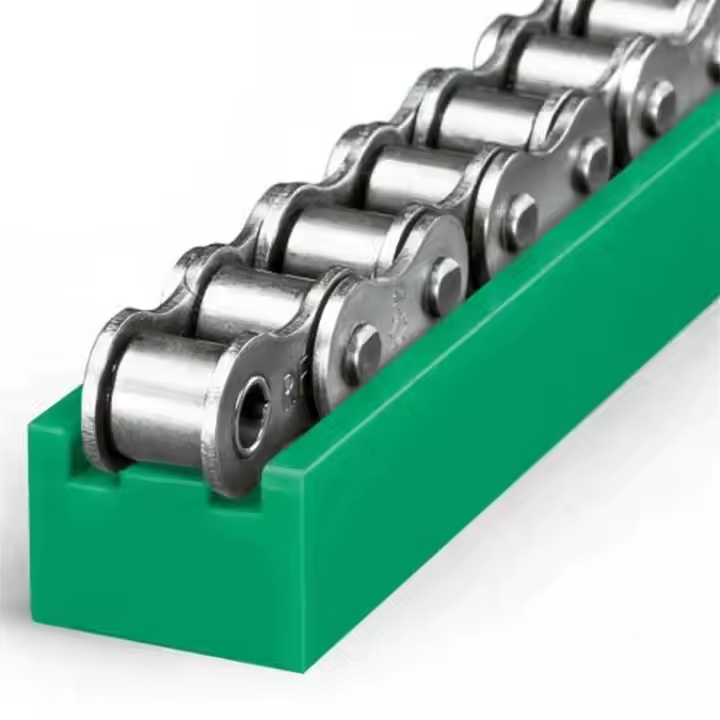
Types of Sprockets
Simplex Sprocket
A simplex sprocket is the most basic type. It consists of a single row of teeth around its circumference. This simplicity in structure makes it easy to manufacture and cost – effective. In a bicycle, the rear sprocket is often a simplex sprocket. As you pedal, the chain meshes with this simplex sprocket, transferring the rotational motion from the pedals to the rear wheel, allowing the bike to move forward. In small – scale industrial machinery, such as some light – duty conveyor systems in a small workshop, simplex sprockets are used to drive the chains that move lightweight items along the conveyor belt.
Double Single Sprocket
The double single sprocket, also known as a double – row sprocket, has two distinct rows of teeth. This design is more complex than the simplex sprocket. The double – row structure provides increased stability and load – bearing capacity. In applications where there is a need for more power transmission and greater stability, such as in some industrial engines or heavy – duty construction equipment like certain types of excavators, double single sprockets are utilized. The two rows of teeth engage with a double – row chain, ensuring that the power transfer is more reliable, even under high – torque and high – stress conditions.
JIS Sprocket
A JIS sprocket adheres to the standards set by the Japanese Industrial Standards (JIS). These sprockets are known for their high precision and quality. JIS has specific standards regarding the tooth profile, pitch diameter, and overall dimensions of the sprockets. In the Japanese automotive industry, especially in the production of motorcycles and some small – sized engines, JIS sprockets are commonly used. They ensure compatibility and smooth operation within the machinery. Additionally, in many Japanese – made industrial machines, such as textile machinery and some precision – manufacturing equipment, JIS sprockets play a crucial role in maintaining the high – quality performance of the machinery.
ASA Sprocket
An ASA sprocket follows the standards of the American Standards Association (ASA). Compared to JIS sprockets, ASA sprockets may have differences in dimensions and tooth – shape specifications. For example, the pitch and tooth profile might be designed according to different engineering requirements. In the United States, ASA sprockets are widely used in various industries, including the agricultural machinery sector. Tractors and other farm equipment often rely on ASA – standard sprockets to drive chains for functions like power take – off (PTO) systems. These sprockets are also common in the manufacturing of some American – made industrial conveyors, where they are designed to work in sync with other components in the system based on the ASA standards.
Idler Sprocket with Ball Bearing
An idler sprocket with a ball bearing is designed to reduce friction and wear in a chain – drive system. The ball bearing inside the idler sprocket allows the sprocket to rotate smoothly with minimal resistance. When a chain moves over an idler sprocket with a ball bearing, the rolling action of the balls in the bearing reduces the frictional forces between the chain and the sprocket. In large – scale conveyor systems used in warehouses or mining operations, these idler sprockets with ball bearings are installed at various points along the conveyor path. They help to guide the chain, maintain proper tension, and reduce the energy required to move the chain, ultimately increasing the overall efficiency and lifespan of the conveyor system.
Configurations of Sprockets
Drive Sprocket Configuration
The drive sprocket is the key component that initiates the power transfer in a chain – drive system. It is connected to a power source, such as an engine or a motor. When the power source rotates, the drive sprocket rotates accordingly. As the drive sprocket turns, its teeth engage with the links of the roller chain, pulling the chain forward.
The number of teeth on a drive sprocket has a significant impact on the transmission ratio and the overall performance of the system. A drive sprocket with fewer teeth will result in a higher rotational speed of the chain for a given rotational speed of the power source. However, it may also lead to increased wear and tear on the chain and sprocket due to the higher stress at the tooth – chain interface. On the other hand, a drive sprocket with more teeth can provide a more stable and efficient power transfer, but it may reduce the overall speed of the chain.
The pitch of the drive sprocket, which is the distance between adjacent teeth, also affects the power transmission. A larger pitch can handle higher loads and transmit more power, but it may limit the speed of the system due to the larger size of the teeth and the increased inertia. In a motorcycle engine, a drive sprocket with a carefully chosen number of teeth and pitch is used to ensure that the engine’s power is efficiently transferred to the rear wheel, providing the right balance of speed and torque for different riding conditions.
Driven Sprocket Configuration
The driven sprocket is the sprocket that receives the motion and power from the chain driven by the drive sprocket. As the chain moves, it causes the driven sprocket to rotate. The driven sprocket is usually connected to a load, such as a wheel, a shaft, or a mechanical component that needs to perform a specific task.
The relationship between the driven sprocket and the load is crucial. The size of the driven sprocket relative to the drive sprocket determines the speed and torque of the load. If the driven sprocket is larger than the drive sprocket, the load will rotate at a slower speed but with higher torque. This is useful in applications where a lot of force is required to move a heavy object, such as in a conveyor system moving large and heavy boxes.
Matching the driven sprocket to the load correctly is essential for optimal performance. If the sprocket is too small for the load, it may not be able to provide enough torque, leading to slow operation or even failure to move the load. Conversely, if the sprocket is too large, the load may rotate too slowly, wasting energy and reducing productivity. In a factory production line, the driven sprockets on the conveyor belts are sized according to the weight and speed requirements of the products being transported to ensure smooth and efficient operation.
Tension Sprocket Configuration
The tension sprocket plays a vital role in maintaining the proper tension of the chain in a chain – drive system. Over time, due to wear and elongation of the chain, or changes in the operating conditions, the chain may become loose. A loose chain can cause problems such as slipping, reduced power transfer efficiency, and increased noise.
The tension sprocket is designed to adjust the tension of the chain. It is usually mounted on an adjustable bracket or a spring – loaded mechanism. Common installation positions for tension sprockets are at the slack side of the chain, where the chain has the most room for adjustment. For example, in a bicycle, a tension sprocket may be installed near the rear wheel to keep the chain tight as the rider pedals.
There are different ways to adjust the tension of the sprocket. In some cases, the sprocket can be moved along a slot or a track by turning a bolt or a screw. This allows the operator to manually adjust the tension according to the needs of the system. In other systems, a spring – loaded tension sprocket automatically adjusts the tension. The spring exerts a force on the sprocket, pushing it against the chain to keep the chain taut, regardless of any minor changes in the chain’s length.
Multiple Sprocket Configuration
In more complex mechanical systems, multiple sprockets are often used in combination. This allows for more versatile power transmission and the achievement of different speed and torque ratios. A common example is in a motorcycle, where a multi – sprocket system (including a drive sprocket on the engine, multiple intermediate sprockets, and a driven sprocket on the rear wheel) enables the rider to shift gears. Each gear corresponds to a different combination of sprockets, providing different ratios of speed and torque for acceleration, cruising, and climbing hills.
In industrial production lines, multiple sprocket configurations are also widely used. For instance, in a large – scale manufacturing plant that produces automotive parts, a conveyor system may use multiple sprockets to transfer parts between different workstations. Some sprockets may be used to change the direction of the chain, while others are used to adjust the speed of the conveyor at different sections of the production line. This complex arrangement of sprockets ensures that the production process runs smoothly and efficiently, with parts being transported precisely to where they are needed at the right time.
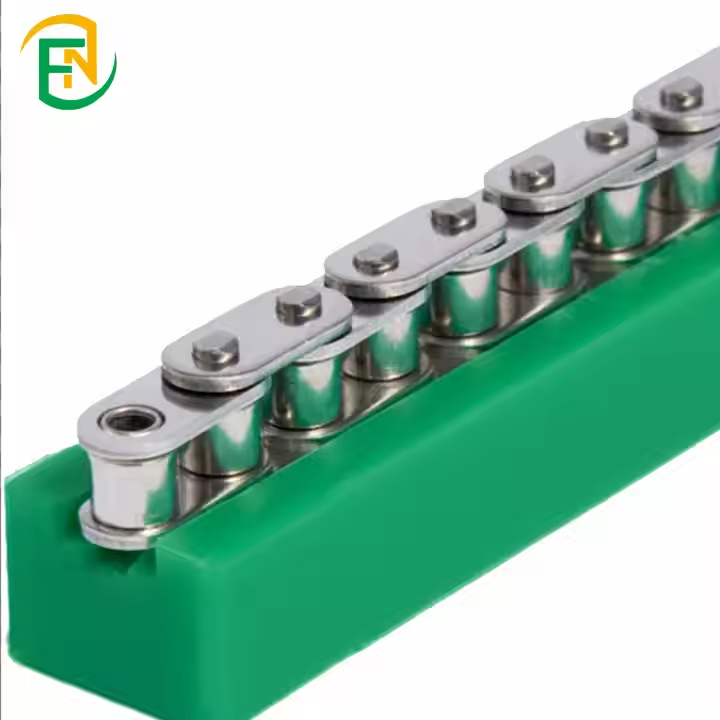
The Role of Roller Chain Guide in Sprockets
Guiding the Chain Movement
A roller chain guide serves as a crucial component in ensuring that the roller chain moves along the intended path. It acts like a traffic cop for the chain, keeping it in line as it meshes with the sprockets. Without a roller chain guide, the chain can easily deviate from its proper route. This deviation, known as chain,can occur due to various factors such as uneven tension in the chain, misalignment of the sprockets, or external forces acting on the chain.
When a chain runs off – track, it can cause the chain to jump off the sprocket teeth, a phenomenon called. In a bicycle, for example, if the chain guide is not properly installed or is damaged, the chain may suddenly come off the sprockets while riding. This not only disrupts the power transfer from the pedals to the wheels but can also be dangerous, especially when riding at high speeds. In industrial applications, such as in conveyor systems, chain derailment can lead to production stoppages, damage to the products being transported, and potential safety hazards for workers. The roller chain guide prevents these issues by providing a physical barrier or track that the chain follows, ensuring that it remains in constant and proper engagement with the sprockets.
Reducing Friction and Wear
Friction is an inevitable force in any mechanical system, and in a sprocket – chain system, it can cause significant wear and tear on both the chain and the sprockets. The roller chain guide plays a vital role in reducing this friction. It is typically made of materials with low – friction properties, such as certain types of plastics or specially coated metals. When the chain moves over the guide, the smooth surface of the guide allows the chain to slide or roll with minimal resistance.
As the chain slides on the guide, the contact between the chain and the guide is distributed evenly. This even distribution of contact reduces the localized stress points that would otherwise occur if the chain were to rub directly against the sprocket teeth or other rough surfaces. In a motorcycle’s chain – drive system, the roller chain guide helps to keep the chain in the correct position while also reducing the friction between the chain and the surrounding components. Over time, reduced friction means less energy is wasted in the form of heat and mechanical resistance. This, in turn, leads to a decrease in the rate of wear of the chain and sprockets. When the chain and sprockets experience less wear, their lifespan is extended. This not only saves costs associated with frequent replacements but also increases the overall reliability of the mechanical system. For instance, in a large – scale industrial production line that operates continuously, having components with a longer lifespan due to the presence of a roller chain guide can prevent unexpected breakdowns and keep the production process running smoothly.
Ensuring Smooth Operation
During the operation of a sprocket – chain system, the chain experiences vibrations and generates noise as it meshes with the sprockets. These vibrations and noise are mainly caused by the impact between the chain links and the sprocket teeth, as well as the natural flexibility of the chain. A well – designed roller chain guide can significantly reduce these vibrations and noise levels.
The guide provides a stable support for the chain, dampening the vibrations that occur during the chain’s movement. It acts as a shock absorber, minimizing the impact forces generated when the chain engages with the sprockets. In a high – speed conveyor system, the chain moves rapidly, and without a roller chain guide, the vibrations could be so severe that they would cause the entire conveyor structure to shake. This not only creates a noisy working environment but can also lead to premature wear of the conveyor components and potential damage to the products being transported. By reducing vibrations, the roller chain guide improves the overall stability of the transmission system. A more stable system is less likely to experience sudden changes in speed or torque, which can be detrimental to the performance of the machinery. In a precision – manufacturing machine, for example, a stable chain – drive system ensured by a roller chain guide is essential for maintaining the accuracy of the manufacturing process. It allows the machine to operate smoothly and consistently, producing high – quality products with tight tolerances.
Choosing the Right Sprocket and Roller Chain Guide
Consideration of Load Requirements
When it comes to choosing the right sprocket and roller chain guide, load requirements are a fundamental factor to consider. For light – load applications, such as in small – scale office equipment like a simple document feeder conveyor, a simplex sprocket with a relatively small pitch and a lightweight roller chain guide made of plastic may be sufficient. The sprocket can easily transfer the low – torque power, and the plastic guide can effectively guide the chain while being cost – effective.
In contrast, for heavy – load applications like a large – scale mining conveyor that transports tons of ore, a double single sprocket or a sprocket with a larger pitch is necessary. A larger – pitch sprocket can handle the high – torque loads without experiencing excessive wear or deformation. The roller chain guide in such a scenario needs to be made of a more durable material, like hardened steel. Steel guides can withstand the high – stress forces exerted by the heavy chain and the large – scale movement of the conveyor, ensuring the chain stays on track even under extreme load conditions.
Speed and Torque Considerations
The speed and torque of the transmission system are crucial aspects in selecting sprockets and roller chain guides. In high – speed applications, such as in a high – performance motorcycle engine where the drive sprocket rotates at a very high speed, the sprocket needs to be precisely engineered. A sprocket with a smaller number of teeth can help achieve higher chain speeds, but it must be made of high – strength materials to withstand the centrifugal forces generated at high speeds.
For torque – intensive applications, like a construction crane’s winch system, a sprocket with a larger number of teeth and a larger pitch is required. This configuration allows the sprocket to transmit high torque to the chain without slipping. The roller chain guide in high – speed or high – torque applications should also be designed to minimize friction. Special coatings or self – lubricating materials can be used for the guide to reduce the resistance against the fast – moving chain or the chain under high – torque loads, ensuring smooth operation and reducing energy losses.
Compatibility with Other Components
Compatibility between the sprocket, roller chain guide, and other mechanical components is essential for the proper functioning of the entire system. The sprocket must be compatible with the chain in terms of pitch, number of teeth, and tooth profile. For example, a standard roller chain with a specific pitch should only be used with a sprocket that has the same pitch specification. Mismatched sprockets and chains can lead to premature wear, chain jumping, and reduced power transmission efficiency.
The sprocket also needs to be compatible with the shaft it is mounted on. The bore diameter of the sprocket must match the diameter of the shaft, and proper keyways or other fastening mechanisms should be in place to ensure a secure connection. The roller chain guide should be designed to work in harmony with the chain and sprocket. It should be installed in a way that does not interfere with the normal meshing of the chain and sprocket. Additionally, if the system has bearings to support the rotation of the sprocket, the sprocket and roller chain guide should be designed in a way that does not cause excessive stress on the bearings, ensuring the long – term reliability of the entire mechanical assembly.
Maintenance and Troubleshooting
Regular Maintenance of Sprockets and Roller Chain Guides
Regular maintenance is essential to ensure the long – term performance and reliability of sprockets and roller chain guides. First and foremost, cleaning is a fundamental maintenance task. Over time, sprockets and roller chain guides can accumulate dirt, dust, and debris. This accumulation not only affects the appearance but can also interfere with the smooth operation of the chain – drive system. For example, in a factory environment where there is a lot of airborne dust, the sprockets and guides on the conveyor system need to be cleaned regularly. A soft – bristle brush can be used to remove the loose debris, and a suitable solvent can be applied to dissolve any stubborn grease or dirt.
Lubrication is another crucial aspect of maintenance. Proper lubrication reduces friction between the chain and the sprockets and guides. High – quality lubricants designed specifically for chain – drive systems should be used. These lubricants often have anti – wear and anti – corrosion properties. In a motorcycle chain – drive system, a lubricant is applied to the chain at regular intervals. The lubricant should be evenly distributed along the length of the chain and on the teeth of the sprockets. This helps to prevent premature wear and ensures smooth power transmission.
Inspecting for wear is also necessary. Regularly check the teeth of the sprockets for signs of wear, such as uneven tooth profiles, chipped teeth, or excessive thinning. The roller chain guides should also be inspected for wear. If the guide surface shows signs of grooves or excessive wear, it may need to be replaced. In an industrial setting, a visual inspection of the sprockets and guides can be carried out during routine maintenance checks. Additionally, measuring tools can be used to accurately measure the wear of critical components to determine if replacement is required.
Common Problems and Solutions
One of the most common problems in sprocket – chain systems is chain loosening. This can occur due to elongation of the chain over time or improper initial tensioning. A loose chain can cause slipping, which reduces the power transfer efficiency and may lead to abnormal noise during operation. To solve this problem, the tension of the chain needs to be adjusted. In some cases, if the chain has elongated significantly, it may be necessary to remove a few links to restore the proper tension. For example, in a bicycle, the chain tension can be adjusted by moving the rear wheel slightly backward or forward in the frame’s dropouts.
Uneven wear of sprockets is another common issue. This can be caused by misalignment of the sprockets, uneven loading, or a poor – quality chain. When sprockets wear unevenly, it can lead to erratic chain movement and premature failure of both the sprockets and the chain. To address this, first, check for sprocket misalignment. If misalignment is detected, it should be corrected by adjusting the mounting positions of the sprockets. Using a high – quality chain and ensuring even loading on the sprockets can also help prevent uneven wear. In a conveyor system, if the sprockets are misaligned, realigning them can be a complex process that may involve precision measuring tools and careful adjustments of the conveyor structure.
Chain jamming is yet another problem that can occur. This often happens when foreign objects get stuck between the chain and the sprockets or guides. It can also be caused by a deformed chain link. When a chain jams, it can cause sudden stoppages in the operation of the machinery. To solve this, immediately stop the machinery and carefully remove the foreign object. If a chain link is deformed, it may need to be replaced. In a printing press, for example, if a small piece of paper gets caught in the chain – drive system, it can cause the chain to jam, and the press will stop working. Removing the paper and inspecting the chain for any damage is necessary to resume normal operation.
Conclusion
In conclusion, understanding sprockets is crucial for anyone involved in mechanical systems. We’ve explored various sprocket types, from the simple simplex sprocket to more complex ones like the double single sprocket, and those following specific standards such as JIS and ASA sprockets. The configurations of sprockets, including drive, driven, tension, and multiple sprocket setups, each play a distinct role in power transmission and system operation.
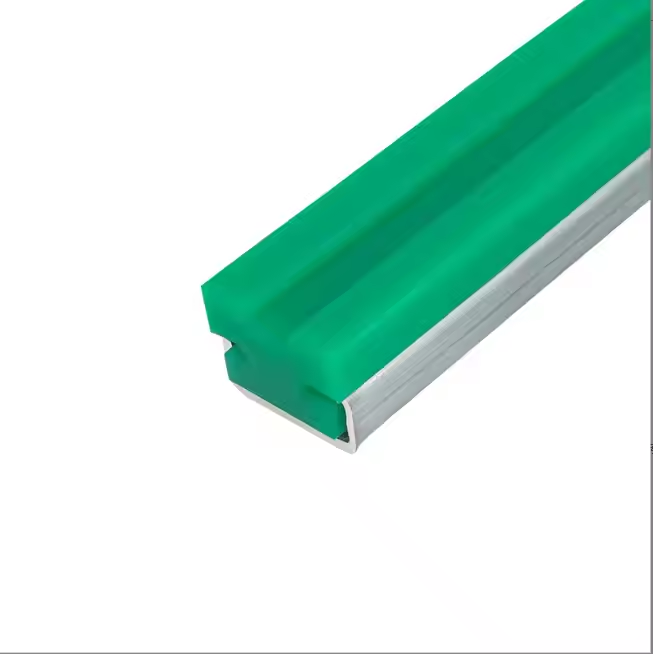
The roller chain guide, an essential component in sprocket – chain systems, ensures smooth and reliable operation. It guides the chain, reduces friction and wear, and contributes to the overall stability of the system. When choosing sprockets and roller chain guides, factors like load requirements, speed, torque, and compatibility with other components must be carefully considered.
Regular maintenance, such as cleaning, lubrication, and wear inspection, is the key to prolonging the lifespan of sprockets and roller chain guides. By being aware of common problems like chain loosening, uneven sprocket wear, and chain jamming, and knowing how to solve them, you can keep your mechanical systems running efficiently.
Whether you’re an engineer designing a new machine, a technician maintaining industrial equipment, or a hobbyist working on a DIY project, the knowledge of sprockets and roller chain guides provided in this guide will serve as a valuable resource. Apply this knowledge in your practical applications, make informed decisions, and enjoy the smooth operation and long – term reliability of your mechanical systems.