
- September 25, 2025
- Posted by: feinuojixie
- Category: Chain Guides News
Conveyor belts are workhorses in countless industries, from manufacturing plants to mining operations and food processing facilities. However, they are constantly under siege from various elements that cause wear and fraying. One of the primary culprits is friction. When a conveyor belt moves, it rubs against multiple components. For instance, the contact between the belt and the pulleys that drive its movement can generate significant friction. The continuous sliding action over time gradually wears down the surface of the belt. If the pulleys are not properly aligned or maintained, the friction can be unevenly distributed, leading to accelerated wear in certain areas.
The conveyor belt also rubs against the frames or guides that keep it in place. These stationary components can create abrasive forces, especially if there are any sharp edges or rough surfaces on the frames. Additionally, the items being transported on the conveyor belt play a role. Heavy, sharp – edged, or abrasive materials can scrape against the belt, causing it to fray. In a mining operation, for example, rocks being conveyed can scratch and wear the belt’s surface, while in a recycling plant, sharp pieces of metal or glass can do the same.
The Impact of Friction on Conveyor Belt Performance
Excessive friction on conveyor belts has far – reaching consequences. First and foremost, it reduces the efficiency of the conveyor system. More energy is required to move the belt when there is high friction. This means that motors have to work harder, consuming more electricity or fuel, depending on the power source. In large – scale industrial operations, this increased energy consumption can lead to substantial cost increases over time.
Friction also takes a toll on the lifespan of the conveyor belt. The constant abrasion weakens the structure of the belt, causing it to develop cracks, tears, and frayed edges. As the belt deteriorates, it becomes more prone to failure. A sudden belt breakage can bring an entire production line to a halt, resulting in costly downtime. Workers may have to stop production, remove the damaged belt, and install a new one, which can waste hours or even days of productive time, depending on the complexity of the conveyor system.
How Plastic Wear Strips Work Their Magic
The Science Behind Friction Reduction
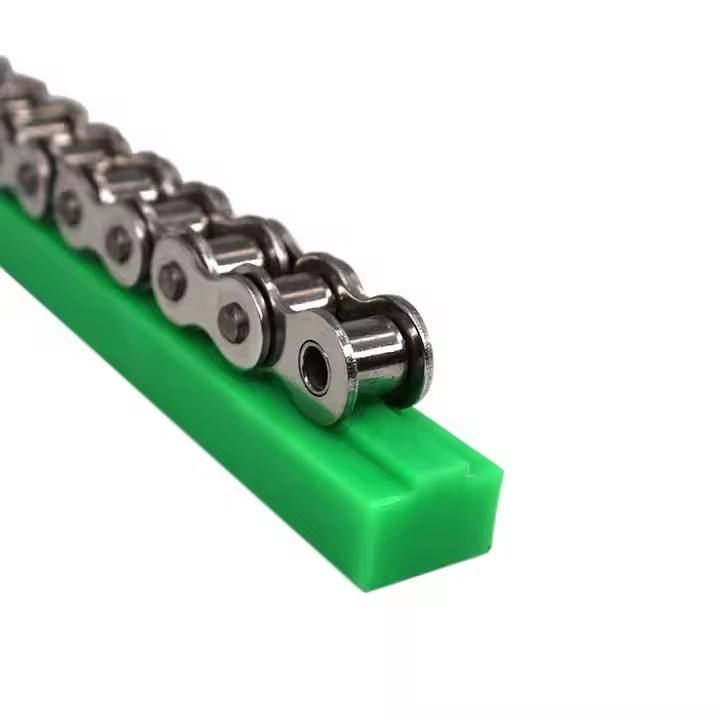
Plastic wear strips are designed with materials that have a low coefficient of friction. This means that when the conveyor belt moves against the plastic wear strip, the force required to overcome the resistance between the two surfaces is significantly reduced. For example, materials like ultra – high – molecular – weight polyethylene (UHMWPE) are commonly used in plastic wear strips. UHMWPE has an extremely smooth surface at the molecular level. When compared to the rough surfaces that a conveyor belt might otherwise rub against, such as metal frames with minor imperfections, the smoothness of UHMWPE allows the belt to glide more easily.
The low – friction coefficient of plastic wear strips is a result of their molecular structure. The long – chain polymers in plastics like UHMWPE are arranged in a way that minimizes the intermolecular forces between the plastic and the conveyor belt. This lack of strong adhesive forces between the two surfaces reduces the amount of energy dissipated as heat due to friction. In contrast, when the belt rubs directly against a high – friction surface, more energy is wasted in the form of heat, and the belt experiences more wear and tear.
The Installation and Functioning of Plastic Wear Strips
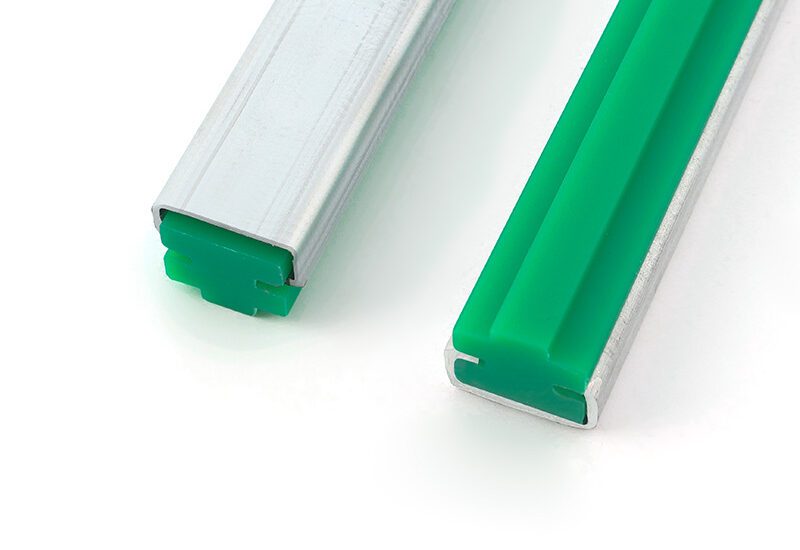
Plastic wear strips are typically installed along the edges of the conveyor belt where it comes into contact with the frames or guides, or around the pulleys. They can be attached using various methods, such as screws, adhesives, or snap – on mechanisms, depending on the design of the conveyor system and the type of plastic wear strip.
Once installed, the plastic wear strip acts as a protective barrier between the conveyor belt and the potentially abrasive components of the conveyor system. As the belt moves, the plastic wear strip takes the brunt of the friction. It continuously provides a smooth and low – friction interface for the belt to slide over. Even as the plastic wear strip itself may experience some wear over time, it is designed to be more easily replaceable than the entire conveyor belt. This ensures that the conveyor system can keep running with minimal disruption. For instance, in a high – volume manufacturing plant where conveyor belts are in constant operation, the plastic wear strips can be quickly swapped out during a scheduled maintenance break, while a damaged conveyor belt would require a more time – consuming and costly replacement process.
The Benefits of Using Plastic Wear Strips
Prolonging Conveyor Belt Lifespan
One of the most significant benefits of using plastic wear strips is their ability to extend the lifespan of conveyor belts. By reducing the friction that causes wear and fraying, plastic wear strips act as a safeguard for the belts. In a manufacturing facility where conveyor belts are in constant use, without plastic wear strips, a conveyor belt might need to be replaced every few months due to excessive wear. However, with the installation of plastic wear strips, the lifespan of the belt can be increased to several years. This is because the wear strips take on the brunt of the abrasive forces, preventing the belt from being directly damaged. As a result, companies can avoid the hassle and cost associated with frequent conveyor belt replacements, such as the expense of purchasing a new belt, the labor cost for installation, and the potential loss of production during the replacement process.
Improving Conveyor System Efficiency
Plastic wear strips play a crucial role in enhancing the overall efficiency of conveyor systems. When friction is reduced, the conveyor belt can move more smoothly. This means that the motors driving the belt do not have to work as hard, resulting in lower energy consumption. In a large – scale industrial setting, where conveyor systems run continuously, even a small reduction in energy consumption per hour can add up to substantial savings over time. For example, a food processing plant with multiple conveyor belts might see a significant drop in its monthly electricity bill after installing plastic wear strips.
Moreover, the smooth movement of the conveyor belt due to reduced friction can also lead to faster transportation of goods. In a distribution center, items can be moved along the conveyor belt more quickly without the risk of jamming or slowing down due to high friction. This allows for a higher throughput, enabling the center to handle more orders and increase its productivity.
Cost – Savings in the Long Run
In addition to reducing the frequency of conveyor belt replacements and energy consumption, plastic wear strips also contribute to long – term cost – savings in other ways. Since they help prevent conveyor belt failures, they minimize unplanned downtime. In a factory, unplanned downtime can be extremely costly, as it can lead to a halt in production, missed deadlines, and potential loss of customers. By using plastic wear strips to keep the conveyor system running smoothly, companies can avoid these losses.
Furthermore, plastic wear strips are relatively inexpensive compared to the cost of a new conveyor belt. They are also easy to replace, often requiring only basic tools and minimal labor. This means that the cost of maintaining and replacing plastic wear strips is much lower than that of replacing an entire conveyor belt. Over the long term, these cumulative savings can have a significant positive impact on a company’s bottom line.
Types of Plastic Wear Strips and Their Applications
Different Materials and Designs
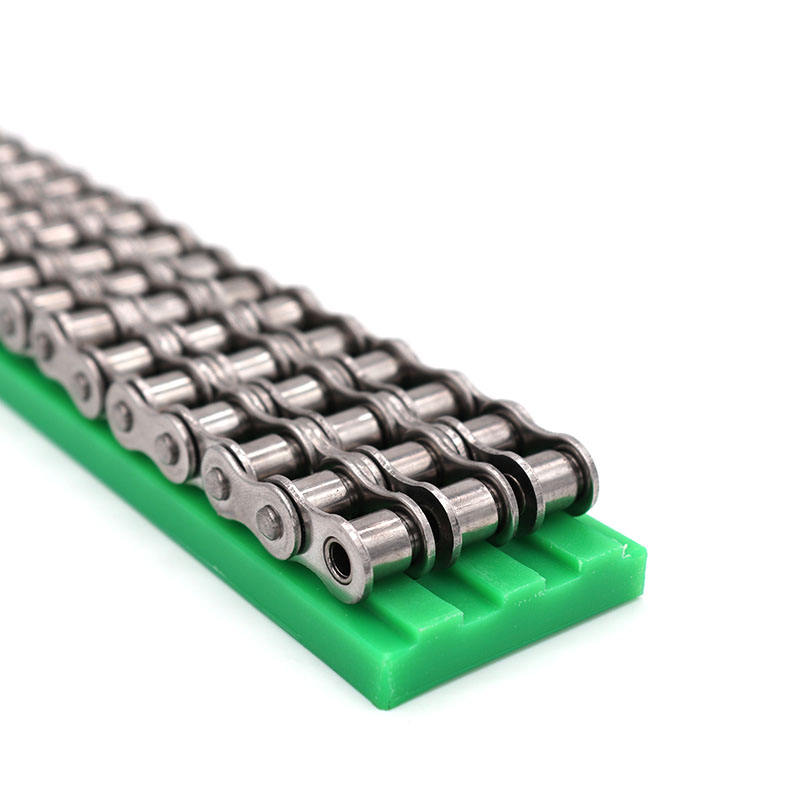
There is a diverse range of plastic wear strips available, each with its own unique set of properties that make it suitable for different applications. One of the most commonly used materials is ultra – high – molecular – weight polyethylene (UHMWPE). UHMWPE wear strips are known for their exceptional abrasion resistance. Their long – chain molecular structure gives them a high level of toughness, allowing them to withstand repeated friction without wearing down quickly. They also have a very low coefficient of friction, which makes them ideal for reducing the force required to move conveyor belts.
Polyurethane is another popular material for plastic wear strips. Polyurethane wear strips offer a good balance of flexibility and durability. They are more elastic than UHMWPE, which means they can better conform to irregular surfaces. This makes them suitable for use in conveyor systems where the belt may experience uneven stress or where the items being transported have an unusual shape. For example, in a packaging plant that handles oddly shaped boxes, polyurethane wear strips can adapt to the contours of the boxes and the conveyor components, providing effective friction reduction.
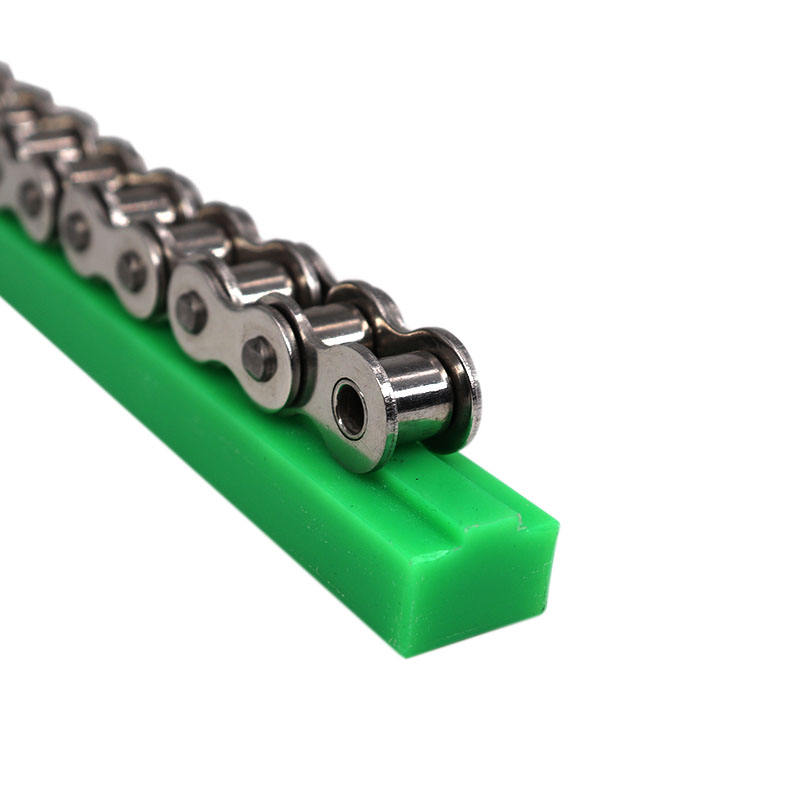
In terms of design, plastic wear strips come in various shapes and sizes. Some are flat strips that are used to line the edges of conveyor frames. These flat wear strips are easy to install and provide a basic level of protection against friction. Others are designed with grooves or channels. Grooved wear strips can be used to guide the conveyor belt more precisely, ensuring that it stays in the correct position. They can also help to distribute the load more evenly across the wear strip, reducing the risk of premature wear. Wear strips may be available in different thicknesses, allowing users to choose the most appropriate option based on the severity of the friction and the expected lifespan of the strip.
Matching Wear Strips to Specific Conveyor Needs
Selecting the right plastic wear strip for a conveyor system is crucial for optimal performance. The first factor to consider is the type of conveyor belt. For example, if it is a heavy – duty conveyor belt used in a mining or construction industry, a wear strip made of a highly durable material like UHMWPE would be a good choice. These industries often deal with large, heavy, and abrasive materials, so the wear strip needs to be able to withstand significant stress.
The nature of the items being transported also plays a vital role. In a food processing plant, where hygiene is of utmost importance, wear strips made of food – grade plastics are essential. These plastics are non – toxic and meet strict health and safety standards. They prevent any contamination of the food products being conveyed. If the conveyor is used to transport sharp – edged items, such as metal parts in a manufacturing plant, a wear strip with high cut – resistance, like some types of polyurethane, should be selected.
The working environment of the conveyor is another key consideration. In a high – temperature environment, such as a foundry or a bakery, the wear strip needs to be able to maintain its properties at elevated temperatures. Special heat – resistant plastics can be used in these situations. Conversely, in a cold – storage facility, the wear strip should not become brittle at low temperatures. Some plastics are formulated to remain flexible and effective in cold conditions, ensuring that the conveyor system can operate smoothly all year round.
Real – World Examples of Plastic Wear Strip Success
Case Studies from Various Industries
The real – world applications of plastic wear strips span across multiple industries, each with its own set of challenges and solutions. In the manufacturing industry, a large – scale electronics manufacturer was facing frequent conveyor belt replacements. The belts were used to transport delicate electronic components, and the friction from the conveyor frames was causing the belts to fray within a few months. After installing UHMWPE plastic wear strips, the situation improved significantly. The smooth surface of the wear strips reduced the friction, and the belts lasted for over a year before needing any major maintenance. This not only saved the company the cost of frequent belt replacements but also reduced production downtime, leading to increased productivity.
In the logistics sector, a major distribution center had conveyor systems handling a high volume of packages daily. The belts were constantly in contact with metal guides, which caused wear and tear. By installing polyurethane plastic wear strips, the center was able to reduce the noise generated by the conveyor system, in addition to minimizing belt wear. The flexible nature of polyurethane allowed it to conform to the irregularities of the packages, providing consistent friction reduction. As a result, the energy consumption of the conveyor motors decreased by 15%, and the center could handle 20% more packages per day due to the smoother operation of the belts.
The food processing industry also benefits greatly from plastic wear strips. A large – scale bakery was using conveyor belts to transport baked goods. Hygiene was a top priority, and any contamination from the conveyor components could spoil the products. By using food – grade plastic wear strips, the bakery ensured that there was no risk of contamination. The wear strips also reduced the friction on the belts, which was crucial as the baked goods were soft and easily damaged. The lifespan of the conveyor belts increased by 75%, and the bakery saw a reduction in product waste due to fewer belt – related disruptions.
Before – and – After Comparisons
These real – world examples become even more compelling when we look at the before – and – after comparisons. In the case of the electronics manufacturer, before installing plastic wear strips, the conveyor belts had visible signs of fraying after just two months of use. The edges of the belts were starting to come apart, and there were small tears in the surface. The efficiency of the conveyor system was also affected, with frequent jams and slowdowns. After installing the wear strips, the belts showed no signs of wear even after six months. The conveyor system ran smoothly, with a 30% increase in throughput as the components were transported more quickly and without any disruptions.
The logistics distribution center experienced a similar transformation. Before the installation of polyurethane wear strips, the conveyor belts were noisy, and the motors had to work at a high capacity to keep the belts moving. The belts needed to be replaced every three months on average. After the installation, the noise level decreased by 50%, and the motors’ energy consumption dropped significantly. The belts were still in good condition after six months, and the center’s daily package – handling capacity increased, as mentioned, by 20%.
For the bakery, before using food – grade plastic wear strips, the conveyor belts were a source of concern for food safety. There were instances where small particles from the belts contaminated the baked goods, leading to product recalls. The belts also wore out quickly due to the heat and humidity in the bakery environment. After the installation, the risk of contamination was eliminated, and the belts could withstand the harsh conditions for much longer. The bakery’s product quality improved, and the cost of product waste decreased by 40%, making the investment in plastic wear strips highly rewarding.
Maintenance and Care for Plastic Wear Strips
Tips for Ensuring Long – Term Performance
Regular inspection is the cornerstone of maintaining plastic wear strips. Conduct visual inspections at least once a week, looking for signs of wear, such as scratches, dents, or thinning areas. Use a flashlight to closely examine the surface of the wear strip, especially in hard – to – reach areas. Check the attachment points to ensure that the wear strips are still securely fastened. If any screws or adhesives seem loose, tighten or re – apply them promptly.
Cleaning the plastic wear strips is also crucial. Dirt, dust, and debris can accumulate on the surface, increasing friction and reducing the effectiveness of the wear strips. Use a soft, damp cloth to wipe down the wear strips regularly. For stubborn stains, a mild detergent can be used, but make sure to rinse thoroughly to prevent any residue from remaining. In industries where there is a lot of dust or fine particles, such as mining or construction, more frequent cleaning may be necessary.
Over time, plastic wear strips will naturally experience some wear. When the wear reaches a certain level, it’s important to replace the strips. A general rule of thumb is to replace the wear strips when they have worn down by more than 50% of their original thickness. Some conveyor systems may also have specific guidelines based on the manufacturer’s recommendations. Keeping spare plastic wear strips on hand can minimize downtime during replacement.
Troubleshooting Common Issues
One common issue with plastic wear strips is loosening. If a wear strip becomes loose, it can cause uneven friction and potentially damage the conveyor belt. To fix this, first, identify the cause of the looseness. If it’s due to screws coming loose, use a screwdriver to tighten them. If the adhesive has failed, carefully remove the old adhesive residue using a solvent recommended for the plastic material. Then, apply a new, high – quality adhesive according to the manufacturer’s instructions. Make sure to press the wear strip firmly in place and allow sufficient drying time before restarting the conveyor system.
Wear strips may also experience uneven wear. This can occur if the conveyor belt is misaligned, if there are excessive loads on one side of the belt, or if the pulleys are not properly maintained. To address uneven wear, start by checking the alignment of the conveyor belt. Adjust the belt tension and realign it so that it runs straight. Inspect the pulleys for any signs of damage or misalignment and repair or replace them if necessary. If the problem persists, consider redistributing the load on the conveyor belt to ensure more even stress on the wear strips. In some cases, using a different type of plastic wear strip or a more robust attachment method may be required to prevent future uneven wear.
The Indispensable Plastic Wear Strip
In the world of industrial operations, conveyor belts are the unsung heroes that keep the wheels of production turning. However, the constant battle against friction and fraying can quickly turn these reliable workhorses into liabilities. This is where plastic wear strips emerge as the essential solution.
Throughout this exploration, we’ve seen how friction is the arch – enemy of conveyor belts, leading to reduced efficiency, higher energy costs, and premature belt failure. But plastic wear strips, with their low – friction materials and smart designs, have the power to turn the tables. They act as a shield, protecting conveyor belts from the harsh forces of friction and significantly extending their lifespan.
The benefits of using plastic wear strips are far – reaching. From the cost – savings achieved through reduced conveyor belt replacements and energy consumption to the boost in operational efficiency and the environmental advantages of less waste, these unassuming strips have a huge impact. The real – world case studies we’ve examined prove that industries across the board, from manufacturing to logistics and food processing, have reaped substantial rewards by incorporating plastic wear strips into their conveyor systems.
Moreover, with proper installation, maintenance, and the right choice of wear strip type for specific conveyor needs, the effectiveness of these strips can be maximized. Regular inspection, cleaning, and timely replacement ensure that plastic wear strips continue to do their job effectively.
As industries continue to seek ways to optimize their operations, reduce costs, and increase productivity, plastic wear strips should not be overlooked. They offer a simple yet highly effective solution to a common and costly problem. So, if your business relies on conveyor belts, it’s time to consider the magic of plastic wear strips. Make the smart choice, invest in plastic wear strips, and watch your conveyor systems run smoother, longer, and more efficiently than ever before.