- September 28, 2025
- Posted by: feinuojixie
- Category: Chain Guides News
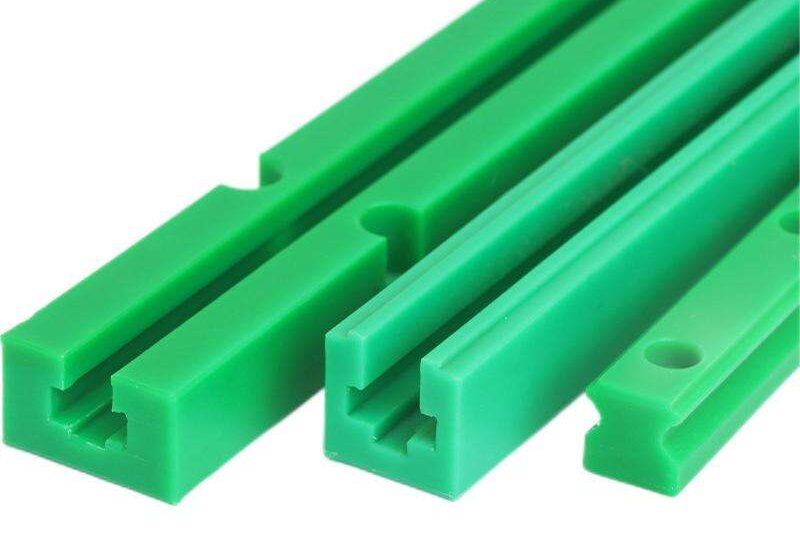
In the world of industrial applications and machinery, choosing the right guide rail material is no easy feat. It’s a decision that can significantly impact the performance, durability, and overall cost – effectiveness of your equipment. When you’re on a budget, the stakes are even higher. You need a material that not only fits within your financial constraints but also delivers long – term value in terms of functionality, maintenance, and replacement intervals. This is where the comparison between UHMW guide rails and other materials comes into play. UHMW, or Ultra – High – Molecular – Weight Polyethylene, has been making waves in the industry, but how does it stack up against traditional and alternative materials? Let’s dive in and find out.
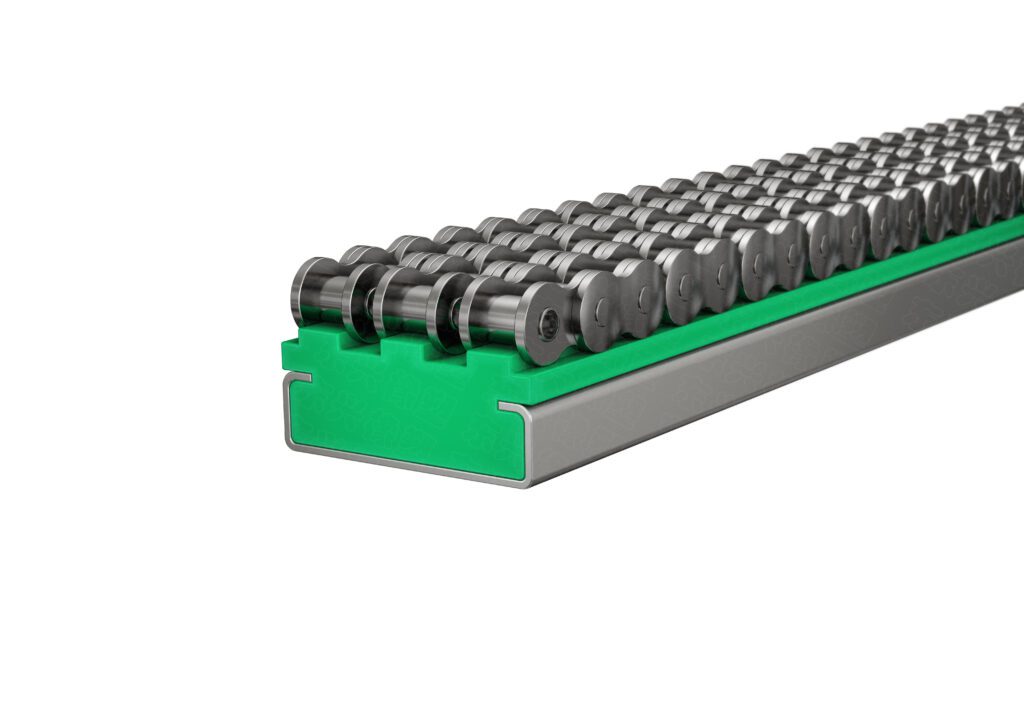
What are UHMW Guide Rails?
Before we compare UHMW guide rails with other materials, it’s crucial to understand what they are. UHMW guide rails are made from Ultra – High – Molecular – Weight Polyethylene. As the name implies, UHMWPE has an extremely high molecular weight, typically in the range of 3.5 to 7.5 million, compared to the relatively lower molecular weights of standard polyethylene materials.
This high molecular weight gives UHMW a unique molecular structure. The long – chain molecules are highly entangled, which contributes to its remarkable properties. UHMW guide rails are known for their outstanding wear resistance, which means they can withstand repeated friction and contact over long periods without significant degradation. They also offer excellent self – lubricating properties, reducing the need for additional lubricants and minimizing friction between moving parts.
Moreover, UHMW guide rails have a high impact strength, allowing them to resist sudden forces and shocks without cracking or breaking. They are chemically inert, making them suitable for use in environments where exposure to chemicals is a concern. Additionally, UHMW is lightweight, which can be an advantage in applications where weight reduction is important, such as in some automated machinery or portable equipment.
The Cost Aspect: UHMW Guide Rails vs. Others
Initial Purchase Price
When it comes to the initial purchase price, UHMW guide rails often fall in a middle – of – the – road position. Compared to common metals like steel or aluminum, UHMW guide rails are generally less expensive. Steel guide rails, for example, can be costly due to the raw material costs, complex manufacturing processes, and the need for surface treatments to enhance their performance. Aluminum guide rails, while lighter than steel, also have a relatively high price tag, especially when high – grade alloys are used.
On the other hand, compared to some low – cost plastics, UHMW may seem a bit pricier. Standard plastics like PVC (Polyvinyl Chloride) or low – density polyethylene can be purchased at a lower upfront cost. However, these plastics often lack the high – performance characteristics that UHMW offers, which is an important factor to consider beyond just the initial price.
Long – term Cost Considerations
Looking at the long – term, UHMW guide rails can offer significant cost advantages. One of the main reasons is their long service life. Thanks to their excellent wear resistance, UHMW guide rails can last much longer than many other materials. For instance, in a conveyor system that operates continuously, metal guide rails may start to show signs of wear and tear after a few years, leading to the need for replacement. In contrast, UHMW guide rails in the same system could potentially last five to ten times longer, reducing the frequency of replacement and the associated costs of downtime, new part procurement, and installation.
Maintenance is another crucial aspect. UHMW guide rails require minimal maintenance. Their self – lubricating properties mean that there is no need for regular application of lubricants, which saves on the cost of lubricant purchase and the labor required for lubrication. Metal guide rails, on the other hand, often need regular lubrication to prevent corrosion and excessive wear. Additionally, metal guide rails may be prone to rusting in certain environments, and the cost of rust prevention and repair can add up over time. In terms of overall long – term cost, the combination of a long service life and low maintenance requirements can make UHMW guide rails a more cost – effective choice, even if their initial purchase price is not the lowest.
Performance Comparison
Wear Resistance
When it comes to wear resistance, UHMW guide rails truly shine. In a manufacturing plant where conveyor belts are constantly in motion, the guide rails are subject to continuous friction. Metal guide rails, although strong, can start to show signs of wear relatively quickly. The friction between the moving parts and the metal guide rails can cause grooves to form, reducing the smoothness of the movement and eventually leading to equipment malfunction.
In contrast, UHMW guide rails have an extremely high wear resistance. Their long – chain molecular structure allows them to withstand the repeated friction without significant degradation. In the same manufacturing plant scenario, UHMW guide rails can operate smoothly for years without developing noticeable wear marks. This high wear resistance is a huge advantage for your budget. Since they don’t need to be replaced as often as other materials, you save on the cost of purchasing new guide rails, as well as the labor costs associated with replacement and the potential loss of production during downtime.
Friction and Energy Consumption
UHMW guide rails have a low friction coefficient, which is another significant advantage. In machinery where parts are constantly moving along the guide rails, such as in automated robotic arms, the friction between the moving parts and the guide rails can consume a considerable amount of energy. High – friction materials like some types of metals require more energy to move the parts smoothly.
For example, in a factory with multiple robotic arms operating on guide rails, if metal guide rails are used, more electricity is needed to power the motors that move the arms due to the higher friction. On the other hand, UHMW guide rails, with their self – lubricating properties and low friction coefficient, reduce the energy required for the movement of the parts. This not only saves on energy costs in the long run but also reduces the load on the motors and other components, potentially extending their lifespan and reducing maintenance and replacement costs.
Chemical Resistance
In certain industrial environments, exposure to chemicals is inevitable. Chemical resistance is a crucial factor when choosing guide rail materials. UHMW guide rails are highly chemically inert. For instance, in a chemical processing plant where there are frequent exposures to acids, alkalis, and other corrosive substances, metal guide rails are highly susceptible to corrosion. Corrosion not only weakens the structure of the metal guide rails but also can contaminate the products being processed.
Materials like PVC may offer some level of chemical resistance but are often not as durable as UHMW in harsh chemical environments. UHMW guide rails can withstand exposure to a wide range of chemicals without degrading, cracking, or losing their mechanical properties. This makes them a reliable choice in industries where chemical exposure is a concern. By choosing UHMW guide rails in such environments, you can avoid the costly consequences of guide rail failure due to chemical damage, such as equipment breakdowns, production delays, and the need for frequent replacements.
Installation and Compatibility
Ease of Installation
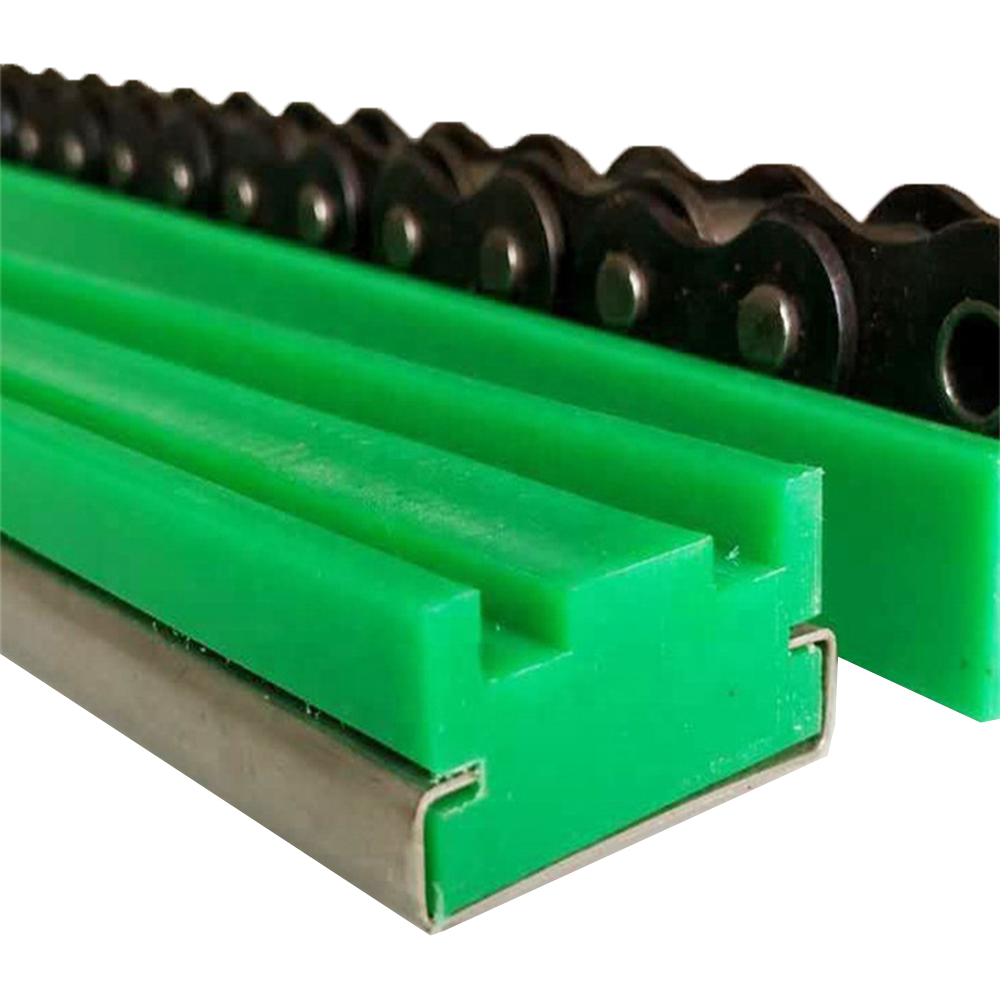
The installation process of guide rails is another factor that can impact the overall cost. UHMW guide rails are relatively easy to install compared to many other materials. Their lightweight nature makes them easier to handle during installation. For example, in a small – scale manufacturing setup where the equipment needs to be assembled on – site, installing UHMW guide rails can be a much quicker process. Workers can lift and position UHMW guide rails without the need for heavy – duty lifting equipment, reducing the labor time and potentially the cost of installation.
In contrast, metal guide rails, especially those made of steel, are heavy. Installing steel guide rails often requires the use of cranes or other lifting machinery, which not only adds to the cost of the installation process but also requires trained operators to handle the equipment. Additionally, metal guide rails may need to be welded or bolted in place, a process that can be time – consuming and may require additional tools and expertise. If the installation process is complex and time – consuming, it can lead to higher labor costs and longer periods of equipment downtime, which can be costly for businesses.
Compatibility with Other Components
Compatibility with other components in the equipment is crucial for the smooth operation of the entire system. UHMW guide rails generally have good compatibility with a wide range of materials and components. They can work well with various types of rollers, sliders, and other moving parts. For instance, in a packaging machine, UHMW guide rails can be easily integrated with the plastic or metal rollers that move the packaging materials. This compatibility ensures that the different components work together harmoniously, reducing the risk of mechanical failures due to component mismatch.
In some cases, other materials may have compatibility issues. For example, certain types of plastics may not bond well with metal components, which can lead to problems such as loosening or separation over time. In a conveyor system, if the guide rails and the conveyor belt components are not compatible, it can cause uneven movement, increased wear and tear, and even system breakdowns. When components are not compatible, it may be necessary to modify or replace parts, which adds to the cost. With UHMW guide rails, their high compatibility reduces the need for such costly adjustments, making them a more cost – effective choice in terms of overall system integration and long – term operation.
Case Studies: Real – World Evidence
Real – world case studies can provide valuable insights into the value that UHMW guide rails bring compared to other materials.
Case Study 1: Automotive Manufacturing
In an automotive manufacturing plant, the conveyor systems used to move car parts during the assembly process were initially equipped with steel guide rails. Over time, the plant managers noticed significant wear on the steel guide rails due to the constant movement of heavy parts. This led to frequent maintenance and replacement, causing production downtime. Each replacement of the steel guide rails cost the company approximately $50,000 in parts and labor, and there were about 3 – 4 replacements per year.
Case Study 2: Food Processing
A food processing facility was using PVC guide rails in their packaging lines. The PVC guide rails were chosen for their relatively low cost. However, they had several drawbacks. In the food processing environment, which is often humid and may have exposure to cleaning chemicals, the PVC guide rails started to degrade within a year. They became brittle and cracked, leading to product contamination risks as small pieces of PVC could break off and mix with the food products.
Case Study 3: Semiconductor Manufacturing
Making the Right Decision for Your Budget
When it comes to making a decision between UHMW guide rails and other materials for your application, it’s essential to consider your budget and specific requirements carefully.