
- September 28, 2025
- Posted by: feinuojixie
- Category: Chain Guides News

In the world of industrial operations, the lifespan of equipment is a critical factor that directly impacts both the cost – effectiveness and the seamless running of businesses. Every piece of machinery, from large – scale manufacturing equipment to smaller precision – based tools, comes with a finite lifespan. The wear and tear that these components endure during operation can lead to frequent breakdowns, increased maintenance costs, and ultimately, reduced productivity.
This is where UHMW guide rails step in as a game – changer. Ultra – High – Molecular – Weight (UHMW) guide rails have emerged as an innovative solution to significantly extend the lifespan of various equipment. By understanding the unique properties of UHMW and how they interact with equipment, businesses can unlock a new level of efficiency and cost – savings. In this blog post, we will explore in – depth how UHMW guide rails can maximize equipment lifespan, their key features, and the industries that stand to benefit the most from their implementation.
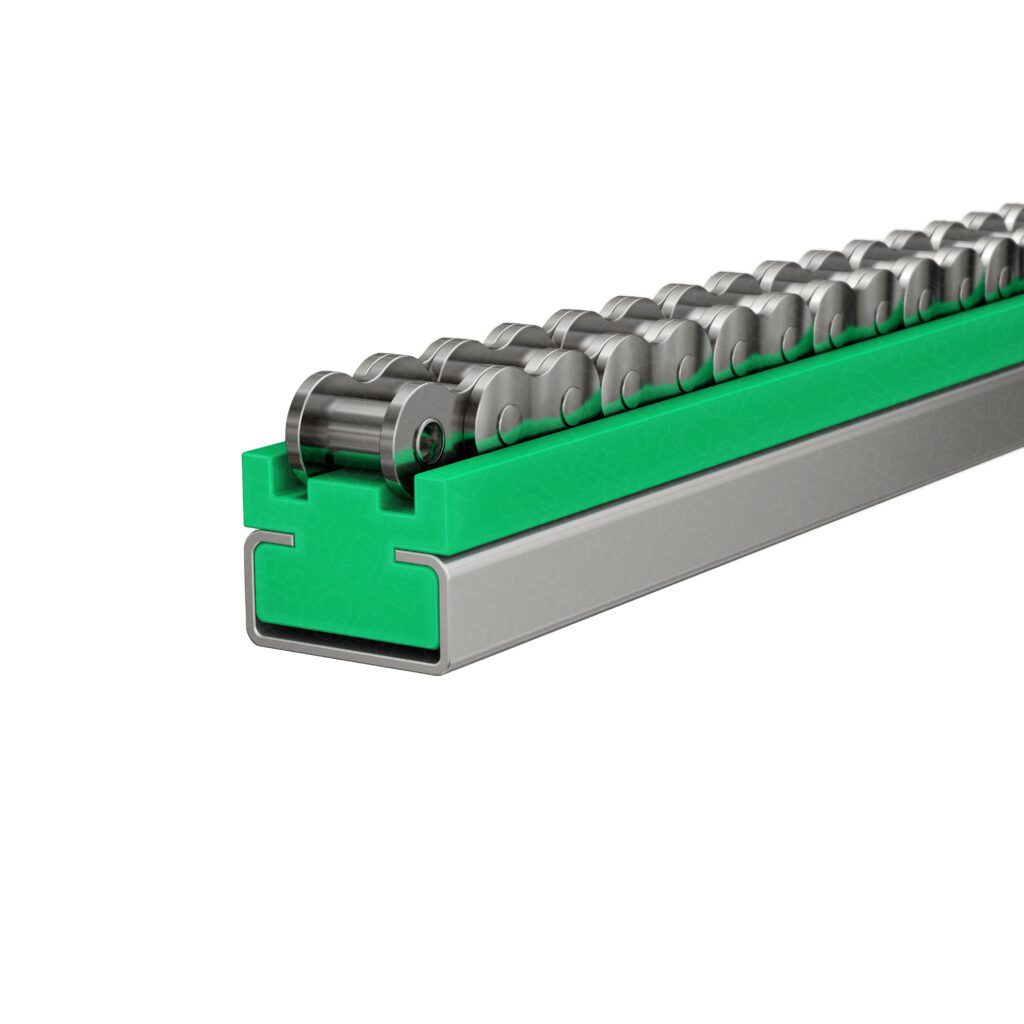
What Are UHMW Guide Rails?
1. Material Composition
UHMW guide rails are made from Ultra – High – Molecular – Weight (UHMW) polyethylene. Chemically, UHMW polyethylene is a type of thermoplastic polymer with a linear structure. Its long – chain molecules are composed of repeating ethylene units, represented by the chemical formula (C₂H₄)ₙ, where ‘n’ represents a very large number, typically with molecular weights ranging from 1 to 6 million. This extremely high molecular weight is what sets UHMW apart from other types of polyethylene.
The long – chain structure gives UHMW its unique physical and mechanical properties. The linear arrangement of the molecules allows them to pack closely together, contributing to the material’s high density and excellent strength characteristics. Unlike some other polymers with branched or cross – linked structures, the linear nature of UHMW polyethylene chains enables a high degree of crystallinity in the material, which is a key factor in its performance as a guide rail material.
2. Key Properties
- High Wear Resistance: One of the most prominent features of UHMW guide rails is their exceptional wear resistance. The high – molecular – weight chains and the resulting high crystallinity make the material extremely tough and resistant to abrasion. When used in equipment where components are in constant motion and rubbing against each other, UHMW guide rails can withstand the frictional forces for a much longer time compared to traditional materials like metal or standard plastics. For example, in conveyor systems where items are constantly sliding or rolling over the guide rails, UHMW guide rails can significantly reduce the wear and replacement frequency of the guiding components.
- Self – Lubricating Property: UHMW has inherent self – lubricating properties. The smooth surface of UHMW guide rails, due to the molecular structure, reduces the coefficient of friction between the moving parts and the guide rail. This means that there is less need for external lubricants, which not only simplifies the maintenance process but also reduces the risk of lubricant – related issues such as contamination and leakage. In food processing or pharmaceutical industries, where cleanliness is crucial, the self – lubricating nature of UHMW guide rails is highly advantageous as it eliminates the need for potentially contaminating lubricants.
- Corrosion Resistance: UHMW is highly resistant to a wide range of chemicals, including acids, alkalis, and salts. This makes UHMW guide rails suitable for use in harsh environments where traditional metal guide rails would quickly corrode. In chemical processing plants, for instance, where equipment is exposed to various corrosive substances, UHMW guide rails can maintain their structural integrity and performance over an extended period, reducing the cost of frequent replacements due to corrosion damage.
- Low Moisture Absorption: UHMW has a very low affinity for water, which means it does not absorb moisture easily. This property is beneficial in applications where humidity or water exposure is common. In outdoor equipment or in environments with high humidity levels, UHMW guide rails will not swell, warp, or degrade due to moisture absorption, ensuring consistent performance and a longer lifespan.
- Impact Resistance: UHMW guide rails can absorb a significant amount of impact energy without breaking or deforming. This makes them suitable for use in applications where sudden impacts or vibrations are expected. In machinery that experiences shock loading during operation, such as some types of industrial presses or automated assembly equipment, UHMW guide rails can protect the other components from the damaging effects of impacts, thus extending the overall lifespan of the equipment.
The Impact of UHMW Guide Rails on Equipment Lifespan
1. Reducing Wear and Tear
In industrial equipment, wear and tear is an inevitable consequence of continuous operation. Friction between moving parts is the primary culprit behind this wear. Traditional guide rails, such as those made of metal, often experience significant wear over time due to the high frictional forces involved. However, UHMW guide rails offer a far – superior solution.
The high wear – resistance property of UHMW comes into play here. When components slide along UHMW guide rails, the long – chain molecular structure of UHMW resists the abrasive forces much better than traditional materials. For example, in a printing press, the moving parts that transport paper rely on guide rails. With UHMW guide rails, the number of times the parts need to be replaced due to wear can be reduced by up to 50% compared to using metal guide rails. This not only extends the lifespan of the individual components but also that of the entire printing press, as the failure of one small part can often lead to the breakdown of the whole system.
2. Enhancing Operational Smoothness
Operational smoothness is crucial for the longevity of equipment. When equipment operates with excessive vibrations or shocks, it puts additional stress on all its components, which can lead to premature failure. UHMW guide rails, with their self – lubricating property, play a vital role in ensuring smooth operation.
The self – lubricating nature of UHMW means that there is a reduced coefficient of friction between the moving parts and the guide rails. This results in a much smoother movement of components. In a conveyor system used in a warehouse, for instance, the products being transported move more smoothly along the conveyor belt when UHMW guide rails are installed. The reduced vibration and impact not only prevent damage to the products being transported but also protect the conveyor system itself. Over time, this smooth operation significantly reduces the wear and tear on the motor, bearings, and other mechanical parts of the conveyor, thus extending the lifespan of the entire system.
3. Corrosion Resistance: A Shield Against the Elements
Many industrial environments expose equipment to harsh chemicals and environmental conditions that can cause corrosion. Corrosion can weaken the structural integrity of equipment, leading to leaks, malfunctions, and ultimately, equipment failure. UHMW guide rails act as a reliable shield against such corrosive elements.
In a chemical processing plant where equipment is regularly exposed to acids, alkalis, and other corrosive substances, metal guide rails would quickly succumb to corrosion. However, UHMW guide rails, being highly resistant to these chemicals, maintain their performance and structural integrity. This corrosion resistance not only extends the lifespan of the guide rails themselves but also protects the other components of the equipment that interact with them. For example, in a tank cleaning system that uses strong detergents and high – pressure water, UHMW guide rails can withstand the corrosive effects of the detergents and the constant moisture, ensuring the long – term functionality of the cleaning mechanism.

Maintenance Tips for UHMW Guide Rails
Proper maintenance is essential to ensure that UHMW guide rails continue to perform optimally and maximize the lifespan of the equipment they are installed in. Here are some key maintenance tips:
1. Regular Cleaning
Cleaning UHMW guide rails regularly is crucial to prevent the accumulation of dirt, dust, and other debris. Debris can get trapped between the moving parts and the guide rails, increasing friction and causing premature wear. For general cleaning, a soft, dry cloth can be used to wipe the surface of the guide rails. In cases where there is more stubborn dirt or grime, a mild detergent mixed with water can be used. However, it’s important to ensure that the guide rails are thoroughly dried after cleaning to prevent any moisture – related issues. Cleaning should be done at least once a week for equipment in normal operating conditions. In dusty or dirty environments, more frequent cleaning, perhaps every 1 – 3 days, may be necessary.
2. Inspection Protocols
Regular inspections are vital to identify any potential problems early on. Inspect the UHMW guide rails for signs of wear, such as scratches, grooves, or uneven surfaces. Check for any signs of deformation, as even a slight change in shape can affect the performance of the equipment. Also, examine the connection parts of the guide rails, such as bolts and screws, to ensure they are tight. Loose connections can lead to vibrations and misalignment, which can damage the guide rails and other components. Inspections should be carried out monthly for most equipment. For high – stress applications or equipment that operates continuously, weekly inspections may be more appropriate.
3. Lubrication (When Necessary)
Although UHMW guide rails have self – lubricating properties, in some cases, additional lubrication may be required. If the equipment is operating under extreme conditions, such as very high loads or speeds, or in an environment with extremely low humidity, lubrication can further reduce friction and wear. When choosing a lubricant, it’s important to select one that is compatible with UHMW polyethylene. Silicone – based lubricants are often a good choice as they are non – reactive with UHMW and provide excellent lubrication properties. However, in food – processing or pharmaceutical industries, food – grade lubricants must be used to ensure compliance with hygiene regulations. Lubrication intervals will depend on the operating conditions, but as a general rule, if lubrication is needed, it can be applied every few months or as indicated by the equipment’s performance.
Comparing UHMW Guide Rails with Other Options
1. Traditional Materials (e.g., Metal, Nylon)
When considering guide rail materials, traditional options like metal and nylon have long been in use. However, a comparison with UHMW guide rails reveals significant differences.
Metal Guide Rails: Metals such as steel are known for their high strength and rigidity. They can withstand heavy loads and are often used in applications where high – precision and high – load – bearing capabilities are required. For example, in some large – scale industrial machinery like heavy – duty presses, metal guide rails have been the go – to choice due to their ability to support the substantial forces involved.
However, metal guide rails have several drawbacks. Their lack of wear resistance is a major issue. In applications with continuous sliding motion, metal – on – metal contact leads to rapid wear, which means frequent replacements and maintenance. Additionally, metal guide rails require regular lubrication to reduce friction. Without proper lubrication, the coefficient of friction can be quite high, leading to increased energy consumption and potential damage to the equipment. They are also prone to corrosion in many environments, especially those with moisture or exposure to chemicals. This corrosion not only weakens the guide rails but can also contaminate the surrounding components.
Nylon Guide Rails: Nylon is a popular choice among traditional guide rail materials, especially in applications where a balance between cost and performance is needed. Nylon has some self – lubricating properties, which is an advantage over metals as it reduces the frequency of external lubrication requirements. It is also relatively lightweight compared to metals.
Nevertheless, nylon does not match up to UHMW in terms of wear resistance. Nylon guide rails are more likely to wear out over time, especially in high – stress applications. They also have a relatively low chemical resistance compared to UHMW. In environments where exposure to a variety of chemicals is common, nylon may degrade more quickly, affecting its performance and lifespan.
2. Cost – Benefit Analysis
When evaluating the cost – effectiveness of UHMW guide rails compared to other options, both short – term and long – term costs need to be considered.
Short – Term Costs: In the short – term, the initial purchase price of UHMW guide rails may seem higher than some traditional materials like basic metals or standard nylon. For example, if a small – scale manufacturing unit is looking to replace its guide rails on a budget, the upfront cost of UHMW guide rails might be a deterrent. However, this cost comparison is often simplistic.
Long – Term Costs: Over the long – term, UHMW guide rails offer significant cost savings. Their high wear – resistance means they do not need to be replaced as frequently as metal or nylon guide rails. In an automotive assembly line that operates 24/7, the cost of replacing metal guide rails every few months can add up quickly in terms of both the cost of the replacement parts and the downtime during replacement. With UHMW guide rails, the replacement interval could be extended to several years, resulting in substantial savings.
The self – lubricating property of UHMW also reduces the cost of lubricants and the labor associated with lubrication. In industries where equipment is spread out over a large area, the cost of regularly supplying and applying lubricants to metal guide rails can be a significant expense. UHMW guide rails eliminate or greatly reduce this cost. Additionally, the corrosion resistance of UHMW means there are no costs associated with corrosion prevention and repair, which is a common expense for metal guide rails in corrosive environments. Overall, while the initial investment in UHMW guide rails may be higher, the long – term cost – benefit analysis clearly shows their superiority in terms of cost – effectiveness.
Future Trends and Innovations in UHMW Guide Rails
1. Material Improvements
As technology continues to advance, researchers are constantly exploring ways to enhance the properties of UHMW materials. One area of focus is on achieving even higher strength levels. By modifying the molecular structure or incorporating advanced additives, future UHMW guide rails may be able to withstand significantly higher loads without deformation. This would make them suitable for use in even more demanding industrial applications, such as heavy – duty mining equipment or high – precision aerospace machinery.
Another aspect of material improvement is in the realm of temperature resistance. Currently, UHMW has a relatively limited temperature range in which it can maintain its optimal properties. However, future developments may lead to the creation of UHMW – based materials with improved heat resistance. This could open up new possibilities for their use in industries where high – temperature environments are common, such as in the metal – casting or glass – manufacturing industries. For example, UHMW guide rails with enhanced heat resistance could be used in the automated handling systems within a glass factory, where the components are exposed to high – temperature glass products during the production process.
2. Design Innovations
In the future, we can expect to see innovative designs in UHMW guide rails to better meet the complex needs of modern equipment. One possible design innovation is the development of modular guide rail systems. These modular systems would allow for easy customization and replacement of individual components. For instance, in a large – scale manufacturing plant with multiple production lines, a modular UHMW guide rail system would enable quick and cost – effective repairs. If a section of the guide rail is damaged, only the specific module needs to be replaced, rather than the entire guide rail, reducing downtime and maintenance costs.
Another design trend could be the integration of sensors within UHMW guide rails. These sensors could monitor various parameters such as temperature, wear, and vibration in real – time. The data collected by the sensors could be used to predict potential failures and schedule maintenance proactively. In a high – speed automated assembly line, for example, sensor – equipped UHMW guide rails could detect early signs of wear and send alerts to the maintenance team, allowing them to take preventive measures before a breakdown occurs, thereby maximizing the lifespan of the equipment and ensuring uninterrupted production.

The Long – Term Value of UHMW Guide Rails
In conclusion, UHMW guide rails offer a multi – faceted solution to maximize equipment lifespan. Their unique properties, including high wear resistance, self – lubricating capabilities, corrosion resistance, low moisture absorption, and impact resistance, make them an ideal choice for a wide range of industries. By reducing wear and tear, enhancing operational smoothness, and protecting against corrosion, UHMW guide rails can significantly extend the life of equipment, leading to increased productivity and reduced maintenance costs.
The real – world case studies in the automotive manufacturing and food and beverage industries have demonstrated the tangible benefits of implementing UHMW guide rails. These success stories serve as a testament to the reliability and effectiveness of UHMW guide rails in improving equipment performance and reducing overall costs.
When compared to traditional materials like metal and nylon, UHMW guide rails prove to be more cost – effective in the long run, despite their potentially higher initial cost. As technology continues to progress, the future of UHMW guide rails looks promising, with expected material improvements and design innovations that will further enhance their performance and versatility.
For businesses looking to optimize their equipment’s performance, reduce downtime, and cut long – term costs, UHMW guide rails should be a top consideration. By making the switch to UHMW guide rails, companies can not only improve the lifespan of their equipment but also gain a competitive edge in their respective industries.