
- September 30, 2025
- Posted by: feinuojixie
- Category: Chain Guides News

Guide wear strip, a crucial component in machinery, might seem unassuming at first glance, but its importance cannot be overstated. Acting as a protective buffer, it plays a pivotal role in reducing friction between moving parts. In a manufacturing conveyor system, for instance, guide wear strips prevent direct contact between the conveyor belts and the guiding structures. This not only minimizes the wear and tear on these vital components but also ensures smooth operation, thereby enhancing the overall efficiency of the machinery. Without properly functioning guide wear strips, machinery would be prone to frequent breakdowns, increased maintenance costs, and reduced productivity. In essence, understanding the basics of guide wear strips is the first step towards optimizing machinery performance, making it essential for anyone involved in the operation, maintenance, or design of mechanical systems.

Types of Guide Wear Strips
- Metal Guide Wear Strips: These are often made from materials like steel or aluminum. Metal guide wear strips are known for their high strength and durability. They can withstand heavy loads and harsh operating conditions. In industrial machinery such as large – scale presses, metal guide wear strips are used due to their ability to handle significant pressure. However, they may have higher friction coefficients compared to some other materials, which could potentially lead to more energy consumption if not properly lubricated.
- Plastic Guide Wear Strips: Plastics like UHMW – PE (Ultra – High – Molecular – Weight Polyethylene) and PTFE (Polytetrafluoroethylene) are commonly used. UHMW – PE guide wear strips offer excellent wear resistance, low friction, and are lightweight. They are often used in applications where noise reduction is important, such as in conveyor systems in food processing plants, as they are non – abrasive and won’t contaminate the products. PTFE, on the other hand, is famous for its extremely low coefficient of friction, making it ideal for applications where smooth movement is crucial, like in precision – engineering equipment. But plastic guide wear strips may not be as suitable for high – temperature or high – load applications as metal ones.
- Composite Guide Wear Strips: These are made by combining different materials to take advantage of their individual properties. For example, a composite might consist of a metal base for strength and a plastic coating for low friction and wear resistance. Composite guide wear strips can be tailored to specific machinery needs, offering a balance between the benefits of different materials. They are often used in aerospace or automotive manufacturing equipment, where a combination of high – performance characteristics is required.
Factors to Consider When Matching
Machinery Type
Different types of machinery have distinct requirements for guide wear strips. Industrial machinery, which often operates in high – stress environments, demands guide wear strips with high – strength materials. For example, in a metal – stamping factory, the large – scale stamping machines experience substantial pressure and friction during operation. Metal guide wear strips, such as those made of hardened steel, are suitable here as they can withstand the heavy loads and continuous impacts.
On the other hand, agricultural machinery has its own set of needs. Tractors and combine harvesters are often used in outdoor and dusty environments. Guide wear strips for agricultural machinery should be resistant to abrasion from dust and debris. UHMW – PE plastic guide wear strips can be a good choice as they are not only wear – resistant but also lightweight, which helps in reducing the overall weight of the machinery and improving fuel efficiency. Additionally, they are less likely to corrode when exposed to moisture in the fields.
Operating Conditions
Operating conditions play a crucial role in determining the right guide wear strip. Temperature is a significant factor. In high – temperature environments, such as in steel – making furnaces or some industrial drying ovens, plastic guide wear strips may not be suitable as they can soften or even melt at elevated temperatures. Metal or ceramic – based guide wear strips are more appropriate in these cases. Ceramic guide wear strips, for instance, can maintain their structural integrity and wear – resistance properties at extremely high temperatures.
Humidity also affects the choice of guide wear strips. In humid environments like food processing plants where there is a lot of moisture in the air, metal guide wear strips may be prone to rust. Plastic or composite guide wear strips with moisture – resistant properties are preferred. For example, composite guide wear strips with a plastic outer layer can prevent water from coming into contact with the underlying metal components, thus ensuring long – term performance.
High – pressure environments, such as hydraulic presses, require guide wear strips that can withstand significant compressive forces. Guide wear strips with a dense structure and high – strength materials are essential to prevent deformation and ensure smooth operation under pressure.
Load and Movement Requirements
The load that the machinery bears and its movement requirements have a direct impact on the guide wear strip’s material and structure. For machinery with heavy loads, such as large – scale cranes, the guide wear strips need to be made of materials with high load – bearing capacity. Metal guide wear strips with a thick cross – section or reinforced composite materials are often used. These materials can distribute the load evenly and prevent excessive wear and tear.
If the machinery has a high – frequency movement, such as the reciprocating motion in some piston engines, the guide wear strips should have excellent fatigue resistance. Materials like PTFE – coated metal or high – performance plastics with low friction coefficients can reduce the energy loss during movement and extend the lifespan of the guide wear strips. In addition, the structure of the guide wear strip may need to be designed with features like grooves or lubrication channels to further reduce friction and ensure smooth movement under high – frequency operation.
Step – by – Step Matching Process
Assessment of Machinery
The first step in matching a guide wear strip to your machinery is a comprehensive assessment of the existing machinery. Begin by visually inspecting the areas where the guide wear strip is or will be installed. Look for signs of excessive wear, such as grooves, scratches, or uneven surfaces on the mating parts. Measure the dimensions of the guideways accurately, including their length, width, and depth. This data is crucial as it will determine the size and shape of the guide wear strip required.
Next, analyze the operating parameters of the machinery. This includes the speed at which the moving parts operate, the frequency of starts and stops, and the acceleration and deceleration rates. For example, in a high – speed printing press, the guide wear strips need to be able to handle rapid movements and frequent changes in direction. Monitoring the temperature and humidity levels in the machinery’s operating environment during normal operation is also essential, as these factors can impact the performance of the guide wear strip over time.
Research and Selection
Once you have a clear understanding of your machinery’s condition and requirements, it’s time to research the available guide wear strips on the market. Start by consulting the manufacturers’ catalogs and websites. These resources often provide detailed information about the materials used, the dimensions available, the load – bearing capacities, and the recommended applications for each type of guide wear strip.
Look for reviews and case studies from other users who have installed guide wear strips in similar machinery. Their experiences can offer valuable insights into the real – world performance of different products. For instance, if you’re looking for guide wear strips for a packaging machine, reading about how other packaging companies have fared with specific products can help you make an informed decision.
When comparing products, consider not only the upfront cost but also the long – term value. A cheaper guide wear strip may need to be replaced more frequently, resulting in higher overall costs due to downtime and replacement expenses. Calculate the cost – effectiveness of each option by factoring in the expected lifespan, maintenance requirements, and the impact on machinery efficiency.
Installation and Testing
Proper installation is key to ensuring the optimal performance of the guide wear strip. Before starting the installation, make sure the mating surfaces of the machinery are clean, free of debris, and properly lubricated if required. Follow the manufacturer’s installation instructions carefully. This may involve using specific adhesives, screws, or clips to secure the guide wear strip in place.
For some types of guide wear strips, precise alignment is crucial. Use measuring tools and alignment jigs to ensure that the strip is installed straight and parallel to the guideway. After installation, perform a visual inspection to check for any gaps, misalignments, or loose connections.
Once installed, conduct a series of tests on the machinery. Start with a low – speed, no – load test to check for any abnormal noises, vibrations, or binding. Gradually increase the speed and load of the machinery while monitoring its performance. Check the temperature of the guide wear strip and the mating parts during operation to ensure that they are within the normal range. If any issues are detected during the testing process, troubleshoot and make the necessary adjustments or replacements to ensure the smooth and reliable operation of the machinery with the newly installed guide wear strip.

Case Studies
Case 1: Automotive Assembly Line
In an automotive assembly plant, the conveyor belts used to move car parts around the factory were experiencing frequent breakdowns. The original guide wear strips, made of a low – quality plastic, were quickly worn out due to the heavy loads and high – speed movement of the conveyor. After conducting a thorough assessment of the machinery, it was determined that metal – based guide wear strips with a PTFE coating would be a better fit.
The new guide wear strips were installed, and the results were remarkable. The number of breakdowns decreased significantly, from an average of three per week to less than one per month. The maintenance cost was also reduced by approximately 40% as the new guide wear strips had a much longer lifespan. The smooth operation of the conveyor belts improved the overall efficiency of the assembly line, leading to an increase in production output by 15%.
Case 2: Food Packaging Machinery
A food packaging company was facing issues with product contamination and noisy operation in their packaging machinery. The existing guide wear strips were made of a standard plastic that was not food – grade and was also causing a lot of friction, resulting in noise. After careful consideration of the operating conditions, which included a clean and quiet environment requirement, UHMW – PE guide wear strips with food – grade certification were selected.
Once installed, the problem of product contamination was completely eliminated as the new guide wear strips were non – abrasive and did not shed any particles. The noise level during operation was reduced by half, creating a more pleasant working environment. Additionally, the low – friction property of UHMW – PE led to a reduction in energy consumption by about 10%, as the machinery required less power to operate the moving parts smoothly. This case shows how choosing the right guide wear strip can not only solve technical problems but also meet industry – specific requirements.
Maintenance and Long – Term Use
To ensure the long – term performance of guide wear strips, regular maintenance is essential. First, establish a routine inspection schedule. Check the guide wear strips at least once a month in normal – use machinery, and more frequently in high – stress or high – frequency – use equipment. During inspections, look for signs of wear, such as thinning, cracks, or surface roughness. If any issues are detected early, they can be addressed before they lead to major problems.
Proper lubrication is also crucial. For metal guide wear strips, use a high – quality lubricant that is suitable for the operating temperature and load conditions. In some cases, dry – film lubricants can be applied to plastic or composite guide wear strips to reduce friction further. However, make sure the lubricant is compatible with the material of the guide wear strip to avoid any chemical reactions that could damage it.
When it comes to long – term use, storing the machinery properly during periods of inactivity can also extend the lifespan of the guide wear strips. If the machinery will be idle for an extended time, clean the guide wear strips thoroughly, apply a protective coating if necessary, and cover the machinery to prevent dust and moisture from accumulating. By following these maintenance practices, you can maximize the lifespan of the guide wear strips, reduce the need for frequent replacements, and ensure the continued smooth operation of your machinery.
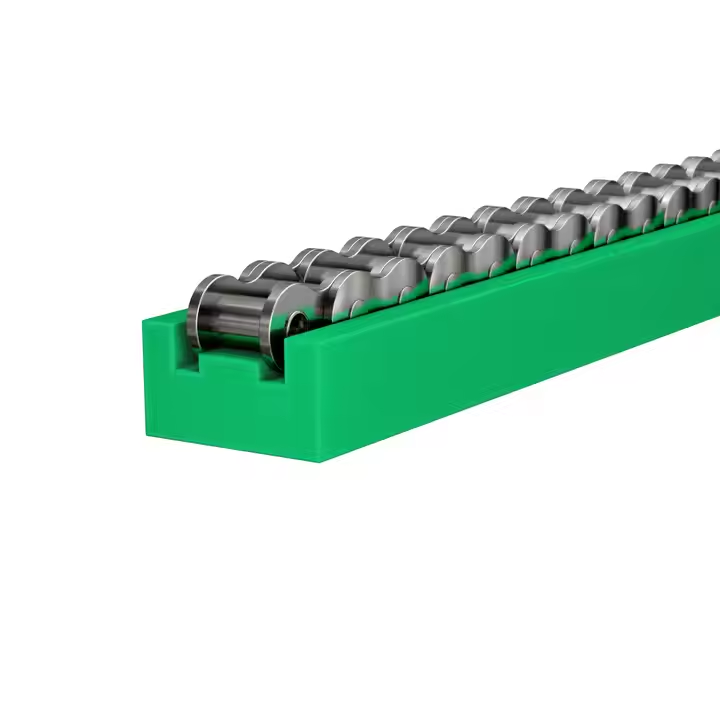
A Well – Matched Guide Wear Strip
In conclusion, matching a guide wear strip to your specific machinery needs is far from a trivial task; it is a crucial decision that can significantly impact the performance, efficiency, and longevity of your machinery. The right guide wear strip, carefully selected based on the machinery type, operating conditions, and load and movement requirements, can act as a silent hero, reducing friction, minimizing wear and tear, and ensuring smooth operation.
As demonstrated by the case studies, making the correct choice can lead to substantial improvements, such as reduced breakdowns, lower maintenance costs, and enhanced productivity. Regular maintenance of guide wear strips is also essential to uphold their performance over the long term.
So, whether you’re an engineer in charge of designing new machinery, a maintenance technician responsible for keeping equipment running, or a business owner looking to optimize operations, take the time to understand your machinery’s needs and choose the guide wear strip that is the perfect fit. The benefits in terms of machinery reliability, cost – savings, and overall performance will undoubtedly be well worth the effort.