
- October 9, 2025
- Posted by: feinuojixie
- Category: Chain Guides News
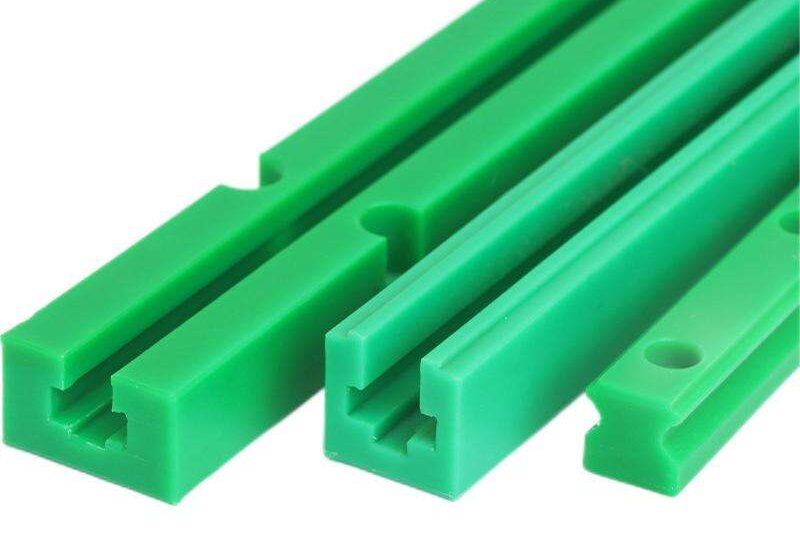
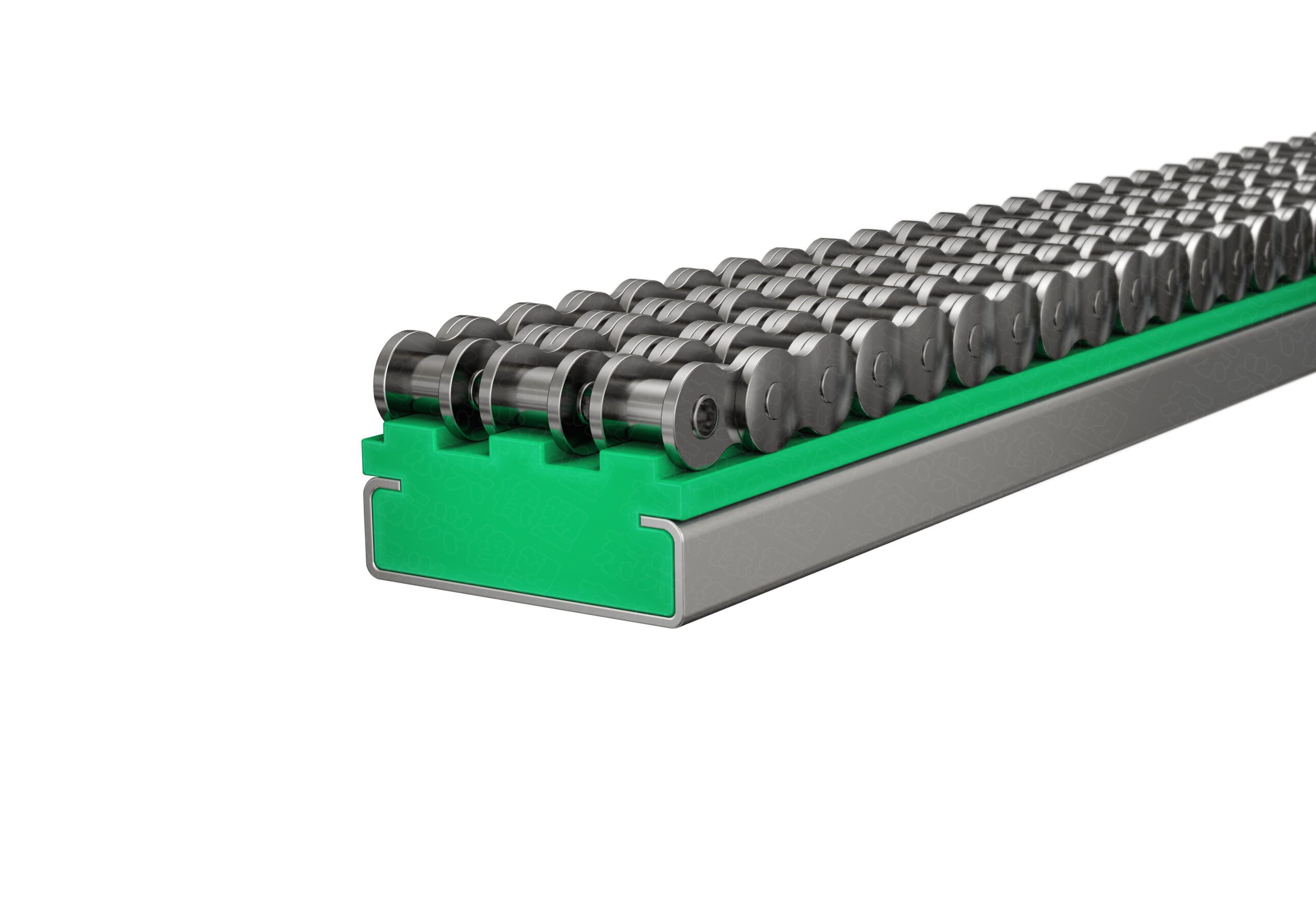
In various industrial and mechanical equipment, the guide wear strip plays a pivotal role. It acts as a protective and guiding element, reducing friction between moving parts. For example, in conveyor systems widely used in manufacturing plants, the guide wear strip ensures that products move smoothly along the conveyor belt. Without a properly functioning guide wear strip, there would be increased friction, leading to energy inefficiency, higher wear and tear of other components, and potential disruptions in the production process. In machinery like CNC (Computer Numerical Control) machines, the guide wear strip contributes to the precision of movement. Precise movement is crucial for creating high – quality products, whether it’s manufacturing intricate parts for aerospace or delicate components for electronics. Thus, the guide wear strip is essential for the smooth operation, efficiency, and product quality of related equipment.
Purpose of the Article
The aim of this article is to provide you with practical and effective maintenance hacks that can significantly extend the lifespan of your guide wear strip. By following these tips, you can save on replacement costs, reduce equipment downtime, and enhance the overall performance of your machinery. Whether you are a maintenance professional in an industrial setting or a DIY enthusiast working with machinery in a small workshop, these maintenance strategies will be valuable in keeping your guide wear strip in optimal condition for a longer time.
Factors Affecting the Lifespan of Guide Wear Strip
Usage Frequency
The frequency of usage has a direct and significant impact on the lifespan of a guide wear strip. When a piece of equipment with a guide wear strip is in constant operation, the strip is continuously subjected to friction. For instance, in a 24/7 manufacturing factory where conveyor belts are always moving, the guide wear strip on the conveyor system experiences unceasing rubbing against the moving parts. Over time, this repeated friction gradually wears down the material of the guide wear strip. High – usage – frequency scenarios cause the strip to lose its original shape and dimensions more quickly. As the material wears away, the guiding and protective functions of the strip are compromised. Eventually, it may reach a point where it can no longer perform its job effectively, and replacement becomes necessary. In contrast, equipment that is used less frequently, such as a specialized machinery in a research laboratory that is only operated a few times a month, will have its guide wear strip experience much less friction. This results in a much slower rate of wear and tear, allowing the guide wear strip to maintain its integrity and functionality for a much longer period.
Environmental Conditions
Environmental conditions play a crucial role in the degradation of guide wear strips. Temperature can have a substantial impact. In high – temperature environments, the material of the guide wear strip may soften. For example, in industrial furnaces or areas with extreme heat, the softening of the guide wear strip material can lead to increased friction and deformation. As the strip deforms, it may not fit properly in its intended position, further accelerating wear. On the other hand, in extremely cold temperatures, the material can become brittle. A brittle guide wear strip is more prone to cracking when subjected to the normal stresses of operation. Humidity is another factor. High – humidity environments can cause corrosion in guide wear strips made of metal or metal – composite materials. Corrosion weakens the structure of the strip, making it more likely to break or wear out prematurely. Additionally, dusty environments are detrimental. The accumulation of dust particles between the guide wear strip and the moving parts increases the abrasive forces during operation. These abrasive particles act like sandpaper, scratching and wearing down the guide wear strip at a faster rate.
Installation and Alignment
Proper installation and alignment are fundamental to the long – term performance of a guide wear strip. Incorrect installation can immediately put the strip at risk of premature failure. If the guide wear strip is installed too tightly, it will be under excessive stress during operation. This constant stress can cause the strip to crack or break much earlier than expected. Conversely, if it is installed too loosely, it may not be able to provide the necessary guiding support, leading to misalignment of the moving parts. Misaligned guide wear strips experience uneven wear. One side of the strip may wear much faster than the other due to the uneven distribution of forces. This uneven wear not only reduces the effectiveness of the guide wear strip but also shortens its overall lifespan. In addition, improper alignment of the equipment components that the guide wear strip is supposed to interact with can also lead to abnormal forces acting on the strip. These abnormal forces can cause the strip to wear out in an irregular pattern, making it necessary to replace the strip sooner rather than later.
Maintenance Hacks That Work
Regular Cleaning
Regular cleaning is the first and most basic maintenance step for your guide wear strip. To clean it properly, first, turn off the equipment to ensure safety. Use a soft – bristled brush, such as a nylon brush, to gently remove loose dirt, dust, and debris from the surface of the guide wear strip. Avoid using harsh brushes that could scratch the strip. For stubborn dirt, you can use a mild detergent mixed with water. Dampen a clean cloth with the detergent solution and carefully wipe the guide wear strip. After cleaning, make sure to dry it thoroughly with a clean, dry cloth.
The frequency of cleaning depends on the working environment. In a relatively clean environment, cleaning once a week may be sufficient. However, in a dusty or dirty industrial setting, it is advisable to clean the guide wear strip at least three times a week. Regular cleaning prevents the accumulation of dirt, which can act as an abrasive between the guide wear strip and the moving parts, reducing friction and thus extending the lifespan of the strip.
Proper Lubrication
Choosing the right lubricant is crucial for the smooth operation and longevity of the guide wear strip. Consider the operating conditions of your equipment, such as temperature, speed, and load. For high – temperature applications, a high – temperature – resistant lubricant is necessary. Synthetic lubricants often perform well in extreme conditions. In contrast, for low – speed and light – load applications, a general – purpose lubricant may be sufficient.
When lubricating the guide wear strip, first, ensure that the surface is clean as described in the cleaning step. Then, apply the lubricant evenly along the length of the guide wear strip. You can use a lubricant applicator, such as a brush or a spray, depending on the type of lubricant. For example, if it is a liquid lubricant, a spray can provide a more even distribution. Be careful not to over – lubricate, as excess lubricant can attract more dirt. Lubrication should be carried out regularly according to the equipment manufacturer’s recommendations, usually every few weeks or months, depending on the usage frequency. Proper lubrication reduces friction, minimizes wear and tear, and helps the guide wear strip maintain its performance over time.
Inspecting for Wear and Tear
Regular inspection is essential to detect early signs of wear and tear on the guide wear strip. Visually examine the strip for any signs of thinning, cracks, or uneven wear. Run your finger along the surface to feel for any rough spots or grooves. If the guide wear strip is made of a material that can be measured, such as a plastic or metal strip, use a caliper to measure its thickness at several points along its length. Compare the measured thickness with the original specifications of the strip.
As a general rule, if the thickness of the guide wear strip has decreased by more than 20% of its original value, or if there are significant cracks or deep grooves, it is time to consider replacement. Also, pay attention to any unusual noises or vibrations during the operation of the equipment. These could be signs that the guide wear strip is no longer functioning properly and needs to be replaced. Regular inspections, at least once a month for high – usage equipment and quarterly for less – used equipment, can help you catch problems early and prevent more serious damage to your machinery.
Correct Storage When Not in Use
When the equipment with the guide wear strip is not in use for an extended period, proper storage is important to prevent unnecessary damage. First, clean and lubricate the guide wear strip as described above before storage. Then, store the equipment in a dry, cool place away from direct sunlight and extreme temperatures. If possible, cover the guide wear strip with a protective material, such as a plastic sheet, to prevent dust and moisture from reaching it.
Avoid storing the equipment in a position that puts excessive stress on the guide wear strip. For example, if it is a linear guide system, do not store it in a way that causes the guide wear strip to be bent or twisted. Proper storage can prevent premature aging, corrosion, and deformation of the guide wear strip, ensuring that it is in good condition when you start using the equipment again.
Common Mistakes to Avoid
Over – Lubrication
While lubrication is essential for the guide wear strip, over – lubrication can be just as harmful. Applying too much lubricant may seem like a good way to reduce friction, but in fact, it can attract dust and debris. In a dusty industrial environment, for example, the excess lubricant will act like a magnet, collecting particles. These accumulated particles can then mix with the lubricant, creating a gritty substance. This gritty mixture increases the abrasive forces on the guide wear strip, leading to more rapid wear and tear. To avoid over – lubrication, always follow the manufacturer’s recommended lubrication amount and frequency. Use the appropriate lubricant application tools, such as a calibrated sprayer or a brush with a specific amount of lubricant that can be applied evenly and in the right quantity.
Using Incompatible Materials
Using materials that are not compatible with the guide wear strip can have disastrous consequences. Different guide wear strips are designed to work with specific types of moving parts and in certain operating conditions. If you use a lubricant or other components that are not compatible with the material of the guide wear strip, it can cause chemical reactions. For instance, using a lubricant with a high acid content on a metal – based guide wear strip may lead to corrosion. The corrosion weakens the structure of the strip, making it more prone to cracking and breaking. Similarly, if you replace the guide wear strip with a non – standard or incompatible part, it may not fit properly or have the right physical properties. This can result in increased friction, uneven wear, and ultimately, a shorter lifespan for the guide wear strip. Always ensure that any materials, including lubricants, replacement parts, and cleaners, are compatible with the guide wear strip.
Ignoring Small Signs of Damage
Small signs of damage on the guide wear strip should never be ignored. A small crack or a minor groove may seem insignificant at first, but if left unattended, these small issues can quickly turn into major problems. A small crack, for example, can gradually expand due to the continuous stress and movement during operation. As the crack grows, it weakens the integrity of the guide wear strip, making it more likely to break completely. Minor grooves can also disrupt the smooth movement of the parts in contact with the guide wear strip, increasing friction and causing uneven wear. This uneven wear can lead to misalignment of the moving parts, which in turn puts additional stress on the guide wear strip and other components of the equipment. Regular inspections, as mentioned before, are crucial to catch these small signs of damage early. Once detected, appropriate measures should be taken immediately, such as repairing the minor damage or replacing the strip if necessary, to prevent further deterioration and potential equipment failure.
Conclusion
Recap of Key Points
In summary, the lifespan of a guide wear strip is influenced by multiple factors such as usage frequency, environmental conditions, and installation quality. However, with proper maintenance, its lifespan can be significantly extended. Regular cleaning helps to remove contaminants that could otherwise accelerate wear. By using the correct cleaning tools and solutions, you prevent dirt from causing abrasive damage. Proper lubrication is equally important. Selecting the right lubricant and applying it in the correct amount and frequency reduces friction between the guide wear strip and moving parts. Regular inspections are crucial for early detection of any signs of wear or damage. Catching these issues early allows for timely repair or replacement, preventing further damage to the strip and other equipment components. Finally, correct storage when the equipment is not in use protects the guide wear strip from environmental factors that could cause degradation.
Encouragement to Apply Maintenance Hacks
We strongly encourage you to start implementing these maintenance hacks immediately. The small investment of time and effort in maintaining your guide wear strip will yield substantial long – term benefits. By following these maintenance tips, you can reduce the frequency of costly replacements and minimize equipment downtime. This not only saves you money but also increases the productivity and reliability of your machinery. Whether you are a professional in an industrial setting or a hobbyist with machinery in your workshop, these maintenance practices are easy to incorporate into your routine. Start today and enjoy the smooth operation of your equipment for years to come.