
- October 15, 2025
- Posted by: feinuojixie
- Category: Chain Guides News
No Comments
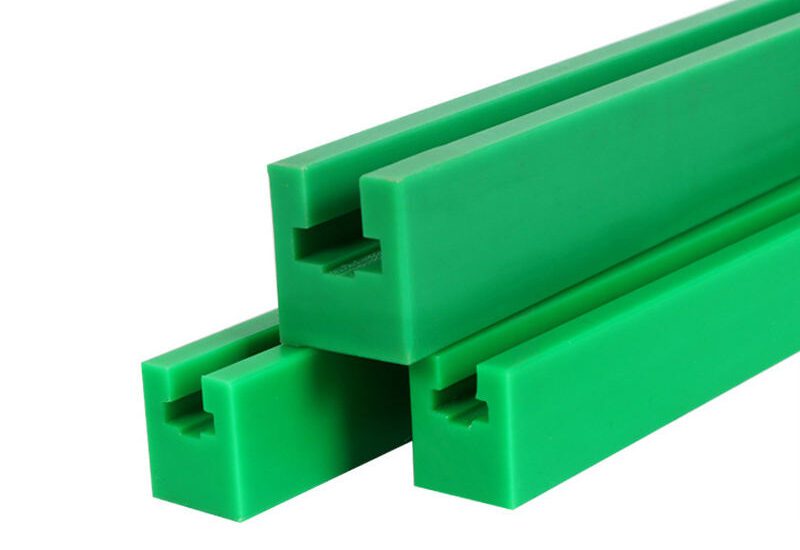
In the complex world of machinery and equipment, the chain guide wear strip may seem like a small and insignificant component. However, it plays a crucial role in ensuring the smooth operation of chain – driven systems. But what happens when this seemingly unimportant part gets damaged? It can lead to a series of problems that ultimately ruin your equipment. In this blog post, we will explore in detail why a damaged chain guide wear strip can have such a disastrous impact on your valuable equipment.
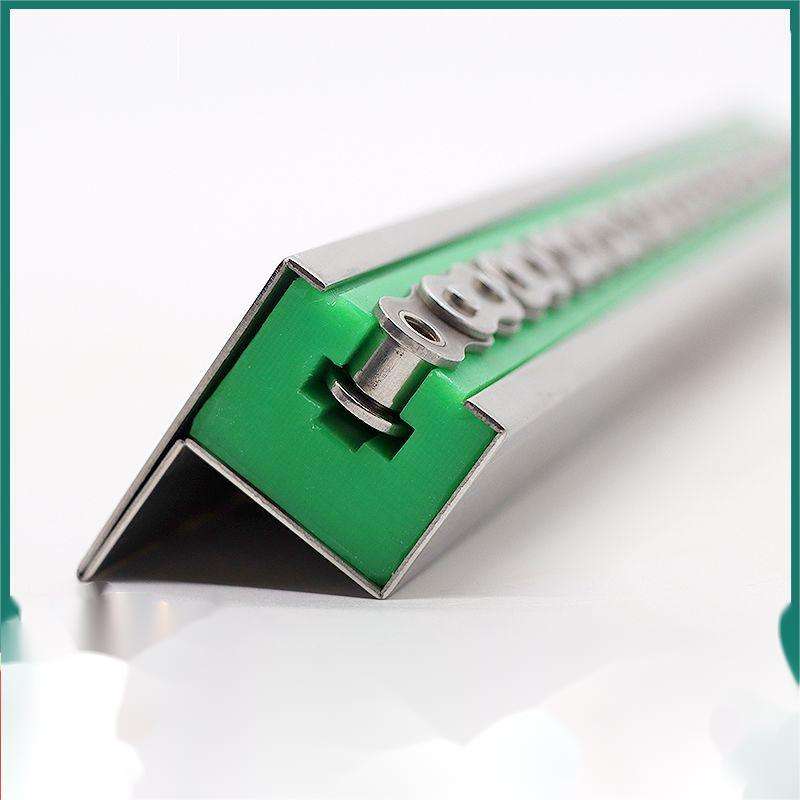
What is a Chain Guide Wear Strip
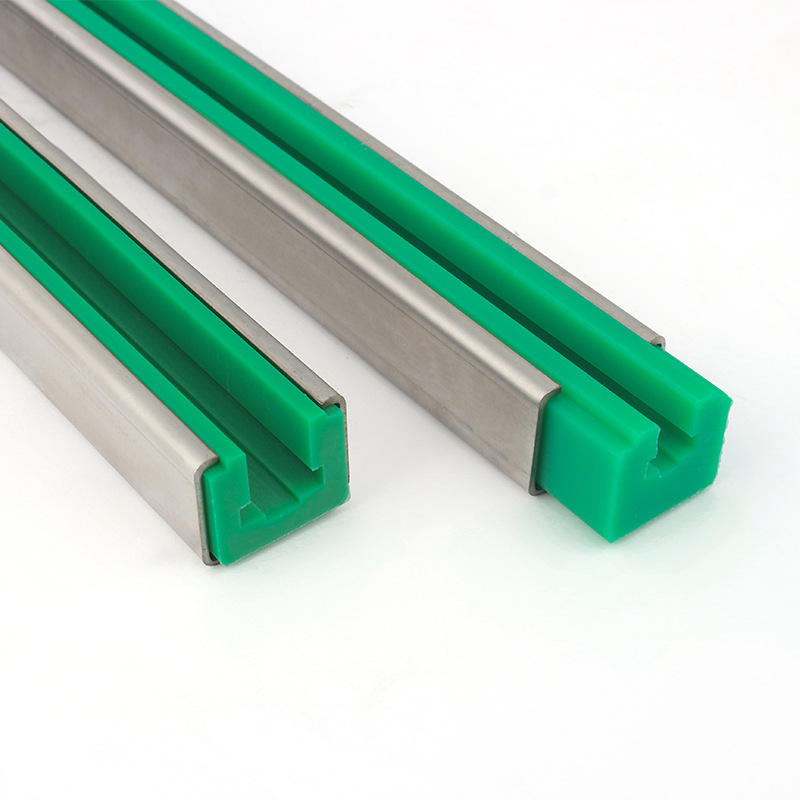
A chain guide wear strip, also known as a wear strip or anti – wear strip in the context of chain systems, is a component designed to guide the chain’s movement and reduce friction between the chain and other parts of the equipment. It is usually made of materials with low friction coefficients and good wear – resistance, such as certain types of plastics like UHMW – PE (Ultra – High – Molecular – Weight Polyethylene) or some specialized rubber compounds. By providing a smooth surface for the chain to run on, it helps the chain move quietly and efficiently, while also protecting other more expensive components from excessive wear.
Common Reasons for Chain Guide Wear Strip Damage
Over time, chain guide wear strips can get damaged for various reasons. One of the most common causes is excessive wear due to continuous use. If the equipment operates for long hours without proper maintenance, the constant rubbing of the chain against the wear strip will gradually wear it down. Improper installation is another factor. If the wear strip is not installed correctly, it may not be able to evenly distribute the forces exerted by the chain, leading to premature damage. Additionally, using a wear strip made of low – quality materials can also result in quick degradation, as these materials may not be able to withstand the mechanical stresses and environmental conditions in which the equipment operates.
How a Damaged Chain Guide Wear Strip Ruins Your Equipment
Increased Friction
When a chain guide wear strip is damaged, the smooth surface that once reduced friction is compromised. Instead of gliding smoothly, the chain now rubs against a rough or uneven surface. This increased friction means that more energy is required to move the chain. As a result, the equipment has to work harder, consuming more power and generating more heat. Overheating can cause damage to other components, such as bearings and seals, and can also lead to a reduction in the overall efficiency of the equipment.
Uneven Chain Movement
A damaged wear strip can no longer guide the chain properly, causing the chain to move unevenly. The chain may start to jump or vibrate, which not only makes a lot of noise but also puts additional stress on the chain and other connected components. In severe cases, the chain may even derail or come off the sprockets completely. This not only stops the equipment from functioning but can also cause damage to the chain and other parts when it suddenly loses its proper alignment.
Accelerated Wear of Other Components
The damage to the chain guide wear strip has a domino effect on other components. The increased friction and uneven movement of the chain cause accelerated wear on the chain itself, the sprockets, and any other parts in contact with the chain. For example, the teeth of the sprockets may start to wear down prematurely, leading to a loss of power transmission efficiency and eventually requiring the replacement of the sprockets. The chain may also stretch or break more easily, which can be costly and time – consuming to repair or replace.
Real – World Examples of Equipment Ruined by Damaged Chain Guide Wear Strips
In a manufacturing plant, a conveyor system that transported heavy products relied on a chain – driven mechanism with chain guide wear strips. Due to lack of regular inspection, the wear strips became severely damaged without anyone noticing. As a result, the chains started to move erratically, causing products to fall off the conveyor. This not only led to production downtime but also damaged some of the products. In the end, the company had to replace not only the damaged wear strips but also the chain, sprockets, and some of the damaged products, resulting in significant financial losses.
Another example is in a construction site, where a crane’s lifting mechanism was affected by a damaged chain guide wear strip. The uneven chain movement caused by the damaged strip led to a sudden jerk during lifting, which overstressed the chain and caused it to break. Fortunately, no one was injured, but the crane was out of service for weeks, delaying the construction project and increasing costs.
Detection and Prevention of Chain Guide Wear Strip Damage
Regular Inspection Methods
To prevent the problems caused by a damaged chain guide wear strip, regular inspection is essential. Visual inspection is the simplest method. Operators should regularly check the wear strip for signs of wear, such as grooves, cracks, or excessive thinning. Measuring the thickness of the wear strip with a caliper can also help determine its remaining lifespan. In addition, listening for unusual noises during equipment operation can be a sign of a problem with the chain guide wear strip, as increased friction or uneven chain movement often produces abnormal sounds.
Maintenance and Replacement Tips
Proper maintenance can extend the life of chain guide wear strips. Keep the equipment clean to prevent dirt and debris from getting between the chain and the wear strip, which can accelerate wear. Lubricating the chain and the wear strip according to the manufacturer’s recommendations can also reduce friction. When it comes to replacement, it’s important to follow the manufacturer’s guidelines on the recommended replacement intervals. If the wear strip has reached a certain level of wear or shows signs of damage, it should be replaced immediately to avoid further problems.
Conclusion
As we have seen, a damaged chain guide wear strip may seem like a minor issue at first glance, but it can have far – reaching consequences for your equipment. From increased friction and uneven chain movement to accelerated wear of other components, the damage can quickly escalate and lead to costly repairs and production downtime. By understanding the importance of regular inspection, proper maintenance, and timely replacement of chain guide wear strips, you can protect your equipment and ensure its long – term, reliable operation. Don’t let a small component like the chain guide wear strip become a big headache for your business.
How can we help you?
You can contact your account manager directly or submit a business inquiry online.