
- October 16, 2025
- Posted by: feinuojixie
- Category: Chain Guides News
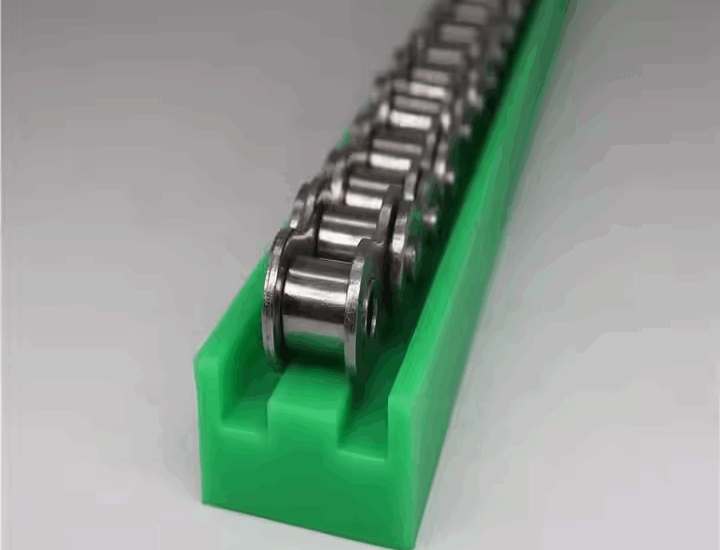
In any industrial setting where chains operate continuously—such as conveyors, packaging equipment, or automated production lines—the chain guide wear strip plays a critical role in maintaining smooth and efficient motion. It provides a low-friction surface for the chain to glide on, minimizes noise, and protects both the chain and frame from excessive wear.
However, even the most durable wear strip can face issues over time due to improper maintenance, environmental conditions, or misalignment. Troubleshooting these problems early is essential to avoid chain damage, system inefficiency, and costly downtime. This guide explores the most common issues with a chain guide wear strip, how to identify their causes, and the best maintenance strategies to extend its lifespan and performance.
Understanding How a Chain Guide Wear Strip Works
A chain guide wear strip serves as a protective and guiding component that supports the chain during motion. It helps reduce direct metal-to-metal contact, which not only cuts down friction but also lowers vibration and noise. Typically made from ultra-high-molecular-weight polyethylene (UHMW), high-density polyethylene (HDPE), or nylon, the strip is designed to endure continuous movement under high load conditions.
The effectiveness of a wear strip largely depends on its material properties and the operating environment. For instance, UHMW offers excellent abrasion resistance and low friction, making it ideal for heavy-duty conveyor systems. When the strip functions correctly, it stabilizes chain travel, prevents misalignment, and contributes significantly to overall system efficiency.
Common Chain Guide Wear Strip Issues and Their Causes
Even with proper setup, a chain guide wear strip can encounter several performance problems over time. Recognizing the symptoms and understanding their causes are key to preventing costly downtime and further equipment damage.
Uneven wear or surface grooving often indicates chain misalignment or incorrect tension. When the chain rides unevenly along the guide, certain sections endure more pressure than others, leading to premature surface degradation. Another possible cause is the accumulation of debris or dust particles between the chain and strip, which acts like abrasive grit.
Excessive noise or vibration typically points to a lack of lubrication or contamination along the guide path. Dirt, metal shavings, or even hardened grease can cause friction, resulting in unwanted noise and shaking. Sometimes, vibration also signals that the wear strip is no longer securely fixed in place.
Chain slipping or jumping can occur when the strip is worn, warped, or improperly sized for the chain profile. This issue not only disrupts motion but can also cause serious mechanical damage if left unchecked. Finally, premature strip degradation—where the material becomes brittle or discolored—may result from chemical exposure, extreme heat, or use of an unsuitable plastic type for the operating environment.
Step-by-Step Guide to Troubleshooting Chain Guide Wear Strip Problems
To maintain smooth performance, it’s important to follow a structured troubleshooting approach. Start with a visual inspection of the chain guide wear strip. Look for cracks, uneven surfaces, grooves, or discoloration. These are the earliest indicators that the strip needs attention or replacement.
Next, check chain alignment and tension. A loose chain can cause jumping and erratic movement, while excessive tension accelerates wear. Use a tension gauge or consult your equipment’s specifications to ensure correct adjustment.
Then, evaluate lubrication quality. Insufficient or contaminated lubricant leads to friction and heat buildup. Clean the guide area thoroughly and reapply fresh lubricant suited to your application’s temperature and load conditions.
During inspection, monitor for vibration or temperature rise. Use a handheld thermometer or infrared sensor to detect heat spots along the strip. Unusual heat can signal friction, poor lubrication, or excessive chain load.
Finally, verify mounting stability. Loose bolts or warped mounts can cause uneven pressure distribution, leading to premature wear or misalignment. Tighten fasteners and ensure the guide channel sits flush against the frame.
Effective Maintenance Practices for Chain Guide Wear Strip Longevity
Regular maintenance is the best defense against wear strip issues. Start by establishing a cleaning schedule to remove dust, metal fragments, or product residue that may accumulate along the guide. A simple wipe-down with a non-reactive cleaning solution can prevent abrasive wear.
Proper lubrication practices also play a critical role. Always choose lubricants compatible with your chain material and operating temperature. In dusty environments, consider dry lubricants to avoid attracting debris.
Set up scheduled inspections to monitor chain tension, alignment, and strip condition. These routine checks help you spot early wear before it escalates into a major problem. Replace worn parts promptly, as continuing to operate with a damaged strip can accelerate chain and sprocket deterioration.
Finally, pay attention to installation and storage. Avoid exposing replacement wear strips to direct sunlight or high temperatures before use. When installing, ensure even pressure and proper fitment to maintain structural stability and reduce stress during operation.
Choosing the Right Replacement Chain Guide Wear Strip
Selecting the correct chain guide wear strip replacement is crucial for system reliability. Consider factors such as load capacity, chain type, operating environment, and temperature range. For heavy-duty or high-speed conveyors, UHMW strips offer superior wear resistance and low friction. In environments exposed to moisture or chemicals, HDPE or nylon materials may be more suitable.
Always confirm compatibility with existing chain systems to ensure smooth operation. Using mismatched components can cause increased vibration or premature failure. When sourcing replacements, work with reputable suppliers who provide certified material specifications and quality assurance. This ensures that the strip meets your performance and safety standards.
When to Call a Professional for Chain Guide Wear Strip Repairs
While many minor issues can be managed through regular maintenance, some problems require professional attention. If you notice repeated chain misalignment, significant surface warping, or persistent vibration despite adjustments, it’s best to contact an experienced technician.
Professionals can perform precise realignment and calibration, use specialized diagnostic tools to measure wear patterns, and recommend optimized materials or designs suited to your application. Attempting to repair severe wear or alignment issues without proper expertise may worsen the situation and lead to unexpected downtime.
Conclusion
The chain guide wear strip is a small but vital component that ensures your chain system operates efficiently and safely. By learning to recognize common issues—such as uneven wear, noise, and slipping—you can take timely action to prevent damage and maintain consistent performance.
Through regular inspection, proper lubrication, and the use of high-quality materials, you can significantly extend the lifespan of both the chain and guide strip. When troubleshooting becomes complex, don’t hesitate to seek expert help. A proactive maintenance approach not only reduces unexpected breakdowns but also keeps your production line running smoothly for the long term.