
- October 17, 2025
- Posted by: feinuojixie
- Category: Chain Guides News
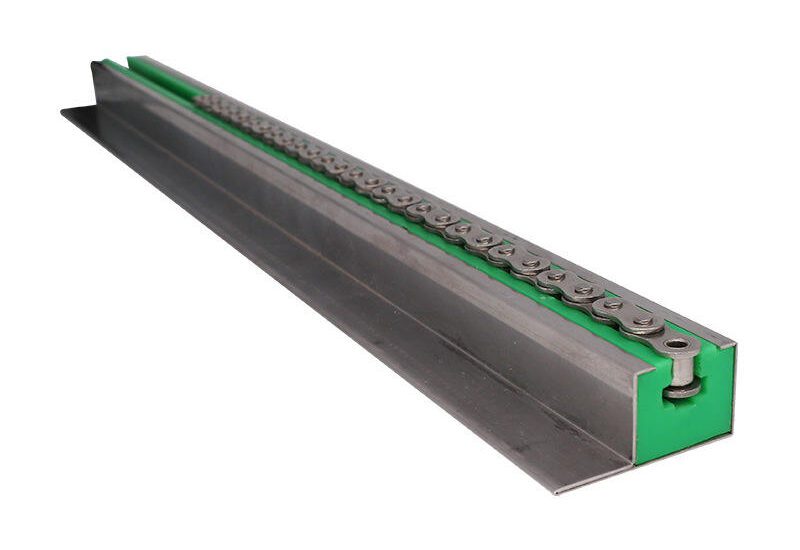
In the world of modern manufacturing, where machines operate around the clock, durability isn’t just a desirable feature—it’s a necessity. Every component, from the smallest bearing to the chain system that drives production, plays a vital role in keeping operations running smoothly. Among these components, chain guide and traditional rail systems stand out as two competing solutions designed to reduce friction and wear in motion systems. Yet, as industries demand greater performance and cost efficiency, one critical question arises: which offers better durability?
Choosing the right guiding system can directly affect production uptime, maintenance schedules, and even product quality. While traditional rails have served industrial setups for decades, the rise of advanced materials like UHMW has pushed chain guides into the spotlight. In this article, we’ll explore how these two solutions stack up in terms of durability, efficiency, and long-term value—helping you determine which is the smarter investment for your operation.
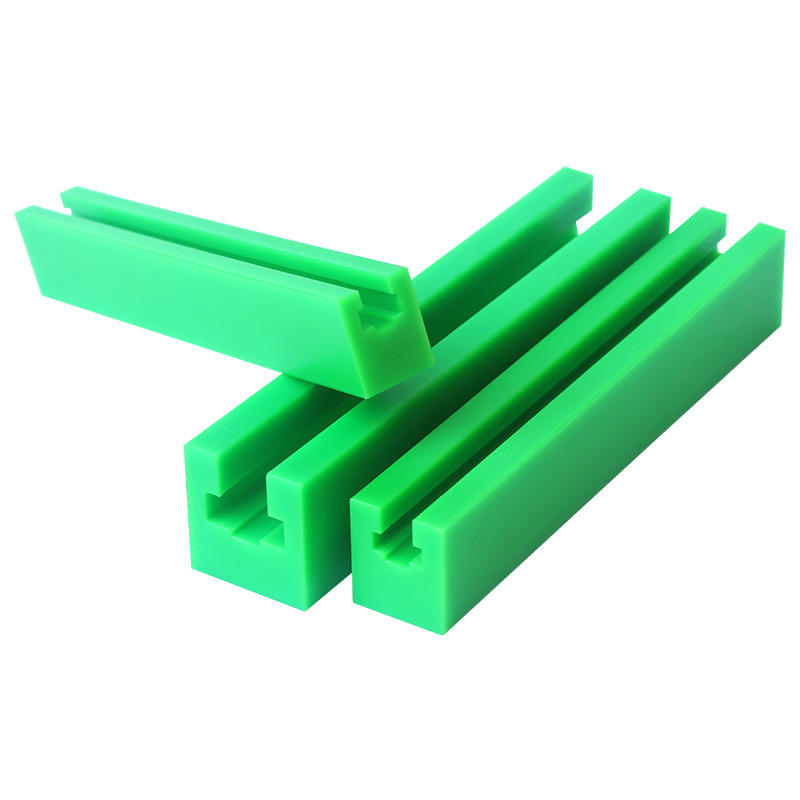
Understanding the Function of a Chain Guide
A chain guide plays a critical role in ensuring smooth and reliable chain movement in conveyor and machinery systems. It serves as a supportive track that keeps the chain aligned, minimizes friction, and reduces vibration during operation. Unlike metal components that generate heat and noise through constant contact, a chain guide typically uses low-friction materials such as UHMW (Ultra High Molecular Weight Polyethylene) or HDPE (High-Density Polyethylene).
These materials provide exceptional wear resistance and self-lubricating properties, allowing the chain to glide efficiently without the need for constant lubrication. The result is a smoother operation, less energy consumption, and an extended lifespan for both the chain and surrounding components. In essence, a chain guide is the quiet, durable backbone that keeps motion systems stable and efficient.
Traditional Rail Systems: A Legacy Solution
Before modern polymers were introduced, traditional rails—usually made of metal or hardened steel—were the industry standard. These rails provided rigid and stable support for chain-driven systems, particularly in heavy-duty applications. They are known for their structural strength and ability to handle high loads without deformation.
However, traditional rails come with drawbacks that limit their durability in today’s demanding environments. Metal-to-metal contact leads to increased friction, which accelerates wear on both the rail and the chain. Regular lubrication is required, and even with maintenance, the surface can corrode or pit over time, especially in wet or chemical-prone environments. While traditional rails remain useful in some applications, they are increasingly being replaced by advanced chain guide systems designed for longevity and low maintenance.
Durability Comparison: Chain Guide vs. Traditional Rail
When it comes to long-term durability, the difference between a chain guide and a traditional rail is significant. Chain guides, made from engineered plastics like UHMW, are designed to withstand continuous friction and impact without wearing down quickly. Their low-friction surface drastically reduces the abrasion that typically occurs in metal systems.
Traditional rails, though strong, degrade faster due to surface wear, rust, and frictional heat. Over time, these issues cause misalignment, vibration, and even premature chain failure. In contrast, a chain guide maintains consistent performance with minimal maintenance, providing a longer lifespan and better protection for the moving chain. The result is less downtime and fewer costly replacements, making chain guides a superior choice for industries focused on reliability and efficiency.
Material Matters: Why UHMW in Chain Guide is a Game Changer
The use of UHMW material has revolutionized how chain guides perform. UHMW offers a rare combination of strength, flexibility, and self-lubricating characteristics. It is highly resistant to abrasion, impact, and most chemicals, which means it can handle harsh environments without corroding or degrading.
This polymer’s ability to maintain its properties under extreme temperatures makes it ideal for food processing, packaging, and manufacturing industries where conditions can vary drastically. Moreover, UHMW’s non-stick surface prevents debris and residue buildup, keeping the chain path clean and efficient. Simply put, UHMW-based chain guides deliver superior durability because the material itself is engineered to resist the very forces that wear down traditional rails.
Maintenance and Replacement Frequency: The Hidden Cost Factor
Durability isn’t just about how long a part lasts—it’s also about how often it needs attention. Traditional rails require frequent inspections, lubrication, and sometimes resurfacing to maintain functionality. Each of these maintenance steps adds to operational downtime and labor costs.
Chain guides, on the other hand, are largely maintenance-free. Thanks to their self-lubricating properties and corrosion resistance, they can operate for years without significant wear. The reduced need for maintenance translates into substantial cost savings over time. Fewer replacements, less downtime, and smoother performance make chain guides the more durable and cost-efficient choice in the long run.
Performance in Harsh Environments: Which Holds Up Better?
Industrial environments can be unforgiving. Exposure to moisture, chemicals, dust, and temperature fluctuations can rapidly degrade metal components. Traditional rails are particularly vulnerable to corrosion and rust in such conditions, leading to premature failure.
Chain guides, built with UHMW or HDPE, excel under these same circumstances. They resist moisture absorption and are immune to chemical corrosion. Even in applications involving water, salt, or acids, chain guides maintain their shape and performance integrity. This resilience makes them the preferred choice for industries such as food processing, marine transport, and chemical manufacturing—where durability in harsh conditions is essential.
Noise and Vibration Control: Comfort Meets Longevity
Another major factor affecting durability is mechanical stress caused by noise and vibration. Metal rails tend to create louder, more abrasive operation environments, which accelerate fatigue in both equipment and operators.
Chain guides significantly reduce these issues. Their smooth, low-friction surfaces dampen vibrations and absorb operational impact, resulting in quieter performance. This not only improves workplace comfort but also reduces wear on chains, bearings, and motors. Over time, less vibration means fewer mechanical failures and a longer service life for the entire system.
Long-Term Cost Efficiency: Durability That Pays Off
When evaluating total ownership cost, chain guides clearly outperform traditional rails. While the initial cost of a chain guide may be slightly higher, the savings accumulated through reduced maintenance, fewer replacements, and lower energy use make it a far more economical solution.
Traditional rails might seem cost-effective at first glance, but the frequent need for lubrication, cleaning, and part replacement quickly offsets that advantage. In contrast, a durable chain guide offers sustained performance with minimal upkeep, ultimately reducing operational costs and improving productivity.

The Clear Winner in Durability and Performance
When comparing a chain guide with a traditional rail, the results are clear. Chain guides deliver superior durability, quieter operation, and lower maintenance demands, all while performing reliably in harsh industrial environments. Their advanced materials, especially UHMW, provide unmatched wear resistance and long-term stability.
While traditional rails still have their place in certain heavy-load applications, the shift toward modern polymer-based chain guides reflects a growing industry focus on longevity, efficiency, and cost-effectiveness. For businesses that value durability and reliability, the chain guide stands as the smarter and more sustainable choice—built not just to perform, but to last.