
- October 17, 2025
- Posted by: feinuojixie
- Category: Chain Guides News
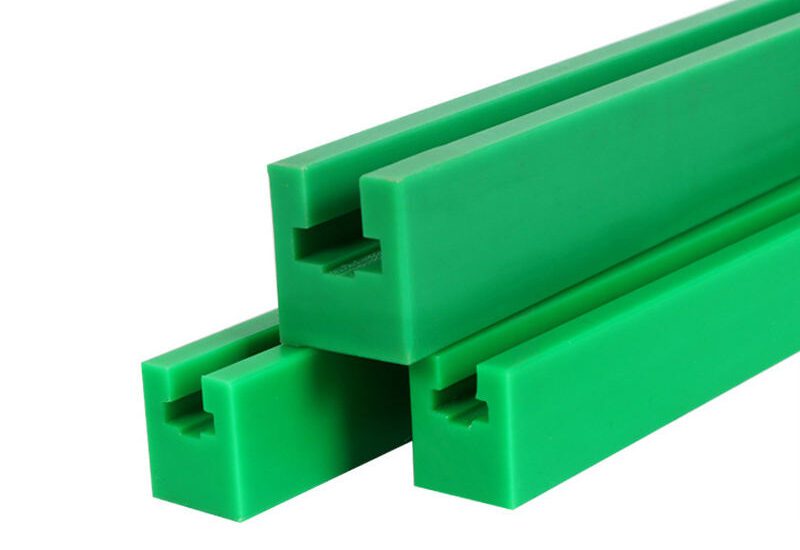
In any conveyor system, consistent performance and durability are essential for maintaining production efficiency. One of the most critical yet often overlooked components that make this possible is the chain guide. While chains are responsible for transmitting motion and power, the chain guide ensures that every link moves in a precise, controlled path. Without it, conveyors can experience excessive friction, noise, misalignment, and premature wear.
A high-quality chain guide is not merely a support accessory—it is a foundational element that defines the performance, safety, and longevity of the entire conveyor system. Whether your operation involves food processing, packaging, automotive assembly, or heavy industrial use, the right chain guide can dramatically improve system reliability and reduce operating costs.
In this article, we’ll explore the top seven reasons why investing in a quality chain guide is essential for any conveyor system. From ensuring smooth operation to extending the overall equipment lifespan, you’ll see how this small component can make a significant difference in long-term efficiency and performance.
Chain Guide Ensures Smooth and Stable Operation
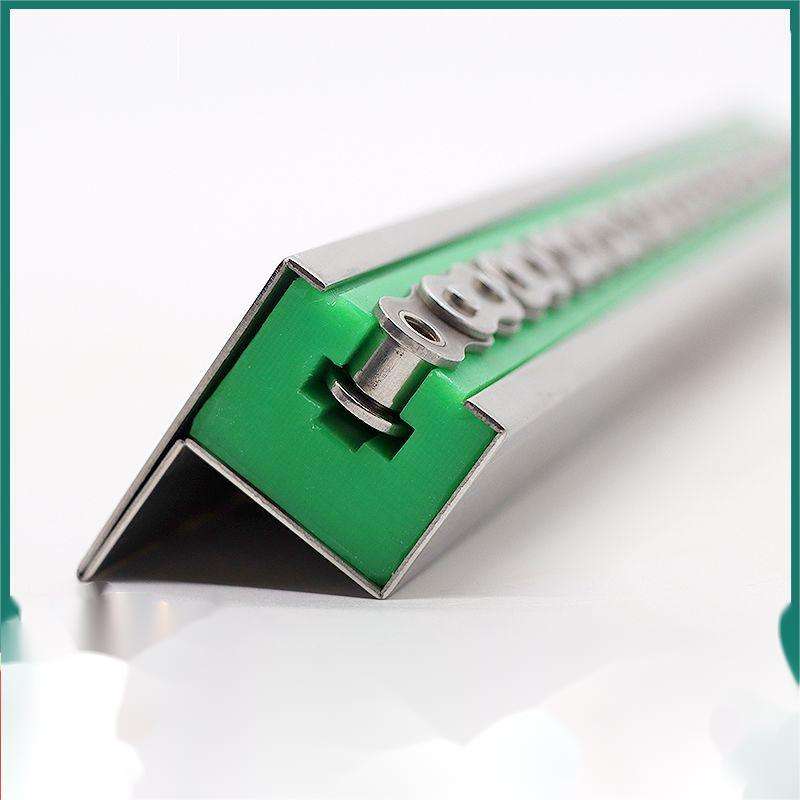
A conveyor system depends on precise chain alignment to function efficiently. The chain guide ensures that the chain remains on track, preventing it from slipping or derailing during operation. Without proper guidance, even minor misalignments can lead to vibration, jerking motion, or chain damage. A quality chain guide provides a consistent and stable path, allowing the chain to move smoothly over long distances.
This stability not only reduces downtime caused by mechanical failures but also helps maintain a steady production flow. In high-speed or heavy-load applications, where constant motion is critical, the role of the chain guide becomes even more important. With a well-designed chain guide in place, the conveyor can deliver uniform performance while minimizing stress on the motor and drive components.
Chain Guide Reduces Friction and Wear
One of the most significant advantages of using a chain guide is its ability to minimize friction. The chain constantly slides against the guide surface, and if this surface is rough or metallic, wear can occur quickly. High-quality chain guide materials, such as UHMW (Ultra-High Molecular Weight Polyethylene) or HDPE (High-Density Polyethylene), are engineered to provide low-friction properties that greatly reduce contact resistance.
As a result, both the chain and guide experience less wear, extending their service life and maintaining performance over time. Reduced friction also means less heat generation, preventing premature lubrication breakdown. The outcome is a smoother, quieter conveyor system that runs more efficiently with fewer interruptions.
Chain Guide Lowers Maintenance Costs
Maintenance is one of the most time-consuming and expensive aspects of managing a conveyor system. However, with a durable chain guide in place, maintenance demands can be significantly reduced. The wear-resistant surface of a quality chain guide decreases the need for frequent replacements or repairs, helping businesses save both time and money.
Moreover, since high-performance chain guide materials require less lubrication, maintenance teams spend less effort applying and monitoring lubricants. This not only cuts costs but also enhances workplace cleanliness by reducing oil buildup and residue. In the long run, using a superior chain guide translates into fewer shutdowns, lower maintenance budgets, and higher productivity.
Chain Guide Improves Conveyor Safety
Safety is a major priority in any industrial environment, and a reliable chain guide contributes directly to a safer workplace. When a chain is properly guided, it is less likely to slip, jam, or break. These incidents can lead to sudden stops or even cause accidents that put operators at risk.
A well-engineered chain guide minimizes such hazards by maintaining proper tension and alignment at all times. It ensures that the chain moves smoothly through bends and transitions, preventing unexpected jerks or vibrations that could destabilize the system. By reducing mechanical stress and potential chain failure, a quality chain guide helps protect both the equipment and the people working around it.
Chain Guide Enhances Energy Efficiency
Energy efficiency is becoming increasingly important in modern manufacturing. Every source of friction or misalignment in a conveyor system adds extra load to the motor, which translates into higher power consumption. A smooth-running chain guide reduces resistance between the chain and the track, allowing the motor to operate more efficiently.
When friction is minimized, the system requires less energy to maintain movement, lowering electricity usage and operational costs. Over time, this improvement can result in significant energy savings, especially in large-scale or continuous-run operations. A well-chosen chain guide not only conserves power but also helps promote sustainability by reducing the overall carbon footprint of industrial processes.
Chain Guide Minimizes Noise and Vibration
Excessive noise and vibration in conveyor systems can lead to discomfort for workers and potential damage to equipment. A high-quality chain guide, particularly one made from polymer materials, provides a cushioning effect that absorbs vibration and dampens noise. This feature is especially valuable in environments where quiet operation is crucial, such as food processing plants or packaging facilities.
Lower noise levels not only create a more comfortable workspace but also help meet occupational safety standards. Additionally, by reducing vibration, the chain guide prevents unnecessary wear on sprockets, bearings, and other components. The result is a quieter, smoother, and more reliable conveyor system that operates efficiently with less strain on mechanical parts.
Chain Guide Extends Overall System Lifespan
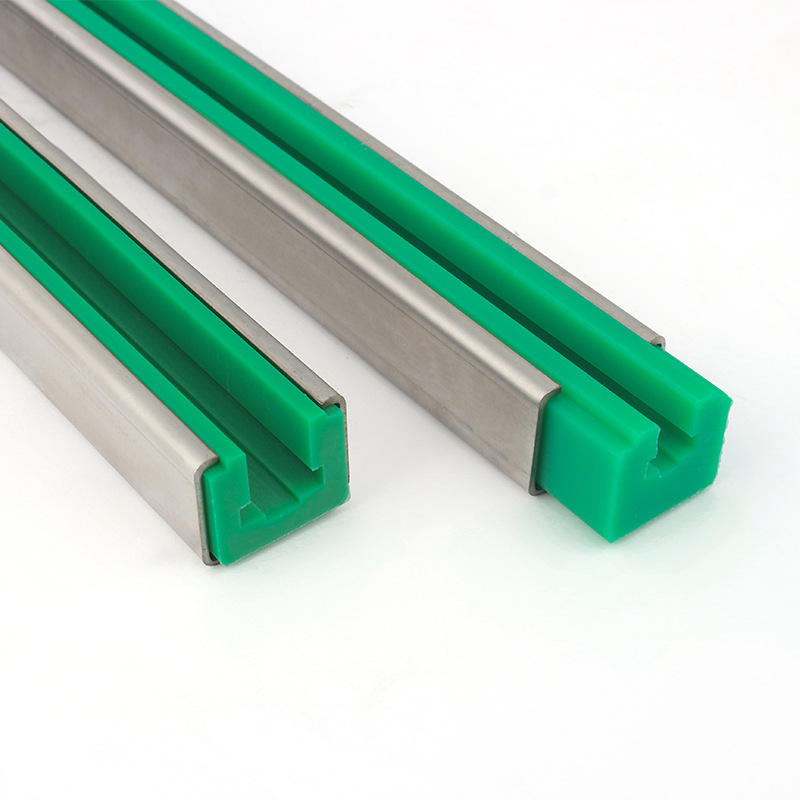
Every component in a conveyor system affects its overall longevity. When a high-quality chain guide is used, it enhances the durability of the entire setup. By ensuring smooth motion, reducing friction, improving safety, and lowering maintenance needs, the chain guide effectively minimizes the mechanical stress placed on the system.
Over time, this means fewer breakdowns, longer intervals between part replacements, and consistent performance even under demanding conditions. Investing in a superior chain guide is not merely a short-term upgrade—it is a long-term strategy for maximizing the lifespan and efficiency of your conveyor equipment.
Conclusion
The chain guide may seem like a small component, but its impact on conveyor performance is enormous. From ensuring smooth operation and minimizing friction to improving safety and extending system life, a quality chain guide is essential for achieving long-term reliability. It supports every movement of the chain, keeping production lines efficient and cost-effective.
By selecting the right material and design for your specific application, you can enhance the performance, safety, and energy efficiency of your conveyor system. In the end, investing in a high-quality chain guide is not just a maintenance decision—it’s a smart move toward a more productive and sustainable operation.