
- October 17, 2025
- Posted by: feinuojixie
- Category: Chain Guides News
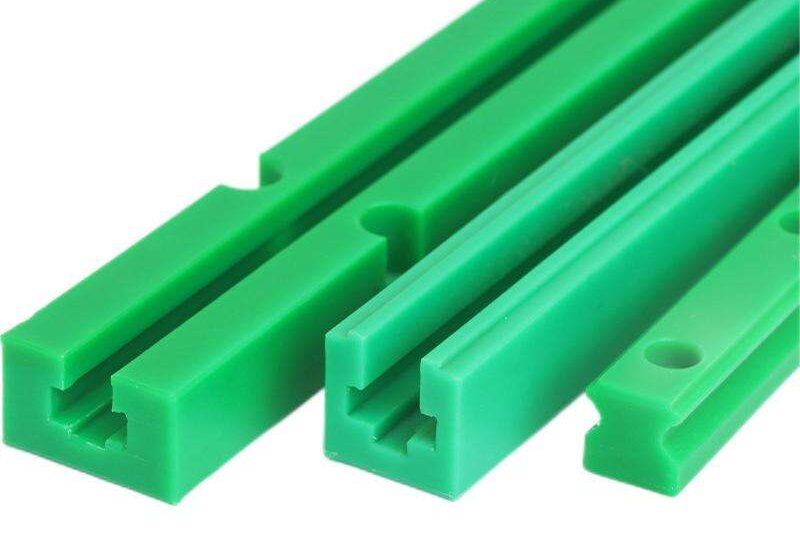
In any conveyor or mechanical transport system, the chain guide plays a much larger role than it might seem. It is the silent component that keeps the chain running smoothly, minimizes friction, and ensures alignment under continuous load. Choosing the right chain guide is not just about fitting a part—it’s about optimizing the entire system’s performance and lifespan. The wrong selection can lead to excessive wear, frequent maintenance, and unexpected downtime, all of which can reduce productivity and increase operational costs. By understanding what makes a chain guide effective and durable, engineers and maintenance professionals can make smarter choices that deliver long-term efficiency and reliability.
Understanding the Role of a Chain Guide in Conveyor Systems
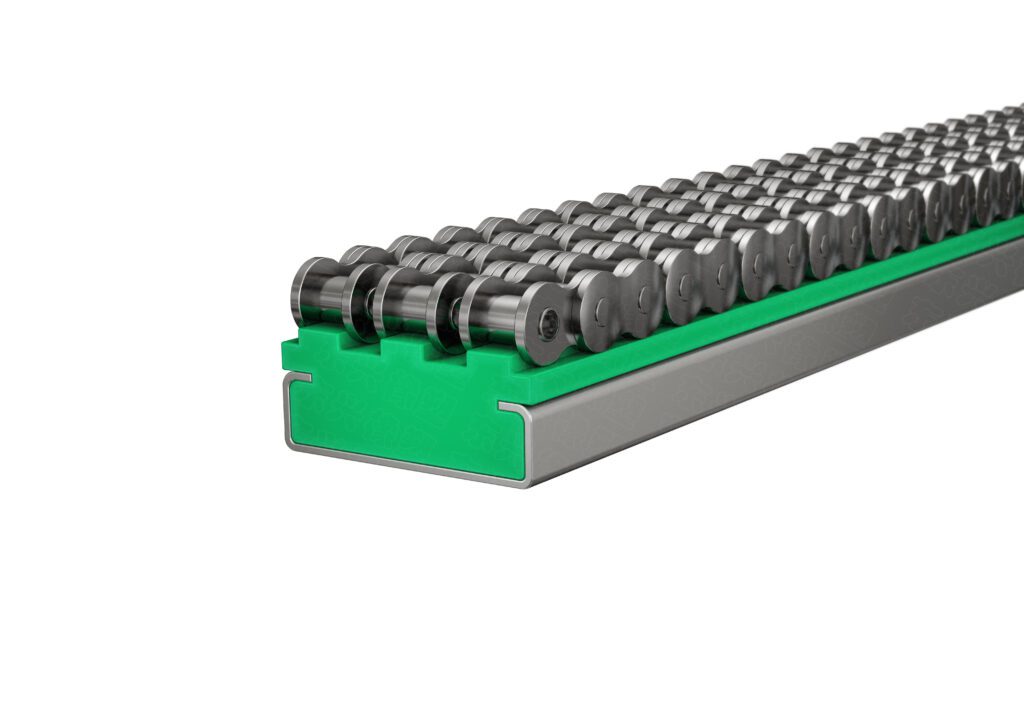
A chain guide serves as the backbone of a conveyor system, ensuring that the chain moves precisely along its intended path. It minimizes vibration, friction, and noise while preventing misalignment that can cause mechanical stress and premature wear.
What is a Chain Guide?
A chain guide is typically a linear support made from durable, low-friction materials that cradle and direct the chain during operation. It maintains chain stability, preventing it from contacting metal surfaces and reducing the risk of damage. Without it, the chain would experience excessive vibration, uneven wear, and possible derailment under heavy loads.
How Chain Guide Supports Smooth Operation
The main job of a chain guide is to ensure steady, frictionless motion. By reducing direct contact between metal components, it limits wear on both the chain and the guide structure. This results in quieter operation, smoother chain travel, and longer equipment life. In addition, a well-designed chain guide helps absorb vibration and distribute load evenly, making it indispensable in high-speed or continuous-use applications.
Key Factors to Consider When Choosing a Chain Guide
Selecting the right chain guide involves understanding the system’s operating conditions, the type of chain in use, and the demands of the environment. Each factor contributes directly to performance, efficiency, and durability.
Material Selection: Matching the Guide to the Environment
Material choice is perhaps the most critical consideration. UHMW (Ultra High Molecular Weight Polyethylene) is a popular choice due to its excellent wear resistance, low friction, and chemical stability. For applications exposed to high temperatures or heavy impact, nylon or reinforced composites may be more suitable. Always match the material to the operational environment—whether it’s moisture, heat, or corrosive substances—to ensure maximum performance.
Compatibility with Chain Type and Load
Different chains require guides with specific dimensions and profiles. The guide should fit the chain snugly without excessive clearance to prevent slippage or misalignment. Additionally, the load-bearing capacity of the chain must match the guide’s structural strength. A mismatch can lead to deformation or premature failure, especially under high tension or rapid cycles.
Operating Environment: Temperature and Contamination Concerns
Environmental conditions greatly affect how a chain guide performs over time. For instance, extreme heat can soften plastics, while abrasive dust or chemicals can degrade the surface. In food processing or pharmaceutical environments, where hygiene is essential, self-lubricating and FDA-approved materials should be prioritized to prevent contamination and ensure easy cleaning.
Mounting Design and Installation Flexibility
Ease of installation and maintenance is another key factor. Some chain guides come with modular or snap-in designs that simplify replacement and adjustment. Choosing a guide with the right mounting system can reduce downtime, simplify alignment, and enhance long-term maintenance efficiency.
The Importance of Chain Guide Material Quality
Not all chain guides are created equal, and material quality directly impacts longevity and system reliability.
Why UHMW Chain Guide is a Popular Choice
UHMW chain guide has become the industry standard for many conveyor systems. Its self-lubricating properties minimize friction, while its resistance to abrasion and chemicals makes it ideal for demanding industrial environments. Unlike metal alternatives, UHMW does not corrode, and it operates quietly—making it perfect for applications where noise reduction is critical.
When to Choose Alternative Materials
There are, however, cases where UHMW may not be the best option. In high-temperature environments, nylon or PTFE-based materials may provide better thermal stability. For extremely heavy loads, metal-backed or composite chain guides can offer superior structural integrity and heat dissipation. The key is to analyze the working conditions and balance durability, cost, and performance.
Common Mistakes to Avoid When Selecting a Chain Guide
Even with high-quality materials and designs available, selection mistakes are common and often costly.
Ignoring Chain Speed and Load Variations
A chain guide that performs well at low speed might fail quickly under high-speed or fluctuating load conditions. Overheating, surface wear, and deformation can occur if the guide isn’t designed to handle the operational intensity. Always check manufacturer recommendations for speed and load limits before installation.
Overlooking Alignment and Chain Tension
Improper alignment or tension can cause uneven contact between the chain and the guide, leading to localized wear and possible failure. During installation, precise alignment and consistent chain tension are essential to ensure smooth performance and prevent unnecessary stress.
Choosing Based on Price Alone
A low-cost chain guide might seem like a bargain initially, but frequent replacements, system downtime, and chain damage can quickly offset any savings. It’s better to invest in a high-quality, well-matched guide that ensures reliability and reduces maintenance costs over time.
Maintenance Tips for Extending Chain Guide Lifespan
Proper care and maintenance are vital to getting the most out of your chain guide and ensuring consistent system performance.
Routine Inspection and Lubrication
Regularly inspect the guide for signs of wear, such as grooves, cracks, or discoloration. Although UHMW and other plastics are self-lubricating, some applications benefit from periodic cleaning or minimal lubrication to further reduce friction. Keep the area free from debris to prevent abrasion and contamination.
Timely Replacement and Preventive Care
Waiting until a guide fails can lead to costly chain or sprocket damage. Instead, replace worn guides during scheduled maintenance to minimize downtime. Preventive care—like checking alignment and chain tension—can significantly extend the lifespan of both the chain and the guide.
How the Right Chain Guide Boosts System Efficiency
Selecting the appropriate chain guide has a direct impact on productivity, energy use, and operational costs.
Reducing Friction for Energy Savings
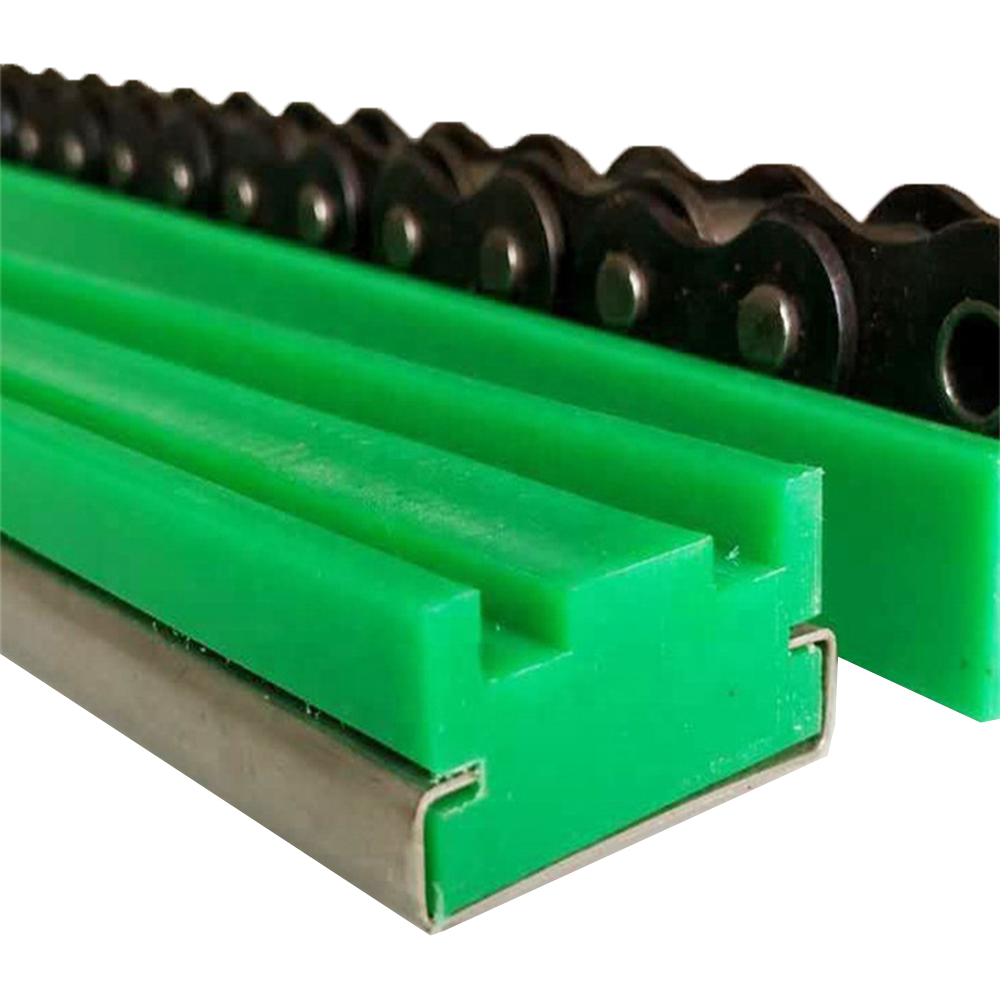
A properly fitted chain guide with the right material minimizes drag, meaning less energy is required to move the chain. This not only enhances efficiency but also lowers the mechanical stress on the drive motor, contributing to longer system life and reduced energy bills.
Minimizing Downtime and Maintenance Costs
Durable, well-chosen chain guides help maintain steady system operation with fewer interruptions. The result is improved throughput, lower maintenance expenses, and a longer interval between replacements—all of which contribute to higher profitability and smoother workflows.
Investing in Quality Chain Guide for Long-Term Value
The right chain guide does more than guide a chain—it drives efficiency, stability, and longevity throughout your entire operation. By paying close attention to material quality, compatibility, and installation design, you can ensure optimal performance under any condition. Avoiding common mistakes and maintaining the guide regularly will keep your conveyor system running smoothly, with minimal wear and downtime. In the end, investing in a high-quality chain guide is not just a maintenance decision—it’s a strategic choice that enhances productivity, reliability, and long-term value.