
- October 20, 2025
- Posted by: feinuojixie
- Category: Chain Guides News

In modern industrial systems, a chain guide plays a silent yet crucial role in ensuring smooth, efficient, and reliable motion. Whether in a conveyor line, agricultural equipment, or automated production system, it helps guide and support the chain, reducing friction, noise, and vibration. Without it, the constant movement of metal chains against structural components would quickly lead to excessive wear, energy loss, and costly downtime.
A well-designed chain guide not only enhances the performance of the chain itself but also protects the surrounding equipment. By providing consistent alignment and smooth travel paths, it extends the lifespan of the entire system while maintaining optimal speed and precision. Understanding how a chain guide functions—and how to choose, install, and maintain it properly—is key to keeping your operations running at peak performance.
What is a Chain Guide and Why It Matters
A chain guide is a precision-engineered component that directs the motion of a chain along a defined path. Its main role is to prevent the chain from slipping, vibrating, or making direct contact with metal surfaces. By doing so, it minimizes friction and helps maintain proper tension and alignment.
In systems where chains operate continuously at high speed or under heavy load, even minor misalignment can cause serious issues—such as increased wear, energy inefficiency, or unexpected breakdowns. A chain guide acts as a stabilizer, keeping everything in place. It also contributes to noise reduction, a crucial factor in maintaining a safe and comfortable working environment. Ultimately, using the right chain guide ensures longer equipment life, consistent performance, and lower maintenance costs.
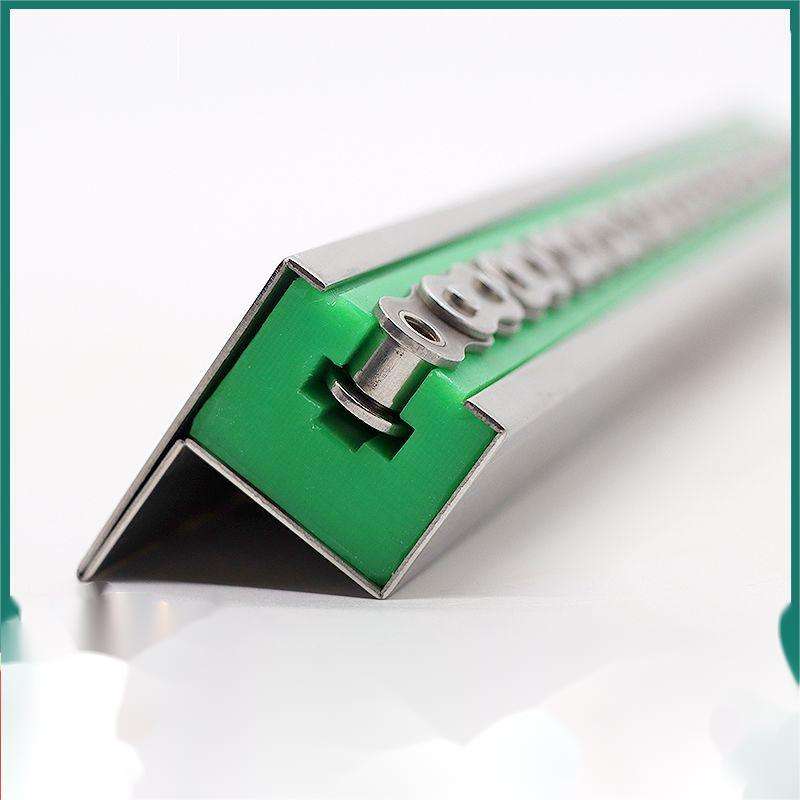
Common Materials Used for Chain Guide
The effectiveness of a chain guide largely depends on the material it’s made from. Each material offers unique advantages, making it suitable for specific operating conditions.
UHMW-PE Chain Guide
Ultra-high molecular weight polyethylene (UHMW-PE) is one of the most common materials used for chain guide. It provides excellent wear resistance, low friction, and outstanding impact strength. It’s ideal for high-speed conveyors or applications where noise reduction is essential.
Nylon Chain Guide
Nylon offers high mechanical strength and rigidity, making it perfect for demanding environments such as heavy-duty conveyors and industrial machinery. Its ability to withstand high loads and resist impact ensures stable performance even under constant stress.
PTFE Chain Guide
Polytetrafluoroethylene (PTFE) provides exceptional resistance to chemicals and high temperatures. This makes it ideal for applications in the chemical or food processing industries, where exposure to corrosive substances is common.
Metal-Backed Chain Guide
In high-load or precision systems, a metal-backed chain guide is preferred for its dimensional stability and enhanced support. The combination of a low-friction polymer surface and a metal base ensures both strength and smooth movement.
When selecting a chain guide material, consider operating temperature, chemical exposure, chain speed, and load requirements. A proper match guarantees durability and efficiency.
Key Design Considerations for an Efficient Chain Guide
The design of a chain guide plays a vital role in its performance and longevity. Several factors influence how effectively it supports the chain.
Profile and Geometry
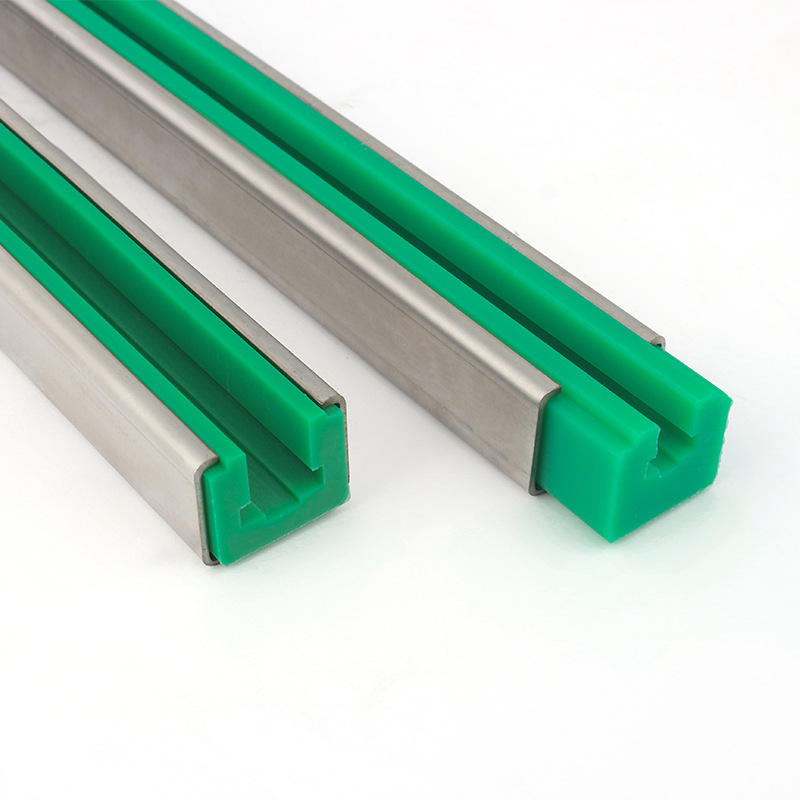
The shape of the chain guide must match the specific chain profile. Proper geometry ensures smooth travel without snagging or slipping, minimizing vibration and wear.
Load and Speed Compatibility
Chain guides are exposed to continuous mechanical stress. Choosing a design capable of handling both the load and operational speed prevents deformation and friction-related damage.
Mounting and Alignment
Precise mounting ensures the chain runs in a straight line. Misalignment leads to uneven wear and reduced efficiency. Adjustable mounts or pre-drilled holes can help simplify installation.
Customization for Industry Needs
Different industries require tailored designs. For example, food-grade applications may need FDA-approved materials, while automotive systems demand high-temperature resistance and durability.
A well-engineered chain guide design balances performance, cost, and ease of maintenance.
Installation Best Practices for Chain Guide
Proper installation is key to ensuring the longevity and performance of a chain guide.
Start by thoroughly cleaning the mounting surface to remove dust or debris that could cause misalignment. Position the chain guide in line with the sprockets, ensuring the chain runs smoothly along the guide path. Check that there’s enough clearance to prevent binding but not so much that the chain can slip off.
During installation, apply consistent tension along the chain to avoid uneven pressure. Over-tightening can cause unnecessary friction, while a loose setup may lead to vibration or skipping. Always follow manufacturer recommendations for alignment and fastening torque.
By taking time to install correctly, you’ll avoid many common issues such as uneven wear, chain noise, or guide damage.
Maintenance Tips to Extend the Life of Chain Guide
Even the most durable chain guide requires routine maintenance to stay in top condition. Regular attention prevents small issues from turning into costly failures.
Regular Cleaning and Lubrication
Dust, oil, and debris can accumulate over time, increasing friction and wear. Clean the guide periodically and apply the recommended lubricant for your chain type and operating environment.
Scheduled Inspection
Establish an inspection schedule to check for wear marks, cracks, or deformation. Early detection allows for timely replacement before system performance declines.
Watch for Warning Signs
If you notice increased noise, vibration, or chain slippage, it may indicate that the guide surface is worn or the alignment is off. Address these issues immediately to prevent further damage.
Repair or Replace
In many cases, worn chain guides can be replaced without dismantling the entire system. However, if the base structure is compromised, replacement is the best option to ensure safety and reliability.
A proactive maintenance routine extends the service life of both the chain and its guide, ensuring consistent productivity.
How to Troubleshoot Chain Guide Issues
When problems arise, identifying the root cause quickly is essential to minimize downtime.
Misalignment and Uneven Wear
If one side of the chain or guide shows excessive wear, the likely cause is poor alignment. Recheck the mounting and adjust to maintain a straight path.
Noise or Vibration
Abnormal noise often signals that the guide material is wearing unevenly or that lubrication is insufficient. Inspect for debris buildup or surface damage.
Material Degradation
Exposure to chemicals, UV light, or extreme temperatures can degrade certain materials. Choose a more suitable material if the environment is too harsh for the existing guide.
Efficient troubleshooting keeps your system running smoothly and prevents small problems from escalating.
Applications of Chain Guide Across Industries
Chain guides are essential across many sectors where precise chain movement is critical.
Conveyor and Production Systems
In manufacturing lines, they ensure chains move smoothly, preventing product jams and reducing wear on equipment.
Agricultural Machinery
They help maintain reliable performance in dusty or outdoor environments, reducing downtime in harvest or processing equipment.
Food and Beverage Processing
Chain guides made from FDA-approved materials ensure hygienic operation and prevent contamination while supporting smooth transport.
Automotive and Packaging Equipment
They provide the stability needed for automated assembly and high-speed packaging lines, ensuring accuracy and consistency.
Regardless of industry, chain guides play a pivotal role in maintaining performance and reducing operating costs.
Future Trends in Chain Guide Technology
As technology evolves, so do the materials and designs used in chain guides.
Self-Lubricating Materials
New formulations of polymers reduce or eliminate the need for manual lubrication, lowering maintenance costs and environmental impact.
Smart Chain Guides
Some advanced designs incorporate sensors to monitor temperature, friction, and wear in real time, allowing predictive maintenance.
Sustainable Solutions
Eco-friendly materials and recyclable components are becoming more common as industries move toward greener manufacturing practices.
The future of chain guide technology lies in combining durability, intelligence, and sustainability for smarter, more efficient systems.
Maximizing Performance and Longevity with the Right Chain Guide
A chain guide might seem like a simple component, but its impact on system performance is profound. By choosing the right material, applying sound design principles, and following proper installation and maintenance practices, you can significantly extend the lifespan of your equipment.
Whether in a high-speed conveyor, an agricultural system, or an automated production line, a high-quality chain guide ensures smooth operation, reduced downtime, and long-term cost savings. Investing in the right chain guide is not just about protecting your chain—it’s about securing the efficiency and reliability of your entire operation.