
- October 22, 2025
- Posted by: feinuojixie
- Category: Injection Molding News
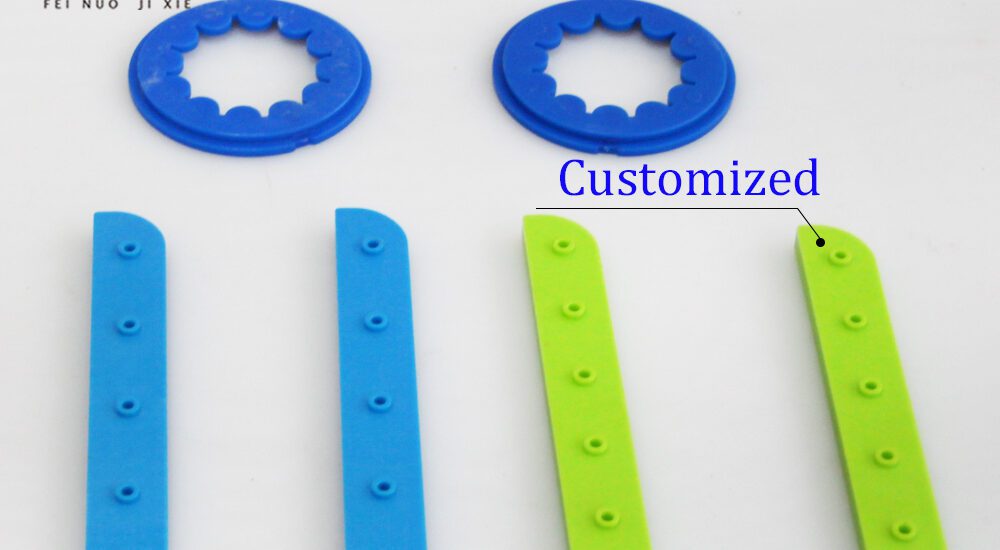
Injection molded part has become the backbone of modern manufacturing, powering industries from automotive and medical devices to consumer electronics. This process allows manufacturers to produce complex shapes with exceptional precision and consistency. Whether you are a designer optimizing your next prototype or a buyer sourcing reliable plastic components, understanding the fundamentals of injection molded part is essential. In this article, we’ll explore ten key aspects that every professional should know—from design principles to material choices and emerging technologies shaping the future of the field.
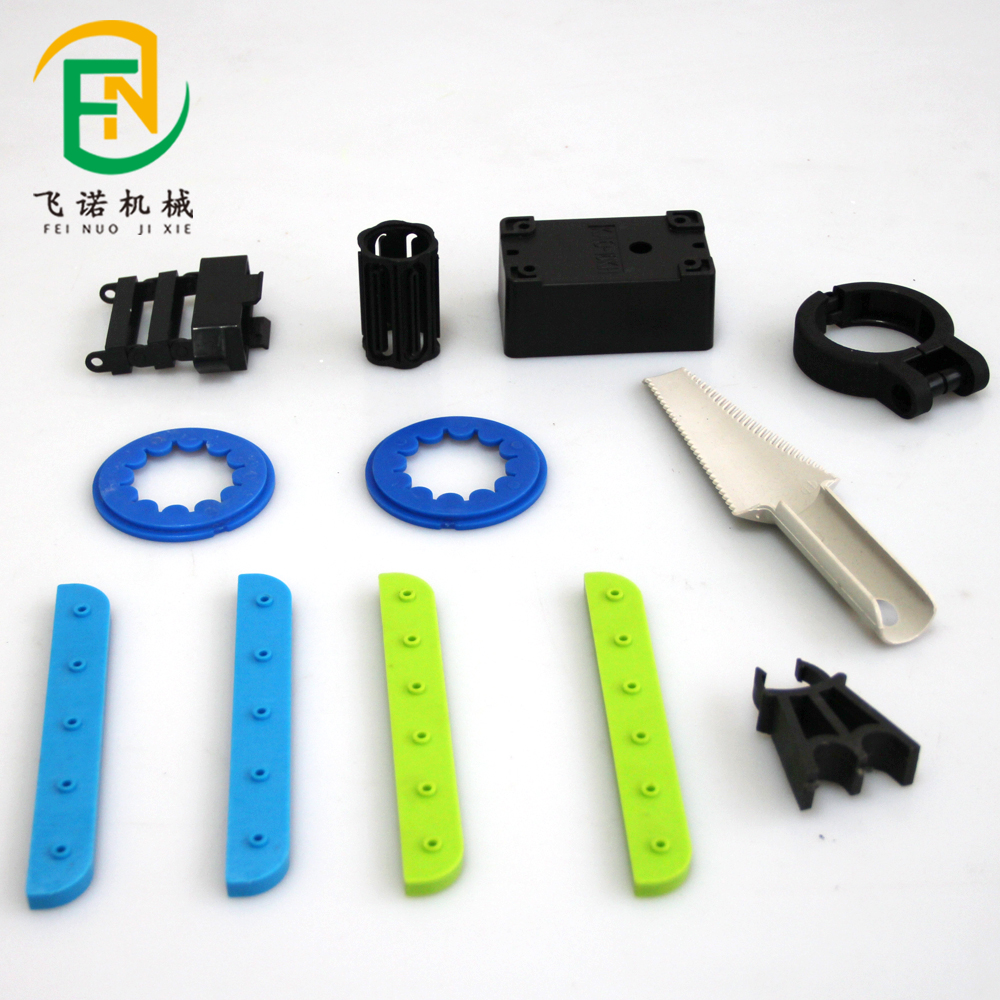
Understanding What Injection Molded Part Really Means
Injection molded part refers to a component created through the injection molding process, one of the most widely used manufacturing methods for plastic products. The process involves melting thermoplastic pellets and injecting the molten material into a metal mold cavity under high pressure. Once cooled and solidified, the part is ejected, revealing a precise and repeatable shape. This technique enables mass production of components with tight tolerances and complex geometries, making it indispensable for industries that demand accuracy and durability. The versatility of injection molding means it can produce anything from small medical components to large automotive housings.
The Role of Material Selection in Injection Molded Part Quality
Material selection plays a crucial role in determining the performance and reliability of injection molded part. Each plastic resin has unique properties that affect mechanical strength, flexibility, and resistance to temperature or chemicals. For example, ABS provides good impact strength and surface finish, polypropylene (PP) offers chemical resistance and flexibility, while polycarbonate (PC) delivers high clarity and heat resistance. Engineers must balance functionality, cost, and appearance when selecting materials. Factors such as shrinkage rate, melting temperature, and flow behavior must also be considered to ensure the part meets all design and performance requirements.
Design Guidelines for Strong and Efficient Injection Molded Part
The success of an injection molded part begins with smart design. Designers should focus on maintaining uniform wall thickness to avoid warping and sink marks. Incorporating draft angles helps in easy ejection from the mold, preventing surface damage. Ribs and gussets can be added to improve structural strength without increasing weight. Fillets at corners reduce stress concentration, while proper gate placement ensures even material flow. By following these principles, engineers can create parts that are both durable and cost-efficient, minimizing the need for secondary machining or post-processing.
The Importance of Mold Design and Precision Engineering
Mold design is the foundation of every successful injection molded part. A high-quality mold determines the accuracy, efficiency, and longevity of production. Critical aspects such as gate type and location influence how the material fills the cavity, while cooling channels affect cycle time and dimensional stability. Venting ensures trapped air escapes during injection, preventing defects like voids or burn marks. Precision machining of the mold guarantees tight tolerances and consistent part dimensions. Investing in superior mold engineering not only enhances product quality but also reduces downtime and long-term manufacturing costs.
Common Defects in Injection Molded Part and How to Prevent Them
Even with advanced technology, injection molded part can experience various defects if the process is not carefully controlled. Common issues include sink marks from uneven cooling, warping due to non-uniform wall thickness, flash caused by excessive pressure, and short shots when the cavity fails to fill completely. These problems can be minimized by optimizing processing parameters—such as injection speed, temperature, and cooling time—and ensuring proper mold maintenance. Regular inspection and simulation tools can also help identify and eliminate potential errors before production begins.
The Role of Tolerances and Dimensional Accuracy
Precision is vital in industries like automotive, aerospace, and medical where injection molded part must fit and function perfectly. Tolerances define how much variation is acceptable in a part’s dimensions. Achieving tight tolerances requires advanced mold design, stable process control, and consistent material properties. Techniques such as in-mold sensors and automated feedback systems help monitor and adjust parameters in real time. Maintaining dimensional accuracy not only ensures product performance but also reduces assembly issues and warranty claims.
Surface Finish Options for Injection Molded Part
Surface finish is more than just an aesthetic feature—it also affects functionality. Injection molded part can be finished in various ways to achieve specific visual or tactile results. Polished surfaces provide a glossy, mirror-like look ideal for consumer products. Textured finishes improve grip and hide minor imperfections. Painting, plating, and laser etching can add both protection and branding elements. The choice of finish depends on application requirements, environmental conditions, and material type. A well-chosen surface treatment enhances both appearance and durability.
Cost Factors That Influence Injection Molded Part Production
The total cost of an injection molded part depends on several variables. Mold fabrication is typically the largest upfront investment, influenced by mold complexity and material. Production costs are affected by cycle time, material usage, and part volume. High-volume runs generally reduce per-unit costs, while special features or tight tolerances can increase expenses. Choosing recyclable materials or simplifying part design can further reduce costs. Collaborating with experienced mold makers and manufacturers early in the design stage helps achieve the best balance between quality and budget.
The Advantages of Injection Molded Part in Mass Production
Injection molded part offers significant advantages for large-scale manufacturing. Once the mold is created, thousands or even millions of identical parts can be produced rapidly and cost-effectively. The process ensures exceptional consistency, dimensional stability, and repeatability—qualities that are crucial for assembly-line integration. Moreover, automation reduces labor costs and increases production speed. The ability to integrate multiple features into a single part also eliminates the need for assembly, improving efficiency and reducing waste. These strengths make injection molding the preferred choice for mass production across industries.
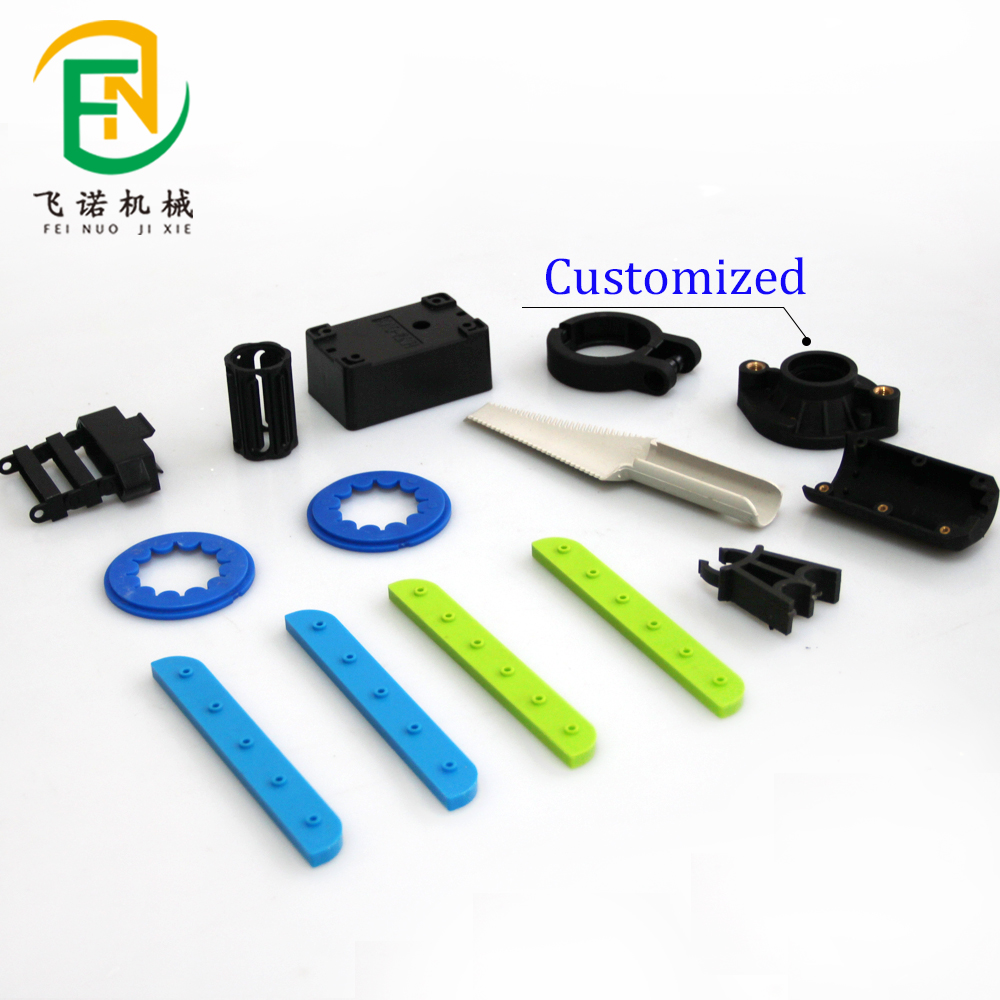
Future Trends in Injection Molded Part Technology
The future of injection molded part is being shaped by technological innovations. Manufacturers are adopting bio-based and recycled materials to promote sustainability. Micro molding allows the production of ultra-small, high-precision components for medical and electronic applications. Automation and AI-driven quality control systems are enhancing process monitoring and defect detection. In addition, 3D printing is increasingly being used to create prototype molds, reducing lead time and cost. These advancements promise greater flexibility, efficiency, and environmental responsibility in the years ahead.
Conclusion
Injection molded part remains one of the most versatile and efficient solutions for producing high-quality plastic components. By understanding material selection, design principles, mold engineering, and emerging trends, professionals can make informed decisions that enhance both product performance and cost efficiency. Whether you are designing a new product or improving an existing one, mastering these essential insights will help you fully leverage the power of injection molding in modern manufacturing.