
- October 22, 2025
- Posted by: feinuojixie
- Category: Injection Molding News
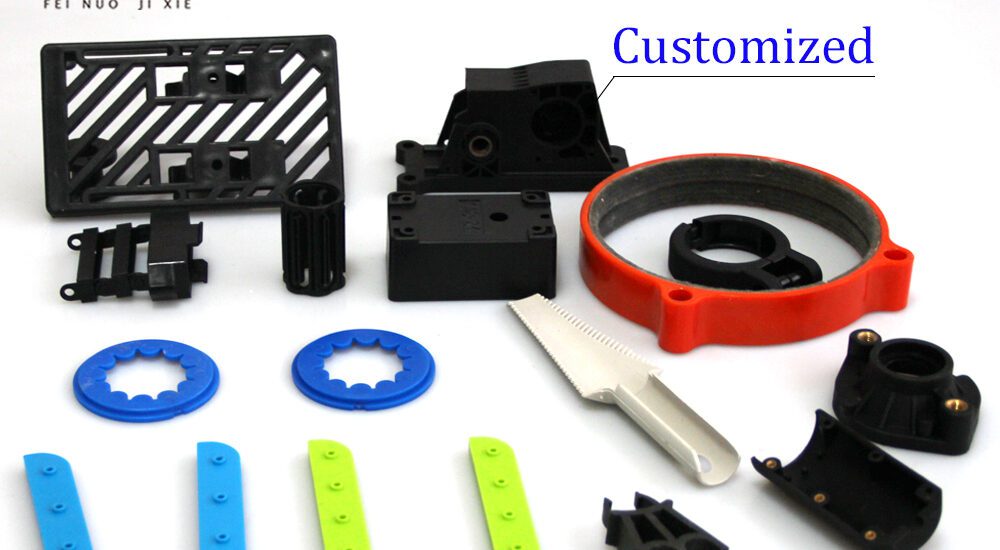
In the fast-paced world of modern manufacturing, few technologies have reshaped production as profoundly as the injection molded part. This method, once limited to small-scale plastic components, has evolved into a cornerstone of industries ranging from automotive to medical devices. Its ability to deliver high precision, speed, and cost-effectiveness has made it indispensable in today’s competitive market. Whether it’s a smartphone casing, a car dashboard, or a medical syringe, injection molded part plays a key role in bringing these everyday products to life.
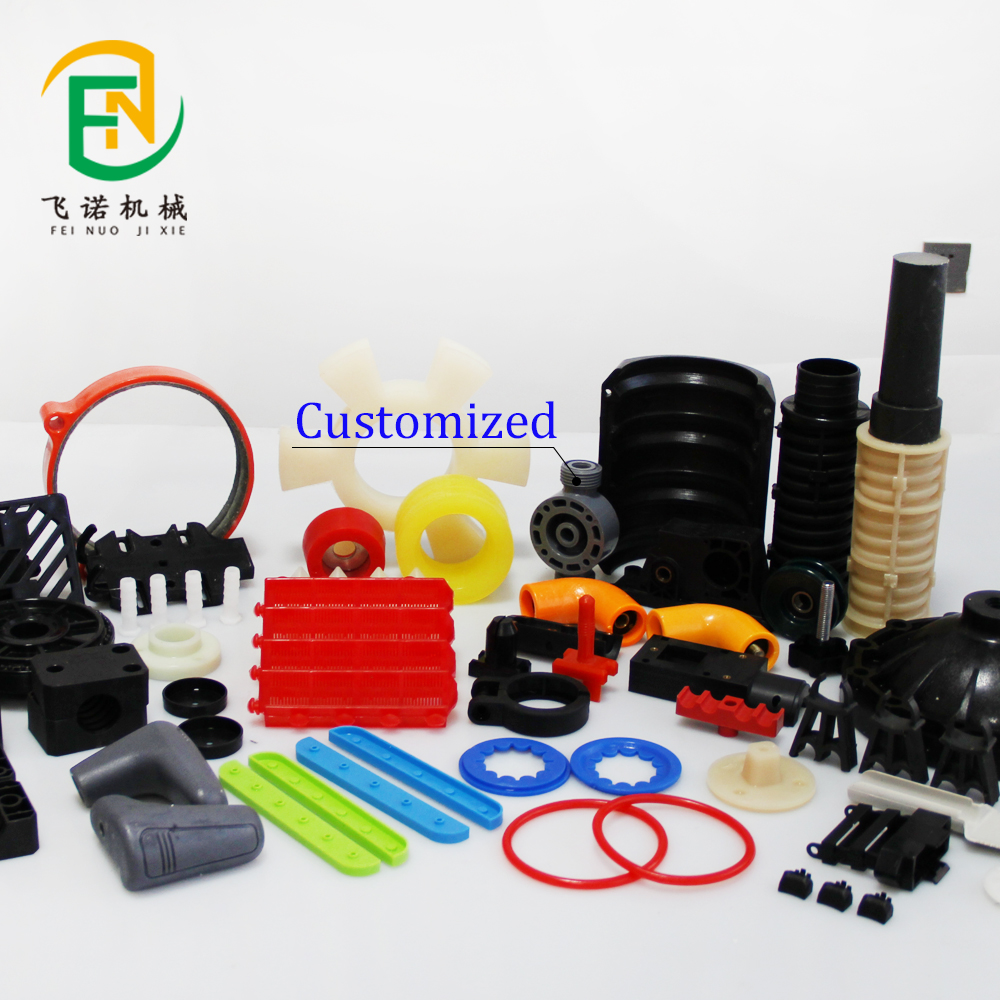
Injection Molded Part Enables High Production Efficiency
One of the greatest advantages of injection molding is its remarkable production efficiency. Once the mold is built, thousands—or even millions—of parts can be produced quickly and accurately. The automated nature of the process reduces labor requirements while ensuring consistent output around the clock. This level of efficiency makes injection molding particularly attractive for industries that rely on large-scale manufacturing, where every second and every penny count. The short cycle times and high repeatability make it one of the fastest ways to produce identical components at scale.
Injection Molded Part Delivers Consistent Quality and Precision
Consistency and precision are two factors that set injection molding apart from other production methods. Each part produced from the same mold is virtually identical, ensuring product uniformity across entire production runs. This precision is vital in applications where accuracy is non-negotiable, such as in electronics or medical equipment. Advanced computer-controlled machines monitor every aspect of the process—temperature, pressure, and cooling—to maintain exact specifications. The result is a flawless, repeatable outcome that enhances product reliability and performance.
Injection Molded Part Offers Cost-Effective Manufacturing Solutions
Although the initial cost of mold creation can be significant, the long-term savings are undeniable. Once the tooling is completed, each subsequent part can be manufactured at a minimal cost. The injection molding process also minimizes material waste, as excess plastic can often be recycled and reused in future runs. Combined with high-speed production, these factors make injection molding one of the most cost-efficient methods available for high-volume manufacturing. Over time, businesses benefit from lower per-unit costs, helping them stay competitive in price-sensitive markets.
Injection Molded Part Supports a Wide Range of Material Options
Another reason injection molded part dominates modern manufacturing lies in its incredible material versatility. Manufacturers can choose from a vast range of plastics—each offering unique benefits in terms of strength, flexibility, chemical resistance, and temperature tolerance. From durable ABS and polypropylene to advanced engineering plastics like PEEK or nylon, the material options allow customization for nearly any application. This flexibility ensures that injection molding remains relevant across diverse sectors—from consumer products to aerospace components.
Injection Molded Part Allows Complex Design and Geometry
Modern injection molding technology enables designers to create intricate shapes, fine details, and functional geometries that were once impossible with traditional methods. This freedom allows engineers to innovate and optimize parts for both performance and aesthetics. With computer-aided design (CAD) and advanced mold-making techniques, even the most complex features—like internal threads, thin walls, or multi-material integration—can be produced with ease. As a result, manufacturers can achieve superior functionality without sacrificing efficiency or quality.
Injection Molded Part Promotes Lightweight and Durable Products
In industries like automotive and aerospace, the demand for lightweight yet durable components has never been greater. Injection molded part meets this demand perfectly. High-performance plastics can replace heavier metals without compromising structural integrity or resilience. The reduction in weight improves fuel efficiency, lowers transportation costs, and enhances overall performance. At the same time, the durability of modern polymers ensures long-lasting use, even under demanding conditions.
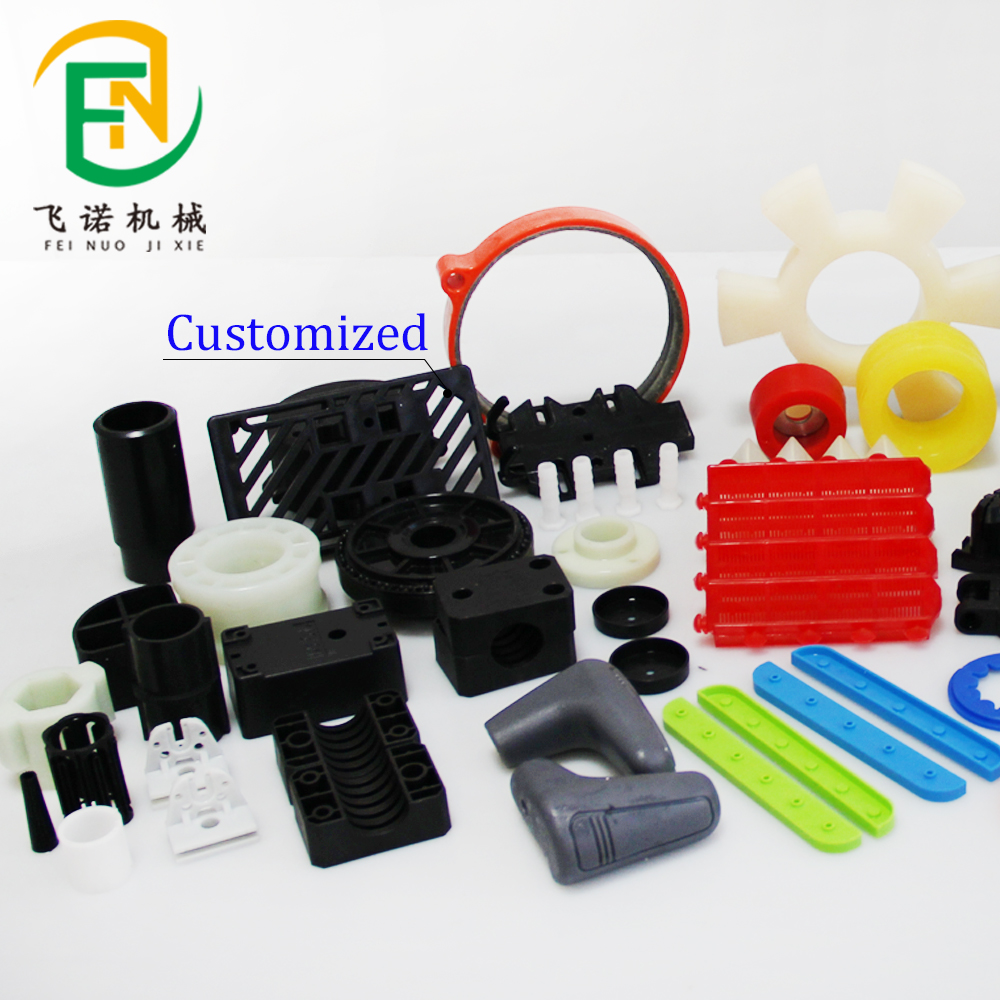
Injection Molded Part Contributes to Sustainability and Waste Reduction
Sustainability is a growing priority in manufacturing, and injection molding aligns well with this goal. Many thermoplastics used in the process can be recycled multiple times, reducing the need for virgin materials. The precise control of injection molding minimizes waste, while energy-efficient machinery further cuts down on resource consumption. In addition, the durability of plastic parts extends product life cycles, reducing overall material turnover. Together, these factors make injection molding a responsible and eco-conscious manufacturing choice.
Conclusion
From speed and precision to versatility and sustainability, injection molded part embodies the principles of modern manufacturing excellence. Its unmatched ability to combine efficiency with innovation continues to drive progress across countless industries. As technology advances, injection molding will only become more refined—helping manufacturers push the boundaries of what’s possible while maintaining cost control and environmental responsibility. In many ways, the injection molded part doesn’t just dominate modern manufacturing—it defines it.