
- October 23, 2025
- Posted by: feinuojixie
- Category: Chain Guides News

Ordering an injection molded part might seem straightforward, but in reality, it’s one of the most critical steps in the entire production process. A small oversight—like unclear specifications or material mismatches—can lead to major setbacks once manufacturing begins. When companies fail to prepare properly, they often face costly reworks, poor-quality parts, or production delays that hurt profitability.
The key to avoiding these pitfalls lies in understanding the process and communicating effectively with your injection molding partner. This guide explores the most common mistakes buyers make when ordering injection molded part and how to prevent them to ensure smoother production, better results, and stronger business outcomes.
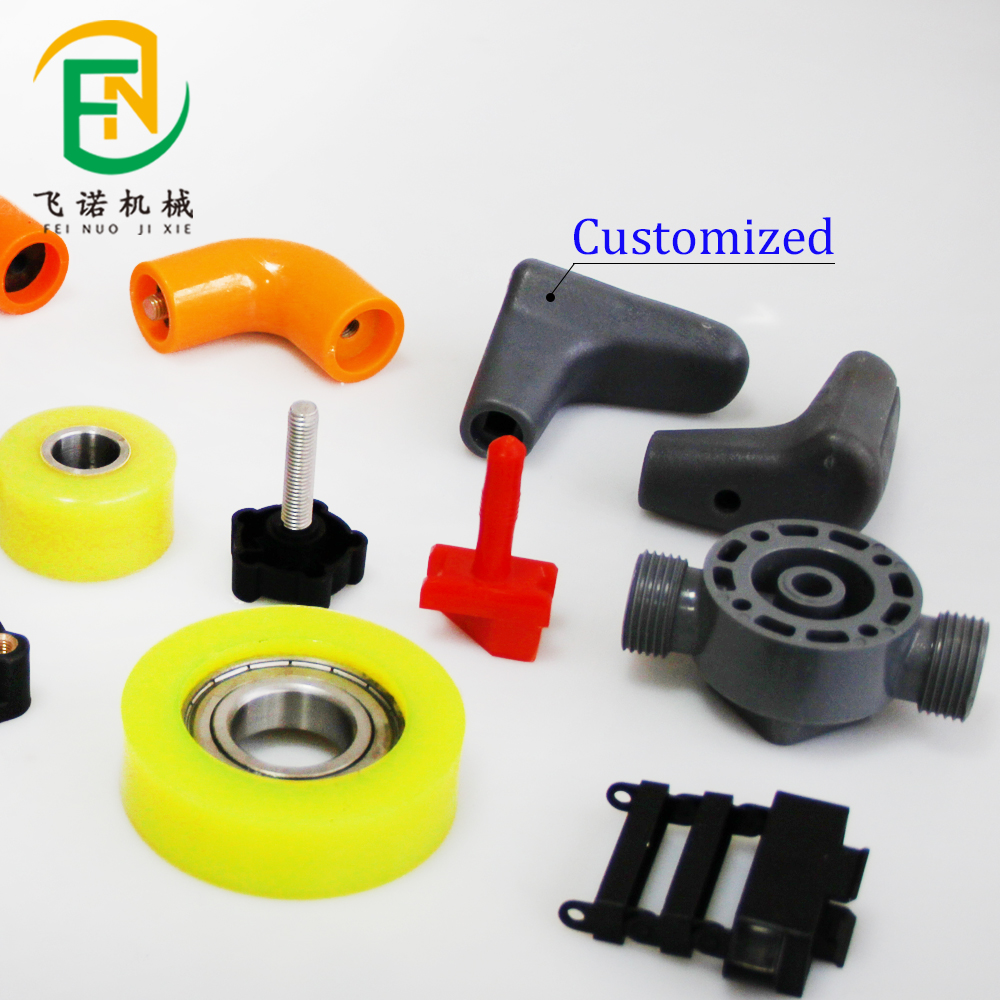
Understanding Injection Molded Part Requirements Before Ordering
Before placing an order for an injection molded part, it’s essential to start with clarity. Many issues in production stem from a lack of defined requirements. Each part serves a specific function—some need high impact strength, others must endure high temperatures or maintain tight tolerances. Without knowing these factors, the design and material selection can easily go off track.
You should begin by analyzing the part’s end-use environment, expected load, and aesthetic requirements. Communicate these needs clearly to your injection molding supplier. The more detailed your specifications are, the better the final product will meet your expectations. Early planning reduces the need for costly modifications later and ensures the mold design aligns with your performance goals.
Mistake #1: Ignoring Design for Manufacturability (DFM) Principles
One of the most common and expensive mistakes is overlooking DFM during the design stage. Designers often create parts that look perfect on screen but are difficult or even impossible to mold effectively. Thin walls, sharp corners, and inconsistent thickness can lead to warping, short shots, or sink marks.
Working closely with experienced mold engineers during the design phase helps identify and correct these issues early. Applying DFM principles—like maintaining uniform wall thickness, adding draft angles, and avoiding undercuts—ensures smoother mold filling and consistent quality. A design that’s both functional and moldable will save you time, money, and frustration down the road.
Mistake #2: Choosing the Wrong Material for Injection Molded Part
Material selection is more than just picking a type of plastic. Each resin has unique characteristics that affect durability, flexibility, and temperature resistance. A part that works perfectly indoors may fail outdoors due to UV exposure or temperature swings if the wrong material is chosen.
Cost often drives decision-making, but choosing a cheaper material without considering performance requirements can lead to failures in use. For example, ABS might be cost-effective but may not withstand high impact like polycarbonate. Consult your supplier about mechanical, thermal, and chemical resistance properties before finalizing the material. The right choice ensures your part performs reliably in real-world conditions.
Mistake #3: Overlooking Tolerances and Dimensional Accuracy
Tolerances define how much variation is acceptable in part dimensions. Many buyers make the mistake of specifying overly tight tolerances without understanding the impact on production cost. Precision molds require more machining time, and maintaining those tolerances in large runs increases cycle times and scrap rates.
Instead, balance accuracy with practicality. Define tight tolerances only where necessary for fit or function and allow flexibility elsewhere. Collaborating with your injection molding engineer helps determine achievable tolerances based on material shrinkage, mold design, and part geometry. This approach maintains quality while keeping costs under control.
Mistake #4: Failing to Validate Mold Design Before Production
Skipping mold validation steps is another mistake that can lead to major issues once full production begins. Mold flow analysis, prototype testing, and pre-production trials help predict and correct problems such as air traps, weld lines, or uneven filling.
Some buyers skip these steps to save time or reduce upfront costs, but this decision often results in expensive rework later. Validating your mold design ensures the tooling performs as expected and that the parts meet your specifications. Think of it as a critical quality checkpoint before large-scale manufacturing.
Mistake #5: Not Considering Production Volume in Mold Choice
Not all molds are created equal, and choosing the wrong type can severely impact your budget and efficiency. Prototype molds, often made from aluminum, are suitable for short runs and testing. Production molds, typically made from hardened steel, are designed for long-term, high-volume use.
If you underestimate your production volume, you might choose a prototype mold that wears out quickly, requiring replacements or repairs mid-project. On the other hand, investing in a full production mold for a small batch may not be cost-effective. Always estimate your long-term production needs and select the appropriate tooling to match your manufacturing strategy.
Mistake #6: Neglecting Communication with the Injection Molding Supplier
Clear communication between you and your supplier can make or break a project. Misunderstandings about design files, material grades, or color specifications can delay production and result in parts that don’t meet expectations.
Provide your supplier with detailed 3D models, drawings, and notes about special requirements. Establish communication checkpoints for design approval, mold testing, and sample review. A reliable supplier should also keep you informed about progress, timelines, and any potential challenges. Consistent collaboration ensures that everyone stays aligned from start to finish.
Mistake #7: Overlooking Quality Control and Inspection Plans
Even the best-designed parts can fail if quality control is neglected. Many buyers assume that once the mold is approved, every part will automatically meet the same standards. In reality, factors like temperature variation, machine calibration, and resin lot differences can affect consistency.
Implementing a quality inspection plan—including dimensional checks, surface inspection, and performance testing—is vital. Define acceptance criteria and sampling rates with your supplier to maintain consistent quality throughout production. Regular audits and documentation help ensure that no defective part slips through to your customers.
Mistake #8: Focusing Only on Price Instead of Total Value
Price is an important factor, but focusing solely on cost can be misleading. The lowest quote may come from a supplier cutting corners on materials, quality checks, or delivery reliability. What seems like a bargain at first can lead to poor-quality parts, rejected batches, or frequent delays—all of which add to your overall cost.
A better approach is to evaluate total value, including supplier expertise, customer service, material quality, and production capacity. A slightly higher upfront cost often pays off through reduced waste, fewer delays, and longer-lasting parts. Think long-term rather than short-term savings.
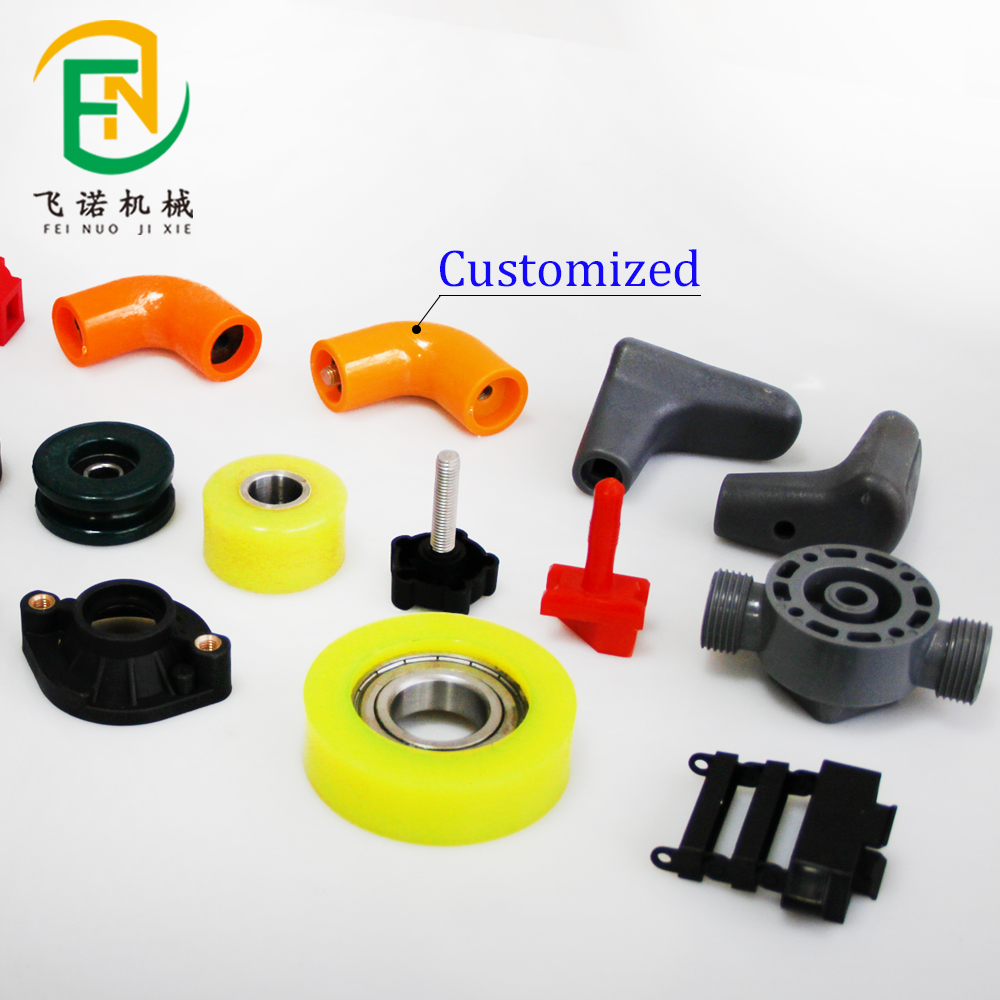
Mistake #9: Ignoring Post-Processing and Assembly Requirements
Injection molded part often require additional steps such as trimming, painting, plating, or assembly. If these post-processing needs aren’t planned early, you may encounter fitment issues or surface finish problems later.
Coordinate with your supplier about how the part will be finished and assembled. For example, painting requires specific surface textures, while overmolding demands compatible materials. Considering these factors upfront ensures smoother downstream operations and avoids unnecessary rework.
Smart Ordering Means Long-Term Success
Avoiding common mistakes when ordering an injection molded part is about foresight and collaboration. By defining clear requirements, respecting DFM principles, validating mold design, and communicating closely with your supplier, you can dramatically improve your project’s success rate.
A well-planned approach not only saves time and money but also ensures that your parts meet performance and quality standards consistently. Whether you’re producing a small prototype or a large-scale product line, smart ordering decisions pave the way for long-term reliability, customer satisfaction, and manufacturing efficiency.