
- October 27, 2025
- Posted by: feinuojixie
- Category: Injection Molding News
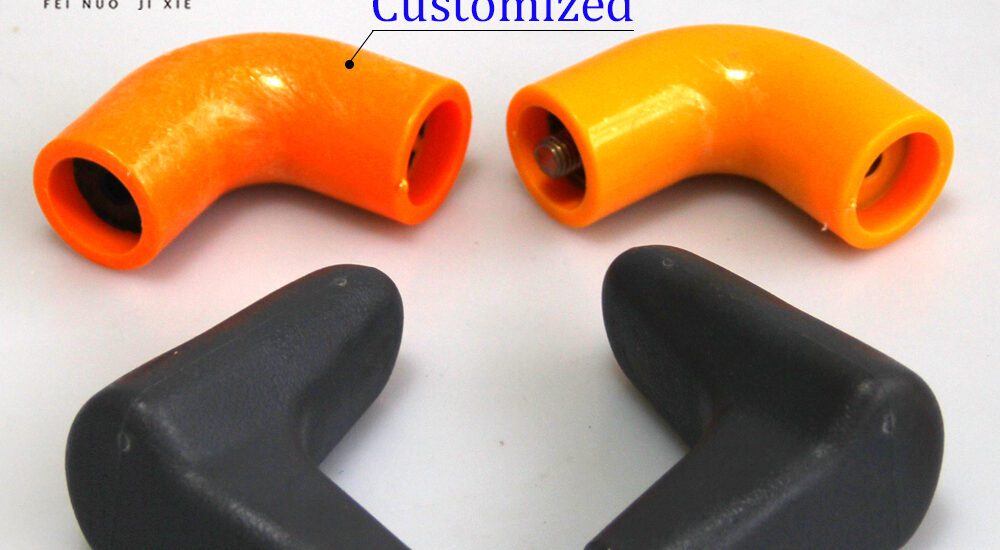
In the world of modern manufacturing, few technologies have had as significant an impact as injection molding. From automotive components to medical devices and consumer electronics, injection molded part has become an essential foundation of product development and mass production. The ability to produce complex shapes with exceptional accuracy, speed, and cost efficiency has made this process the go-to solution for countless industries.
Understanding injection molded part goes beyond knowing how they are made—it involves exploring the materials that define their strength and flexibility, the processes that shape their quality, and the performance standards that determine their success in real-world applications. Whether you’re a product designer, engineer, or manufacturer, mastering these elements is key to creating reliable, high-performance parts that meet both functional and aesthetic demands.
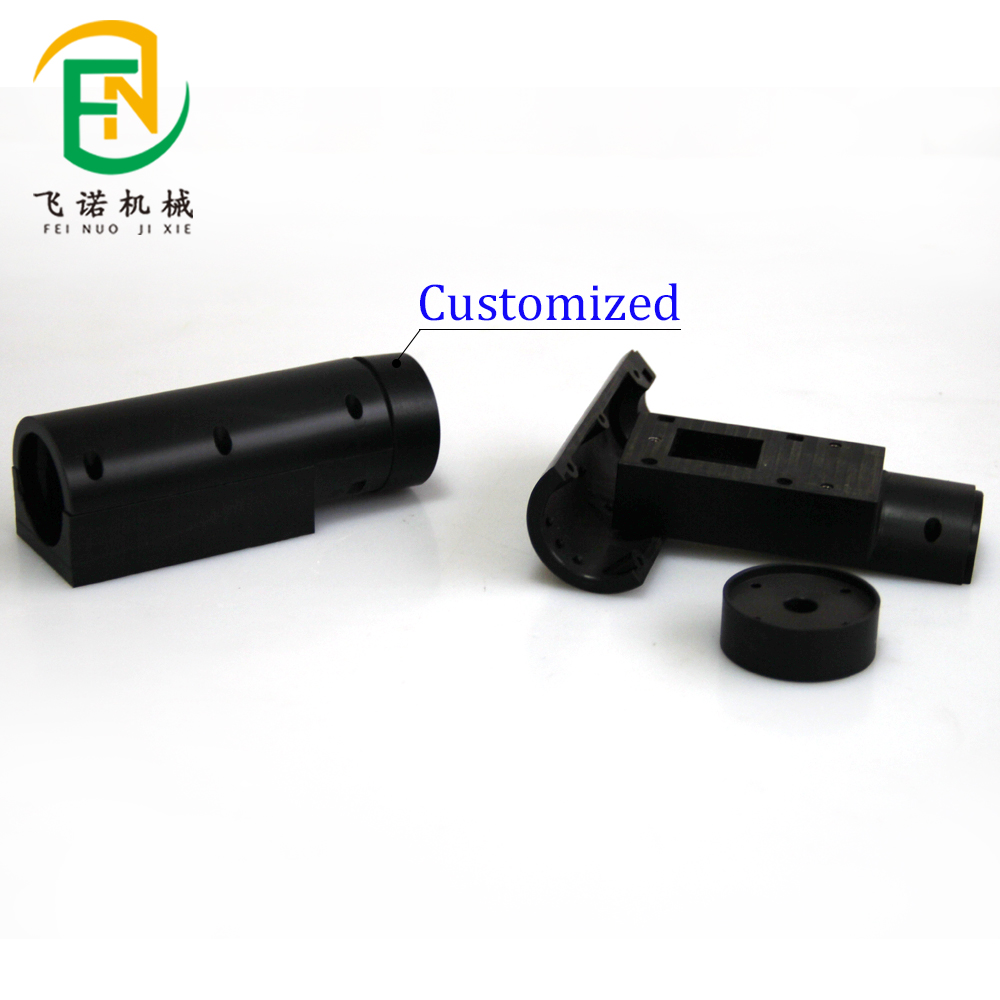
The Basics of Injection Molded Part: How It Works
Injection molding is one of the most versatile and efficient manufacturing methods for producing plastic components with precise dimensions and repeatable quality. Understanding how the process works is fundamental to creating high-performance injection molded part.
The Injection Molding Principle Explained
At its core, injection molding involves melting thermoplastic pellets and injecting the molten material into a metal mold cavity under high pressure. Once the material cools and solidifies, the mold opens, and the finished part is ejected. This highly controlled process allows manufacturers to produce parts with tight tolerances, intricate geometries, and smooth surface finishes—all while maintaining fast production cycles.
Key Components of the Injection Molding System
The injection molding machine is made up of several critical units:
-
Injection unit – responsible for melting and injecting the plastic into the mold.
-
Clamping unit – holds the mold closed during the injection and cooling phases.
-
Mold cavity – defines the shape of the final part and determines its surface texture.
-
Cooling system – regulates temperature to ensure consistent part quality and prevent warping.
Each component plays a vital role in ensuring precision, cycle time efficiency, and dimensional stability.
Common Applications of Injection Molded Part Across Industries
Injection molded part can be found in nearly every industry. In automotive manufacturing, they are used for dashboards, bumpers, and interior trim. In electronics, they form durable casings for phones, laptops, and home appliances. The medical field relies on injection molded components for syringes, housings, and precision instruments. Their adaptability, affordability, and scalability make them indispensable across sectors.
Choosing the Right Material for Injection Molded Part
Selecting the proper material is one of the most important decisions in the injection molding process, as it directly impacts durability, flexibility, and performance.
Thermoplastics: The Backbone of Injection Molding
Thermoplastics are the primary materials used in injection molding due to their ability to melt and solidify repeatedly without losing structural integrity. This recyclability, combined with a wide range of mechanical properties, makes them ideal for applications from lightweight packaging to heavy-duty components.
Commonly Used Plastic Materials and Their Properties
Each type of plastic offers unique benefits:
-
ABS (Acrylonitrile Butadiene Styrene): Strong, rigid, and impact-resistant—perfect for automotive and consumer goods.
-
Polycarbonate (PC): Known for its clarity and strength, often used in lenses and protective covers.
-
Nylon (PA): Offers high wear resistance and flexibility, ideal for gears and mechanical parts.
-
Polypropylene (PP): Lightweight and chemically resistant, commonly used for medical and food containers.
Choosing the right material depends on the balance between mechanical strength, cost, appearance, and environmental conditions.
How Material Selection Affects Part Performance
The chosen material influences more than just appearance—it affects performance, longevity, and user satisfaction. For instance, selecting a heat-resistant resin is critical for parts exposed to high temperatures, while impact-resistant plastics are necessary for mechanical stress applications. Proper material choice ensures the part performs reliably throughout its intended life cycle.
The Injection Molding Process: Step-by-Step Breakdown
A deep understanding of each stage of the injection molding process helps manufacturers achieve consistent, high-quality results.
Designing for Injection Molding Success
Design is the foundation of every successful injection molded part. Proper wall thickness, draft angles, and rib structures prevent defects and ensure smooth ejection. Engineers must also consider gate placement and flow paths to minimize weld lines and air traps.
From Mold Fabrication to Production Setup
The mold itself is a significant investment and plays a key role in part quality. Precision mold fabrication using steel or aluminum ensures durability and repeatability. During setup, parameters such as temperature, pressure, and cycle time are fine-tuned to achieve optimal performance.
Injection, Cooling, and Ejection: The Core Stages of Molding
-
Injection: Molten plastic is forced into the mold cavity under high pressure.
-
Cooling: The plastic solidifies as the cooling system circulates water or oil to maintain consistent temperature.
-
Ejection: Once solidified, the part is ejected from the mold using ejector pins.
Precise control over each stage ensures uniformity, reduces defects, and improves overall efficiency.
Performance Optimization of Injection Molded Part
Ensuring that an injection molded part performs as intended requires careful control of both design and process parameters.
Critical Factors That Influence Performance
Several variables can affect the final product’s strength, precision, and appearance. Key factors include mold temperature, injection pressure, cooling time, and material moisture levels. Monitoring and optimizing these parameters lead to improved mechanical performance and dimensional accuracy.
Quality Control and Testing Methods
To maintain consistency, manufacturers perform various tests such as tensile strength testing, dimensional measurement, and surface inspection. Advanced techniques like X-ray and ultrasonic testing help detect internal defects without damaging the part. Maintaining strict quality standards guarantees that every component meets industry requirements.
Reducing Defects and Improving Surface Finish
Common defects such as warping, flash, sink marks, and voids can be minimized through proper mold design and process adjustment. For example, consistent cooling prevents warping, while optimizing injection speed helps eliminate short shots. Additionally, polishing and texturing techniques enhance surface finish, ensuring aesthetic appeal and functionality.
Advanced Trends in Injection Molded Part Manufacturing
The injection molding industry is continuously evolving with innovations in materials, sustainability, and automation.
Sustainable Materials and Eco-Friendly Production
Environmental responsibility is now a core focus. Manufacturers are increasingly adopting biodegradable plastics, recycled resins, and energy-efficient machinery. By reducing material waste and using renewable resources, injection molding is becoming more sustainable without compromising quality.
Smart Molding and Industry 4.0 Integration
The rise of Industry 4.0 has transformed traditional molding. Smart sensors and data-driven monitoring systems enable real-time adjustments, reducing downtime and material waste. Predictive maintenance and AI-driven process control enhance both efficiency and reliability.
Large Part Molding and Lightweight Design Innovations
Recent advances allow for the production of larger parts with optimized weight and strength. Techniques such as gas-assisted molding and foam injection help reduce material use while maintaining rigidity. These innovations are particularly valuable in automotive and aerospace applications, where strength-to-weight ratio is critical.
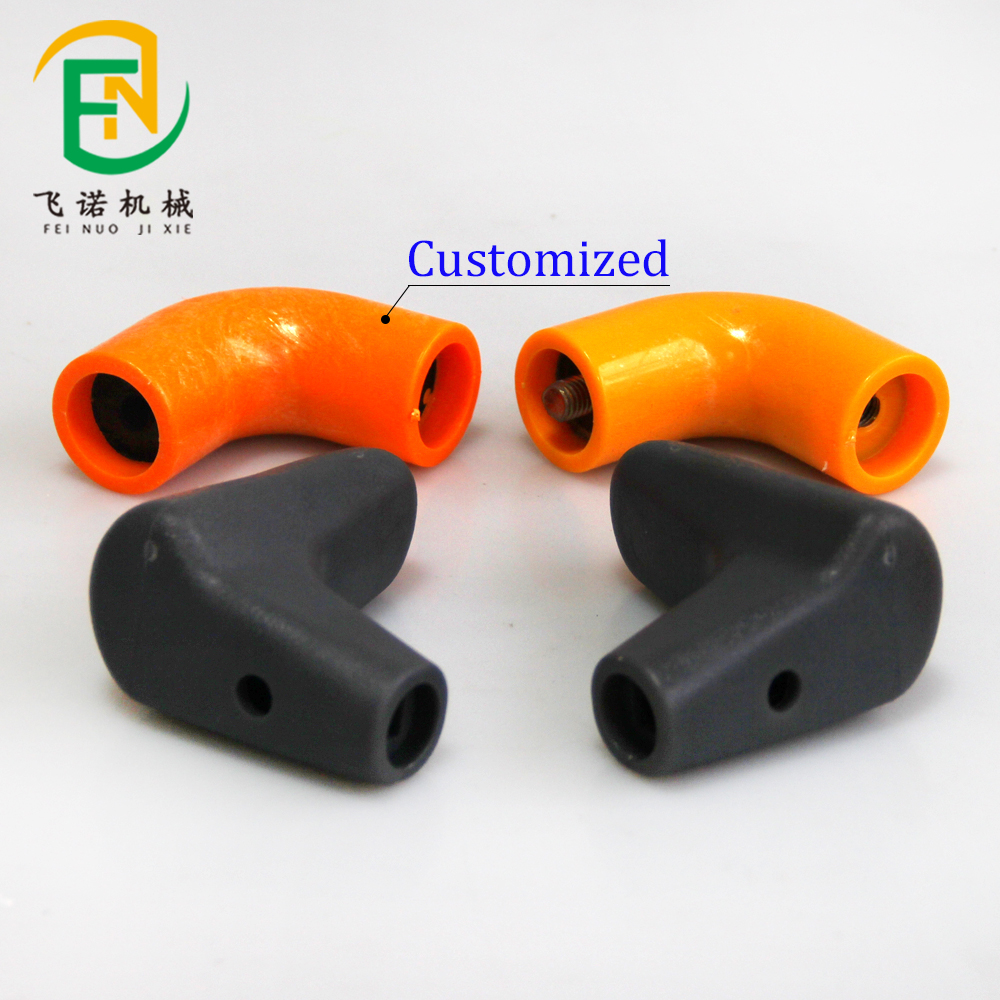
Building a Future with Better Injection Molded Part
Injection molded part represents the perfect combination of engineering precision, material science, and manufacturing efficiency. By understanding the intricate relationship between materials, processes, and performance, manufacturers can create components that are stronger, lighter, and more cost-effective than ever before.
As industries continue to push the boundaries of design and sustainability, injection molding remains at the forefront of innovation—delivering solutions that power everything from daily consumer goods to advanced medical and industrial technologies. Mastering the art and science of injection molded part is not just about manufacturing—it’s about shaping the future of modern production.