
- October 27, 2025
- Posted by: feinuojixie
- Category: Injection Molding News
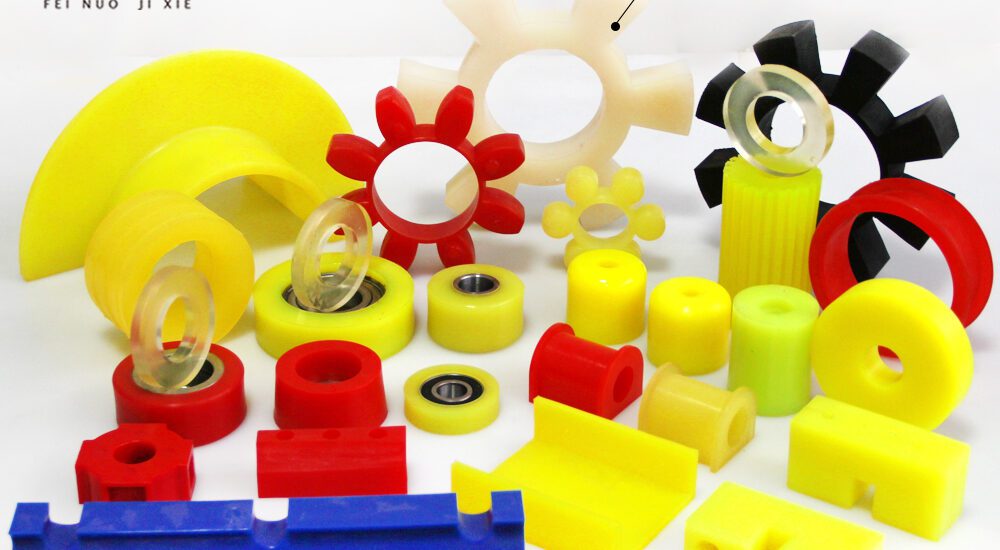
Injection molding mold parts are the heart of plastic manufacturing, defining the shape, texture, and precision of every molded component. These parts serve as the critical interface between molten plastic and the final product, determining not only form but also performance and consistency. For manufacturers and engineers alike, understanding how mold parts are designed, produced, and maintained is essential to ensuring efficient production and superior product quality.
This comprehensive guide explores every stage of the journey—from concept and design to material selection, fabrication, and long-term maintenance. Whether you are new to injection molding or looking to refine your process, mastering the fundamentals of mold parts is the key to achieving precision, durability, and cost-effective results.
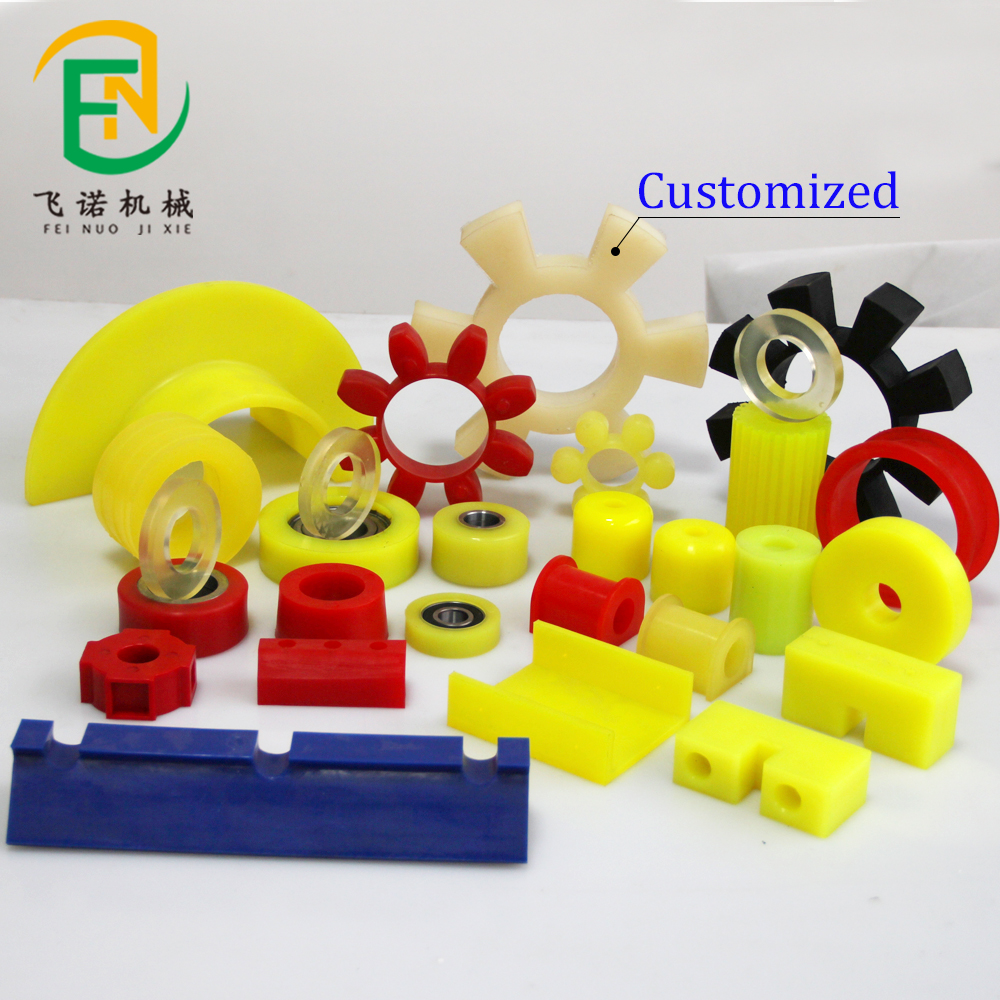
Understanding Injection Molding Mold Parts
Injection molding mold parts are the precision-engineered components that make up the core of a molding system. Their main purpose is to shape molten plastic into specific forms under high pressure and temperature. Each mold part must be crafted with extreme accuracy because even the smallest defect can affect the dimensional accuracy and surface quality of the final product.
The key components include the core and cavity, which define the internal and external geometry of the molded item. Ejector pins ensure smooth part removal, while cooling channels regulate mold temperature to enhance production speed and product consistency. Every mold part works in harmony to maintain precision and reduce cycle time, making their quality and alignment critical to successful molding operations.
High-quality mold parts deliver consistent performance and extend the lifespan of the mold. Poorly designed or worn components can lead to defects such as warping, flashing, or incomplete filling. Therefore, investing in durable materials, precise machining, and accurate assembly ensures that the injection molding process remains stable and cost-efficient.
Designing Efficient Injection Molding Mold Parts
Design is the foundation of every successful mold. Well-designed injection molding mold parts not only enhance production efficiency but also improve the quality and durability of molded components.
When designing a mold, engineers must consider draft angles, wall thickness, and parting line placement. Proper draft angles help with easy part ejection, while uniform wall thickness prevents warping and sink marks. Strategic parting line placement minimizes visible seams and ensures better aesthetics. The gating system—which controls how molten plastic enters the mold—is also critical for maintaining balanced flow and reducing stress.
Modern design relies heavily on CAD and simulation tools. Software allows engineers to visualize plastic flow, predict cooling behavior, and identify potential issues before manufacturing begins. This step reduces costly revisions and optimizes mold performance.
Prototyping and testing are equally essential. Rapid prototyping methods, such as 3D printing, allow teams to test designs in real conditions before committing to final steel molds. Through trial molds, engineers can refine details and ensure that every element performs perfectly once in production.
Material Selection for Injection Molding Mold Parts
Choosing the right material for injection molding mold parts is a critical decision that directly impacts performance, cost, and longevity. The mold must withstand high pressure, heat, and friction throughout its production life, making material durability and thermal properties key considerations.
Common materials include tool steels such as P20, H13, and S136. These steels offer excellent strength, wear resistance, and polishability. Aluminum molds, while less durable, are often chosen for low-volume production due to their light weight and excellent heat conductivity. Copper alloys are used in areas requiring rapid heat transfer, enhancing cooling efficiency and reducing cycle times.
Material compatibility with plastics is another important factor. For example, corrosive resins or those containing glass fibers may require stainless or hardened steel to prevent degradation. Engineers must also balance cost versus durability—a higher upfront investment in robust materials can lead to significant savings over time by minimizing downtime and extending mold life.
Manufacturing Process of Injection Molding Mold Parts
The manufacturing process of injection molding mold parts demands exceptional precision and craftsmanship. Every step must meet strict tolerances to ensure parts fit perfectly and function reliably under pressure.
Precision machining techniques such as CNC milling, EDM (Electrical Discharge Machining), and grinding are used to create detailed geometries and smooth surfaces. CNC machining ensures dimensional accuracy, while EDM is ideal for forming intricate cavities that traditional methods cannot achieve.
Once machined, mold parts undergo surface finishing and polishing. A smooth surface ensures better part ejection and an improved appearance of molded products. Texturing may also be applied to create specific visual or functional effects.
Next comes assembly and fitting, where all mold components—core, cavity, ejectors, cooling channels—are precisely aligned to ensure perfect operation. Even the slightest misalignment can cause flash or incomplete filling during molding.
Finally, quality control and inspection are performed using tools like coordinate measuring machines (CMMs) and optical comparators to verify dimensional accuracy. This meticulous process guarantees that the mold performs consistently in high-speed production environments.
Maintaining and Extending the Life of Injection Molding Mold Parts
Even the best-designed molds require regular maintenance to ensure continuous performance and prevent costly breakdowns. Proper care can extend the life of injection molding mold parts by years and preserve their precision.
Routine maintenance includes cleaning, lubrication, and inspection after each production cycle. Removing residue, checking for wear, and applying protective coatings prevent corrosion and build-up that could affect part quality.
When problems occur, troubleshooting is essential. Common issues such as flash, short shots, or poor surface finish often point to problems in the mold’s alignment, temperature control, or venting. Addressing these early prevents long-term damage and production delays.
Over time, components such as ejector pins or cores may wear out. Instead of replacing the entire mold, upgrading or refurbishing individual mold parts can restore performance and extend service life at a fraction of the cost. Regular maintenance schedules, combined with detailed record-keeping, ensure each mold remains in optimal condition for consistent, high-quality output.
Future Trends in Injection Molding Mold Parts
The world of injection molding mold parts is evolving rapidly with advancements in materials, automation, and digital technology. Manufacturers are increasingly turning to smart mold systems equipped with sensors that monitor temperature, pressure, and wear in real time. This data-driven approach allows predictive maintenance and reduces downtime.
Sustainable mold design is another emerging trend. Engineers are developing eco-friendly solutions by using recyclable materials and optimizing cooling systems to minimize energy consumption. These innovations align with the global push toward greener manufacturing practices.
The rise of automation and digital integration is transforming how molds are built and maintained. Robotics, AI-assisted design, and Industry 4.0 technologies streamline production and inspection, increasing efficiency and precision. In the future, molds will not only produce parts but also communicate performance data, allowing manufacturers to make faster, smarter decisions.
Conclusion
Injection molding mold parts are the foundation of precision manufacturing. From design and material selection to machining and maintenance, every detail plays a role in shaping product quality and production efficiency. By mastering the design process, choosing the right materials, and implementing strong maintenance practices, manufacturers can achieve consistent results and reduce long-term costs.
As technology continues to advance, the future of injection molding mold parts promises even greater precision, sustainability, and intelligence. Understanding these essential components today is the first step toward building the next generation of innovative and cost-effective molded products.