
- October 27, 2025
- Posted by: feinuojixie
- Category: Injection Molding News
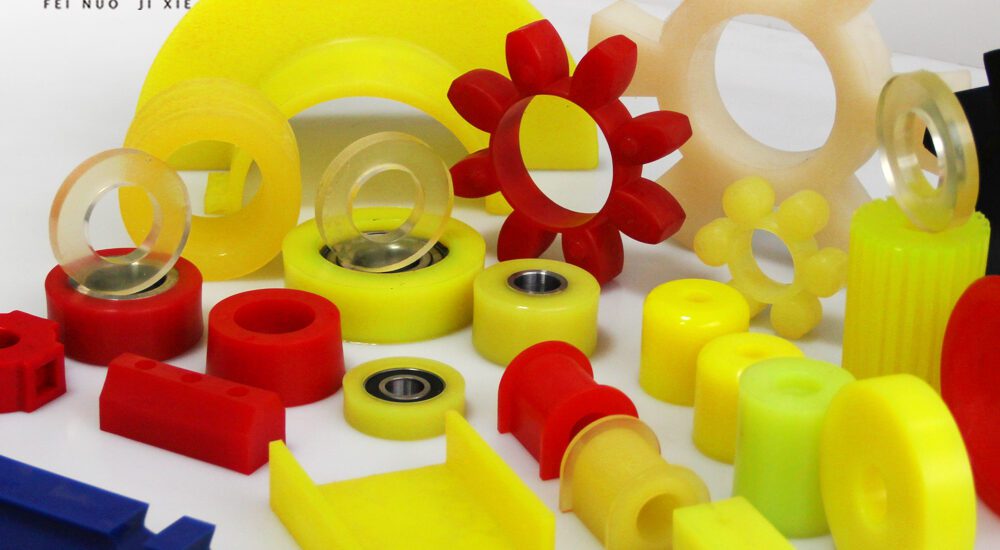
In the fast-paced world of modern manufacturing, it’s easy to overlook the silent contributors that make precision and efficiency possible. Among these, injection molding mold parts play a critical yet often underestimated role. These components are the foundation of every injection molding process, shaping how plastics are formed, cooled, and ejected with precision. While they may seem like simple mechanical elements, the truth is that their quality can make or break the performance of the entire production line. From ensuring product accuracy to maximizing mold longevity, high-quality mold parts are the unsung heroes behind every flawless plastic component. Understanding their importance is not just a technical concern—it’s a strategic decision that affects cost, efficiency, and product reputation.
The Role of Injection Molding Mold Parts in the Manufacturing Process
Every molded product begins with a well-engineered mold, and the quality of its parts determines how efficiently and accurately production runs. Injection molding mold parts such as cores, cavities, ejector pins, and sliders all contribute to forming the final shape of the plastic product. When these parts are manufactured with high precision, the end results are consistent, smooth, and within tight dimensional tolerances.
How Mold Parts Define the Final Product
Each mold component directly influences the outcome of the molded product. Even the slightest imperfection in the cavity surface can lead to visible flaws or dimensional inconsistencies. High-quality mold parts ensure proper material flow, balanced pressure distribution, and uniform cooling. This precision translates into finished products with superior surface finish and reduced defect rates—critical factors in industries such as automotive, medical, and electronics manufacturing.
The Importance of Tooling Accuracy
Tooling accuracy is the heartbeat of any injection molding operation. Precision machining ensures that every mold part fits perfectly within the assembly, preventing material leakage, flash, or warping. Tight tolerances also help maintain shorter cycle times, as the mold can operate reliably at high speeds without misalignment or wear-related issues. A high-quality mold part, therefore, not only improves the quality of the product but also enhances operational efficiency and consistency.
What Makes an Injection Molding Mold Part “High-Quality”
Not all mold parts are created equal. The difference between average and exceptional performance often lies in the material selection, machining precision, and design details that go into each part.
Material Selection and Durability
The foundation of a high-quality mold part starts with its material. Premium tool steels, such as H13 or S136, are commonly used for their hardness, corrosion resistance, and thermal stability. Heat treatment and surface coatings like PVD or nitriding can further extend the life of the mold by reducing friction and wear. Durable materials withstand repeated injection cycles, high pressures, and temperature fluctuations without deformation.
Machining Precision and Fit
Advanced CNC machining and EDM technologies enable manufacturers to produce parts with micron-level accuracy. Polishing, grinding, and surface finishing enhance not only the part’s appearance but also its functionality, ensuring smooth material flow within the mold cavity. Proper alignment and fitting of every component eliminate issues such as flash or uneven wall thickness, both of which can compromise product quality.
Design and Maintenance Compatibility
A well-designed mold part is also easy to assemble, disassemble, and maintain. High-quality designs take into account future wear and allow for part replacement without retooling the entire mold. Features like standardized inserts and modular components simplify repairs and reduce downtime—key advantages in high-volume production environments.
The Cost of Low-Quality Mold Parts
Cutting corners in mold part quality often leads to long-term headaches that far outweigh the initial savings.
Frequent Downtime and Repair Costs
Low-quality injection molding mold parts wear out faster, leading to more frequent maintenance and production stoppages. These unplanned interruptions not only delay orders but also increase labor and repair expenses.
Inconsistent Product Output
When parts inside a mold don’t fit precisely, the result is inconsistent production. Defects such as warping, flash, or incomplete filling become common, forcing manufacturers to scrap or rework products. Over time, this inconsistency erodes profitability and damages a company’s reputation.
Hidden Long-Term Expenses
The initial cost of a cheaper mold part may seem appealing, but its short lifespan and poor reliability create higher operational costs. Frequent replacements, quality control failures, and longer cycle times all contribute to higher total expenses over the life of the mold.
Benefits of Investing in High-Quality Injection Molding Mold Parts
Choosing high-quality components for your mold is not just about perfection—it’s about long-term performance and cost efficiency.
Enhanced Production Efficiency
Precision-engineered mold parts ensure smooth mold operation, faster cycle times, and fewer interruptions. They minimize maintenance requirements, allowing for higher throughput and lower labor costs.
Longer Mold Life
Durable materials and precise machining result in molds that last significantly longer. The extended service life reduces the frequency of costly replacements and ensures consistent operation even under demanding production conditions.
Improved Product Consistency
High-quality mold parts maintain stable performance over thousands of cycles. The result is uniform product output that meets strict quality standards—critical for industries where reliability is non-negotiable.
Choosing the Right Partner for Injection Molding Mold Parts
Working with the right supplier can make all the difference in achieving top-tier performance and durability.
Experience and Engineering Expertise
A trusted supplier brings years of design and manufacturing knowledge to the table. They understand how each mold part interacts with the entire assembly and can provide tailored solutions that improve performance and reduce costs.
Quality Control and Testing Standards
Reliable partners follow strict inspection protocols, including dimensional checks, hardness testing, and surface analysis. These quality control measures ensure that every part meets specifications before it reaches your production floor.
After-Sales Support and Maintenance Services
The best mold part suppliers don’t stop at delivery—they offer technical support, refurbishment services, and spare part availability. This ongoing partnership ensures optimal mold performance throughout its life cycle.
The Future of Injection Molding Mold Parts
The field of mold manufacturing continues to evolve, driven by technology and sustainability.
Advancements in Mold Materials and Coatings
Modern innovations are introducing new materials and coatings that offer better wear resistance, improved cooling efficiency, and enhanced corrosion protection. These advancements make molds last longer and perform better under high stress.
Integration of Smart Manufacturing
With Industry 4.0 technologies, sensors embedded in molds can now monitor temperature, pressure, and wear in real-time. This data-driven approach enables predictive maintenance and process optimization, reducing downtime and waste.
Sustainability Through Better Design
Sustainability is becoming a key priority. High-quality injection molding mold parts contribute to greener manufacturing by reducing energy consumption, material waste, and rejected parts. Durable, efficient molds align perfectly with the growing demand for eco-friendly production methods.
Why Quality Should Never Be an Afterthought
In the competitive world of manufacturing, the difference between success and failure often lies in the smallest details. High-quality injection molding mold parts may not be the most visible elements of production, but they are undeniably among the most crucial. They determine how efficiently machines run, how consistent products are, and how long molds can stay in service. Investing in superior mold parts is an investment in reliability, productivity, and brand reputation. For manufacturers aiming to stay ahead in a fast-evolving industry, quality should never be an afterthought—it should be the foundation of every molding operation.