
- October 29, 2025
- Posted by: feinuojixie
- Category: Injection Molding News
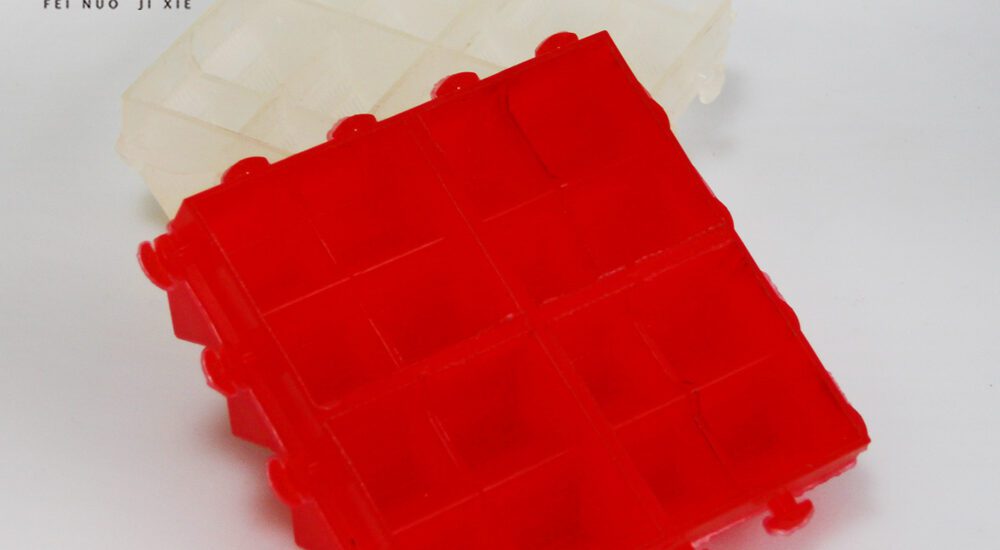
Injection molding mold parts are the backbone of precision manufacturing. They define not only the shape of a plastic component but also the speed, consistency, and cost-effectiveness of production. A well-designed mold part ensures smooth material flow, minimizes waste, and guarantees that every piece meets exact specifications. In contrast, poorly engineered molds can cause frequent downtime, defects, and inefficiencies that affect the entire production line.
In today’s fast-paced manufacturing world, efficiency and reliability are paramount. As industries—from automotive to consumer electronics—rely heavily on plastic components, the importance of expert mold design has never been greater. This article explores professional insights and proven techniques for designing injection molding mold parts that are both efficient and reliable, helping manufacturers achieve superior performance and durability.
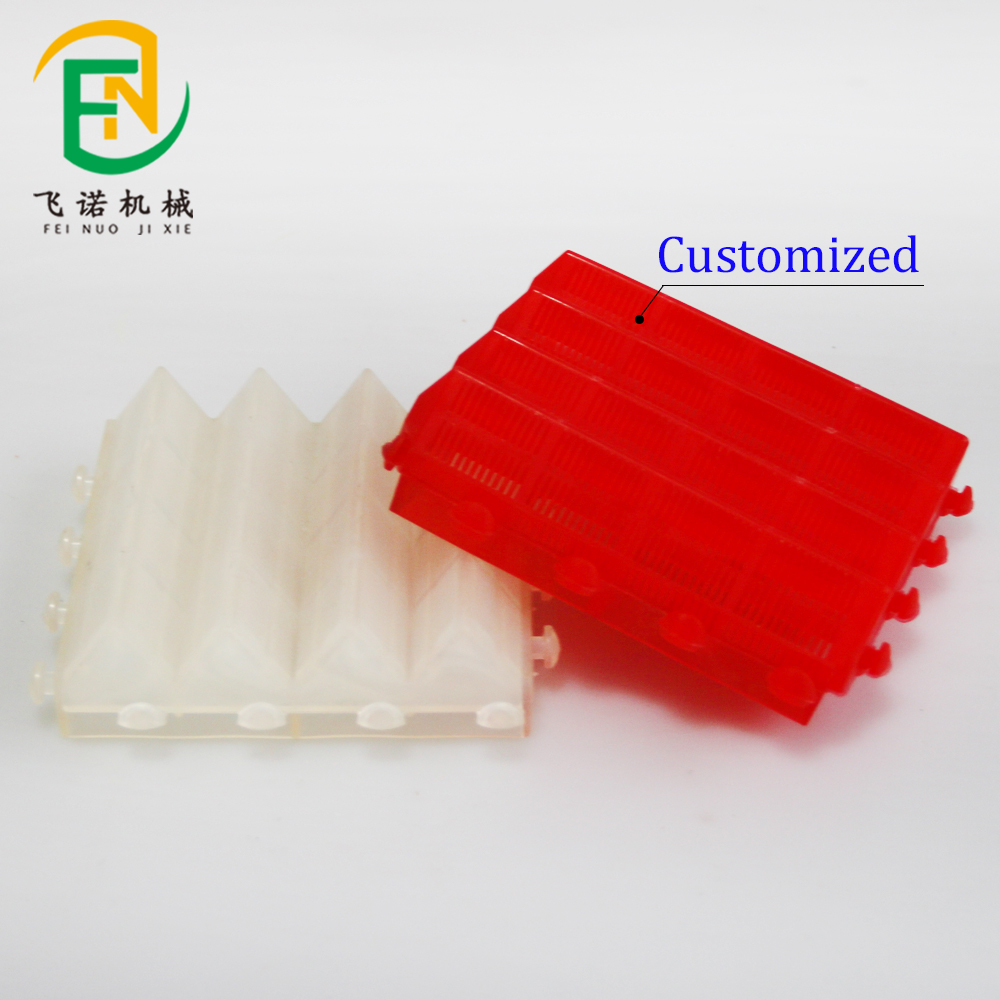
Understanding the Fundamentals of Injection Molding Mold Parts Design
Every successful molding project begins with a solid understanding of how injection molding mold parts function. The goal is to design components that balance precision, performance, and manufacturability. At its core, mold design involves controlling the flow of molten plastic, the cooling rate, and the pressure applied during molding.
The geometry of each part must support smooth plastic flow without air entrapment or turbulence. Key design considerations include draft angles to ensure easy part ejection, uniform wall thickness to prevent warping, and optimized gate positioning for consistent filling. Each small detail—from venting to runner balance—plays a vital role in achieving reliable, repeatable outcomes. Expert designers also consider production volume, material type, and product complexity when finalizing the design.
Material Selection for Long-Lasting Injection Molding Mold Parts
Choosing the right material for injection molding mold parts directly determines the lifespan and efficiency of the tooling. Common materials include tool steels such as P20, H13, and S7, which offer excellent hardness and wear resistance. Aluminum is preferred for prototype molds or short runs due to its light weight and excellent heat conductivity, while beryllium-copper alloys are often used in areas requiring enhanced cooling.
Each material has distinct benefits. For example, H13 steel provides superior resistance to thermal fatigue, making it ideal for high-volume production. Meanwhile, combining different materials within one mold—such as a steel base with beryllium-copper inserts—can optimize both strength and thermal performance. A well-chosen material minimizes downtime, extends mold life, and reduces overall manufacturing costs.
Designing for Efficiency: Reducing Cycle Time and Improving Productivity
Efficiency is the cornerstone of modern injection molding. Shorter cycle times translate directly into higher productivity and lower unit costs. The design of injection molding mold parts plays a crucial role in achieving this.
Efficient designs incorporate advanced cooling systems, including conformal cooling channels that follow the contour of the mold cavity for uniform temperature control. Balanced runner systems ensure even filling, reducing stress and improving part consistency. Proper venting eliminates air traps, while streamlined part ejection mechanisms minimize cycle delays.
By optimizing these design aspects, manufacturers can achieve faster production without compromising on quality, reducing waste and improving throughput across the board.
Ensuring Reliability: Avoiding Common Design Mistakes in Injection Molding Mold Parts
Even experienced engineers can make critical errors when designing injection molding mold parts. Common pitfalls include improper gate placement, which leads to uneven filling and visible flow marks, and insufficient draft angles, causing parts to stick during ejection. Uneven wall thickness often results in warping or sink marks, undermining dimensional accuracy.
To ensure reliability, designers must focus on consistency and predictability. Every feature—from gates to cooling lines—should be optimized through simulation and testing. It’s also vital to account for shrinkage rates, material properties, and thermal expansion to avoid dimensional variation. Reliable mold design ensures not only stable production but also long-term tool integrity.
Optimizing Mold Flow and Cooling for Better Performance
Mold flow and cooling are at the heart of every efficient injection molding system. Proper flow ensures that molten material fills the cavity smoothly, while efficient cooling determines how quickly the mold can cycle.
Flow optimization begins with balanced runner and gate design, allowing material to reach all areas simultaneously. Computational mold flow analysis can predict potential problems such as short shots, weld lines, or air traps before production begins.
Cooling system design is equally crucial. Uniform cooling prevents warpage and shortens cycle times. Techniques such as conformal cooling—created through 3D printing—allow channels to follow complex mold geometries, ensuring consistent temperature control. These innovations significantly enhance both performance and energy efficiency.
Maintenance-Friendly Design: Prolonging the Life of Injection Molding Mold Parts
Designing for maintenance is often overlooked but is essential for long-term reliability. Injection molding mold parts should be easy to disassemble, inspect, and repair without interrupting production for extended periods.
Incorporating modular components allows individual sections to be replaced without rebuilding the entire mold. Corrosion-resistant materials and surface coatings, such as nickel plating or PVD coatings, further enhance durability. Clear access points for cleaning and lubrication simplify regular maintenance routines.
When maintenance is built into the design, manufacturers save significant time and cost over the lifespan of the mold, ensuring consistent quality and uptime.
Leveraging Simulation and CAD Tools for Precision Design
Modern mold design is increasingly driven by digital tools. Simulation and CAD technology enable designers to predict mold performance before the first prototype is built.
Mold flow simulation, for example, visualizes how molten plastic will fill the cavity, identifying potential issues early in the design phase. CAD modeling ensures dimensional accuracy, while digital twin technology allows real-time monitoring and optimization during production.
By leveraging these tools, engineers can refine designs with greater precision, reduce trial-and-error costs, and achieve first-shot success—saving both time and resources.
Sustainability in Injection Molding Mold Parts Design
Sustainability has become an important aspect of industrial design, and injection molding mold parts are no exception. Eco-friendly designs focus on minimizing energy consumption, waste, and environmental impact.
Using recyclable or lightweight materials for molds reduces resource use. Incorporating efficient cooling and heating systems cuts down on energy demand. Furthermore, precision design that reduces scrap rates supports both cost and environmental goals.
By integrating sustainability principles into mold design, manufacturers not only meet regulatory and corporate responsibility standards but also achieve greater long-term efficiency.
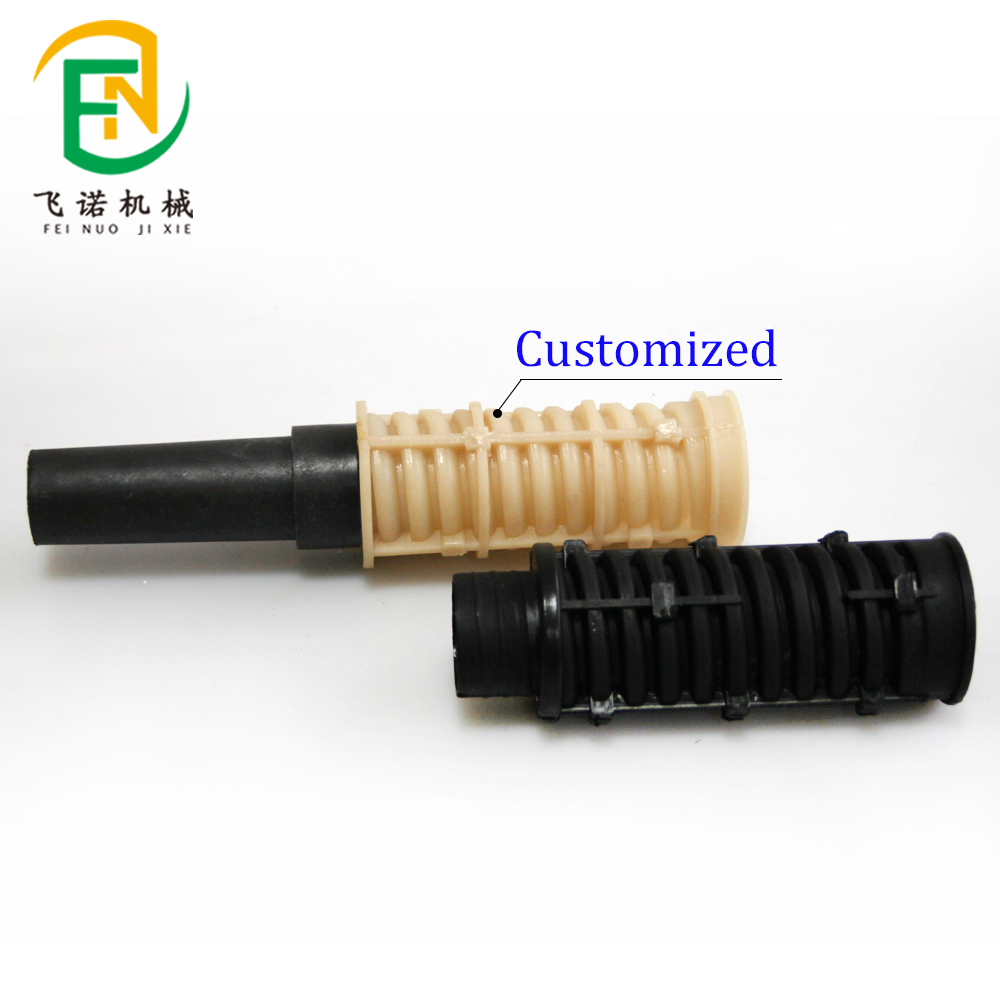
The Future of Smart and Reliable Injection Molding Mold Parts Design
The design of injection molding mold parts has evolved from basic engineering to a sophisticated blend of technology, materials science, and digital innovation. As industries demand faster production, higher precision, and greater sustainability, mold designers must adopt a holistic approach that combines efficiency with reliability.
By mastering material selection, optimizing cooling and flow, leveraging digital tools, and designing for maintenance, engineers can create molds that perform consistently and last longer. The future of injection molding lies in smart, data-driven design—where every element works together to achieve unmatched efficiency, quality, and durability.